Key considerations for businesses hiring shopfitters in Brisbane
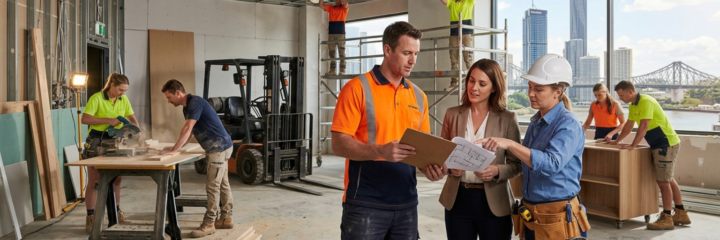
Brisbane's commercial fitout market has grown considerably over the past few years, and so has the range of operators calling themselves shopfitters. That expansion makes the selection process more important than ever. Choosing the wrong team leads to budget overruns, missed deadlines, and compliance problems that take months to untangle. Choosing the right one means engaging a team with proven experience in commercial fitouts Brisbane businesses can count on to deliver on time, on budget, and to the required standard.
The eight questions below give business owners a structured way to assess any shopfitter before committing to a contract. They are not designed to be exhaustive, but to surface the issues that most commonly determine whether a fitout succeeds or becomes a drawn-out problem.
- Do they have direct experience with Brisbane City Council requirements? Local knowledge changes outcomes. Queensland's DA pathways, shopping centre landlord approval processes, and building codes have their own nuances that take time to learn. A shopfitter with extensive Brisbane experience will already be familiar with the documentation requirements that hold up less experienced operators, the council referral processes that add weeks to approvals, and the standard conditions that appear in typical DA consent for commercial tenancies. The Queensland Building and Construction Commission (QBCC) maintains a licence register where you can verify a contractor's credentials before committing to any agreement.
- Who manages the project on site, and what is their background? Ask directly about the project manager assigned to your job. Project managers with trades backgrounds understand site sequencing at a level that those without hands-on experience often do not. When multiple trades need to be carefully coordinated to avoid rework, that background matters considerably. For a sense of how trades coordination shapes delivery across a full commercial fitout, this commercial fitout checklist is worth reviewing before your initial meetings with any prospective shopfitter.
- Can they provide a fixed-price contract? The gap between a quoted price and a final invoice is one of the most common sources of conflict in fitout projects. Understand what is fixed and what is subject to variation before you sign anything. PC (prime cost) items and provisional sums are legitimate budget tools, but they should be clearly identified and estimated conservatively, not used to keep the headline figure artificially low while leaving significant exposure in the detail. Ask to see a breakdown that identifies each variable item and its basis for estimation.
- What does their construction programme look like, and how detailed is it? Ask for a programme that breaks down each phase: design, approvals, procurement, manufacture, and on-site construction. Check whether lead times for custom joinery and materials are factored in. A realistic programme reflects an experienced team that has delivered comparable projects before. The Australian Institute of Architects provides guidance on what a thorough design and documentation phase involves, which gives useful context when evaluating the realism of what your shopfitter is proposing. A programme that shows every phase completed within an implausibly short timeframe is a warning sign, not a selling point.
- Are their licences and insurance current? In Queensland, anyone performing structural, electrical, or plumbing work as part of a fitout must hold the appropriate contractor's licence under the QBCC framework. Ask for a copy of the relevant licences before work begins. Public liability insurance and contract works insurance certificates should also be current, adequate in coverage, and provided as a condition of engagement. Checking these documents takes minutes and protects your business considerably if something goes wrong on site. For context on what fitout costs include and what drives price variation, the 2026 price guide covers the key variables across different fitout types.
- Can they demonstrate design and value engineering capability? A capable fitout team should be able to work from your brief, propose alternatives where the design exceeds budget, and use material and construction knowledge to find solutions that deliver the right outcome at the right cost. That capability separates an experienced team from one that simply builds what it is told and raises variations whenever the scope goes beyond a narrow interpretation of the brief. Reviewing common mistakes to avoid during a retail fitout helps frame the right questions to ask about how your prospective shopfitter handles the design process and manages scope discussions before construction begins.
- Do they have references from comparable projects? Ask for clients whose projects were similar in size, sector, or tenancy type to yours. A portfolio shows finish quality, while references reveal how the business operates under pressure. Ask specifically about how unforeseen issues were handled once work was underway, how variations were communicated and agreed, and whether the project manager was accessible and responsive throughout the job. A shopfitter with nothing to hide will be comfortable making their past clients available for a brief conversation before you commit.
- What does their post-handover support look like? Understanding the defects liability period, what it covers, how warranty claims are managed, and how quickly rectification work is scheduled, is as important as understanding the construction phase itself. Defects found in the first months of trading are common in any fitout. The quality of the shopfitter's response to those defects is a reliable indicator of how they value long-term client relationships. Master Builders Australia publishes guidance on what to expect from a licensed contractor during the defects liability period, which is useful reading before you finalise any fitout contract.
Why the selection process matters more than price
Many businesses begin their search for shopfitters in Brisbane by comparing quotes. Price is a relevant factor, but it is a poor primary filter. A low quote that results in a fitout delivered six weeks late, with compliance issues outstanding and finishes below the standard specified, is more expensive than a higher quote from a team that delivers what was agreed. The cost of disrupted trading, the cost of rectification work, and the reputational impact of opening in a space that does not meet expectations can all accumulate quickly.
The questions above are designed to shift the evaluation framework from price to demonstrated capability. A team that answers them clearly, with reference to specific past projects and verifiable credentials, is showing competence and transparency at the same time. A team that deflects, generalises, or cannot name comparable commercial fitouts for Brisbane businesses they have delivered should be considered carefully before any commitment is made.
One practical approach is to submit the same written brief to three or four prospective shopfitters and compare not just the quoted price but the quality of the response. How a shopfitter interprets a brief, what clarifying questions they ask, and how they structure their programme and cost breakdown all reveal how they will behave once the job is underway. The evaluation process itself is a reliable preview of the working relationship.
Making the right choice
Selecting shopfitters in Brisbane is a business decision as much as a construction one. The businesses that get the best outcomes ask thorough questions early, verify what they are told, and engage a team with a documented track record. Focus Shopfit has been managing commercial and retail fitout projects across Australia since 1984. The team's structure is built around accountability at every stage, from initial design brief through to post-handover maintenance, with a single point of contact throughout.
To start a conversation about your Brisbane fitout, contact the Focus Shopfit team and get a clear picture of what your project involves before any commitments are made.

How professional shopfitting can transform your Brisbane Halloween theme
Halloween in Australia isn’t limited to children dressing up for trick or treat; it’s also an event where Brisbane businesses are scrambling to capture a piece of the spooky action. Simply hanging a few cheap cobwebs and a 'spooktacular' sign won't cut it anymore. To truly stand out in the competitive local market and turn passersby into paying customers, a professional approach to your seasonal display is essential. This is where expert Brisbane shop design comes in, transforming your store from everyday business to a compelling, themed retail experience.
The secret to a successful seasonal theme lies in the immersive environment you create, not just decorations. A professional shopfitter like Focus Shopfit understands that every element of your space contributes to the customer journey, and they apply this knowledge to your Halloween efforts, ensuring maximum impact in the short lead-up to the 31st of October.
The power of themed zones and traffic flow
One of the biggest advantages of working with a shopfitting professional is their expertise in layout and visual merchandising. For a temporary theme like Halloween, you need maximum impact with minimal disruption to your regular business. A fitter can design modular, temporary display solutions that are easily assembled and dismantled, yet look high-quality and structurally sound.
Imagine a specialty food store in Brisbane. Instead of scattering pumpkin spice items randomly, a shopfitter can create a dedicated “Witches' Brew” zone. They would use temporary, themed shelving or custom cardboard displays—a cost-effective and highly customisable option—to group related products: baking mixes, lollies, punch ingredients, and novelty serving ware. This strategic grouping increases the likelihood of impulse buys and cross-sales, as customers don't have to hunt for what they need.
Focus Shopfit can map out a “spooky path” through your store, ensuring the themed displays draw customers past your core products. This optimised traffic flow is crucial for maximising the profitability of your seasonal investment, turning browsing into buying.
Creating an immersive, brand-consistent environment
For the best results, your Halloween theme needs to feel immersive, not tacky. A professional shop design team will integrate the spooky elements seamlessly with your existing brand identity. This means choosing colour palettes, lighting, and materials that elevate the theme while still feeling like your store.
In Brisbane’s warmer climate, for example, a focus on ‘spooky but sophisticated’ might work better than a heavy, snow-themed approach. A shopfitter might recommend specific LED lighting installations to cast dramatic shadows and create atmosphere without a full-scale renovation. They can also design striking window displays that comply with local council regulations on size and placement, ensuring your external presence is both compliant and captivating.
A dedicated shopfitter provides essential project management skills combined with labour. This is invaluable for a temporary fit-out where time is money. They source materials, manage the installation, and ensure a swift, safe, and efficient transition from everyday shop to haunted haven, and back again, ready for the next seasonal push.
Driving engagement and word of mouth
In the age of social media, a professional fit-out should include elements designed for customer engagement. Think custom-built photo opportunity backdrops—perhaps an oversized coffin or a menacing but charming spider web arch—that encourages shoppers to snap a photo and share it online, tagging your Brisbane business. This viral marketing is a cost-effective way to boost foot traffic.
Ultimately, investing in professional shopfitting like Focus Shopfit for your Halloween theme elevates your shop from a retailer with a few decorations to a genuine retail experience. It’s about creating a memorable customer journey that drives increased sales, generates social media buzz, and strengthens your brand’s reputation as a business that commits to quality. Don’t get spooked by the competition! Partner with a local expert to deliver a truly memorable and profitable fright night.
Shopfitting Brisbane: How much do shop fittings cost?
Shopfitting plays a crucial role in the success of any retail business. It involves designing, building, and fitting out retail spaces to create an appealing and functional environment for customers. In Brisbane, a thriving city known for its vibrant retail scene, shopfitting is even more important. This article will delve into the world of shopfitting Brisbane, exploring the costs involved, the factors that influence those costs, and how to choose the right shopfitting company.

Importance of shopfitting in Brisbane
Shopfitting is more than just making a store look pretty. It is about creating an immersive experience for customers, enticing them to stay longer, engage with the products, and ultimately make a purchase. In a city like Brisbane, where competition among retailers is fierce, a well-designed and thoughtfully executed shopfitting can make all the difference.
A well-designed shopfitting not only enhances the aesthetic appeal of a store but also improves its functionality. It ensures that the layout is optimized for efficient customer flow, making it easier for shoppers to navigate through the space. This can result in increased sales and customer satisfaction.
Factors influencing shopfitting costs
The cost of shopfitting in Brisbane can vary greatly depending on various factors. One of the most significant factors is the size of the retail space. Larger spaces require more materials, labor, and time to complete, which can drive up the cost.
The complexity of the design also plays a role. Intricate designs or unique architectural features may require specialized skills and craftsmanship, which can increase the cost. Additionally, the type of materials used, such as high-quality fixtures and finishes, will also impact the overall cost.
Another factor to consider is the level of customization required. Custom-made fixtures and fittings will generally cost more than off-the-shelf options. This is because they require additional time and effort to design and manufacture.
Understanding the different types of shopfitting in Brisbane
Shopfitting encompasses various aspects, from the layout and design to the installation of fixtures and fittings. Understanding the different types of shopfitting will help you determine which elements are necessary for your store and how they contribute to the overall cost.
- Layout and design: This involves planning the layout of the store, including the placement of aisles, shelves, and checkout counters. The design aspect focuses on creating an aesthetically pleasing and functional space that aligns with the brand image.
- Fixtures and fittings: These are the physical elements that make up the store, such as shelving, display units, counters, and signage. Choosing high-quality fixtures and fittings is essential for durability and visual impact.
- Lighting and electrical: Proper lighting is crucial for showcasing products and creating the right ambiance. Electrical work includes installing power outlets, lighting fixtures, and any additional electrical requirements.
- Joinery and carpentry: This involves custom-made furniture, cabinets, and storage solutions. Joinery and carpentry play a significant role in creating a unique and personalized shopping experience.

Average costs of shopfitting in Brisbane
It is challenging to provide an exact figure for the cost of shopfitting in Brisbane, as every project is unique. However, it is helpful to have a rough estimate to plan your budget.
The cost per square meter can vary depending on the factors mentioned earlier, such as the complexity of the design, level of customization, and quality of materials. It is recommended to consult with a professional shopfitting company to get an accurate estimate based on your specific requirements.
Tips for reducing shopfitting costs
Shopfitting costs can add up quickly, but there are ways to reduce expenses without compromising on quality. Here are some tips to help you keep costs in check:
- Plan and budget: Start by creating a detailed plan and budget for your shopfitting project. Consider which elements are essential and prioritize them accordingly. This will help you avoid overspending on unnecessary features.
- Research and compare: Take the time to research different shopfitting companies in Brisbane and compare their prices and services. Look for experienced professionals who can offer competitive pricing without compromising on quality.
- Consider modular fixtures: Modular fixtures and fittings are pre-made components that can be easily assembled and disassembled. They offer flexibility and cost savings as they can be reused or reconfigured if needed.
- Opt for durable materials: While it may be tempting to choose cheaper materials, investing in durable options can save you money in the long run. Quality materials will require less maintenance and replacement, reducing overall costs over time.
Choosing the right shopfitting company in Brisbane
Selecting the right shopfitting company is crucial to ensure a successful project. Here are some factors to consider when choosing a shopfitting company in Brisbane:
- Experience and expertise: Look for a company with a proven track record in shopfitting. Check their portfolio and client testimonials to assess their capabilities and quality of work.
- Collaboration and communication: Effective communication and collaboration are vital for a smooth shopfitting process. Choose a company that values your input and keeps you informed throughout the project.
- Compliance with regulations: Shopfitting projects must comply with various regulations and building codes. Ensure that the shopfitting company is knowledgeable about these requirements and can handle the necessary paperwork.
- Cost and timeline: Obtain detailed quotes from different companies and compare them based on the scope of work, materials, and timeline. While cost is important, consider the overall value and quality of service offered.
Shopfitting trends in Brisbane
In Brisbane, shopfitting trends are constantly evolving to meet the changing needs and preferences of consumers. Here are some current trends in shopfitting that are gaining popularity in Brisbane:
- Sustainable design: Sustainable shopfitting is becoming increasingly important as consumers are more conscious of their environmental impact. Incorporating eco-friendly materials and energy-efficient lighting can attract environmentally conscious customers.
- Biophilic design: Biophilic design aims to bring nature indoors, creating a calming and rejuvenating environment. Incorporating elements such as living walls, natural textures, and abundant greenery can enhance the shopping experience.
- Technology integration: Integrating technology into shopfitting can enhance customer engagement and streamline operations. This includes interactive displays, digital signage, and contactless payment options.

Is shopfitting worth the cost in Brisbane?
Shopfitting is a worthwhile investment for retailers in Brisbane. It not only enhances the aesthetic appeal of a store but also improves functionality, customer experience, and ultimately sales. While the cost of shopfitting can vary depending on various factors, careful planning, research, and collaboration with a reputable shopfitting company can help you achieve your desired results within your budget. Embracing the latest shopfitting trends can also give your store a competitive edge in the vibrant retail scene of Brisbane.