
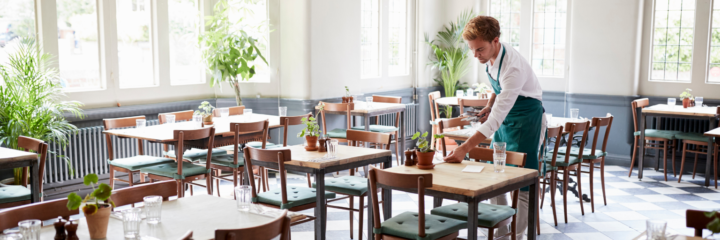
A guide to successful restaurant fitouts in Melbourne
Melbourne's hospitality sector is one of the most competitive and design-conscious dining markets in Australia. Restaurant fitouts Melbourne operators commission need to achieve three things simultaneously: function as a compliant commercial kitchen capable of sustained high-volume service, create an atmosphere that customers return to, and hold up under the physical demands of daily trading across a five-to-ten-year tenancy. That is a more complex brief than it first appears, and most of the costly mistakes made in restaurant fitouts come from underestimating the weight of any one of those three requirements.
This guide covers what hospitality businesses should address when planning a restaurant or cafe fitout in Melbourne, from initial brief questions through to compliance, kitchen layout, front-of-house design, and the pre-opening checklist. For context on fitout investment, cost structure, and what affects the final price, the 2026 price guide for shop fitouts in Australia is a useful starting reference before engaging any contractor.
Starting with the right brief questions
A restaurant fitout brief needs to answer several specific operational questions before a drawing is produced. These questions shape every design decision that follows, and ambiguity at the brief stage is the most common reason fitouts require expensive variations during construction.
- What is the expected cover count at peak service, and what table configuration achieves it within the available floor plate while meeting egress requirements?
- Is the service model table service, counter service, or a combination, and how does that affect the relationship between the kitchen pass, service stations, and front-of-house circulation?
- What is the kitchen's maximum output in covers per service, and are the ventilation, gas, and electrical load provisions of the tenancy adequate for that volume?
- What ambience is the venue aiming for, and how do colour, materials, lighting, and acoustic treatment combine to create it? The psychology of colour in retail is a useful reference for understanding how colour choices affect customer behaviour and atmosphere in commercial hospitality environments.
- What is the anticipated trading life of the fitout, and which materials and finishes are specified to maintain their appearance under Melbourne's hospitality conditions across that period?
- What approvals does the project require, and what are the realistic timeframes for each? In Melbourne, planning permits, building permits, and food premises registration all have their own pathways and timeframes.
Commercial kitchen compliance in Victoria
The back-of-house is where compliance risk is highest in restaurant fitouts in Melbourne. The commercial kitchen must meet the requirements of Food Standards Australia New Zealand (FSANZ), the Food Act 1984 (Vic), and the standards enforced by the relevant council's environmental health officers. Failure to meet these requirements results in a failed food premises inspection, which prevents the venue from trading and requires rectification work before reinspection. Key compliance requirements for a Melbourne commercial kitchen include:
- Surface materials across walls, ceilings, and floors that are smooth, impervious, and cleanable to the standard required for food preparation areas under Australian Food Standards
- Separate handwashing facilities for kitchen staff at the kitchen entry, accessible without crossing food preparation areas, with warm running water and soap dispensing
- Refrigerated and dry storage with correct temperature control capabilities and physical separation of raw and ready-to-eat food items at every stage of the production flow
- Exhaust canopy specifications matched precisely to the cooking equipment load, with adequate make-up air supply to prevent negative pressure in the kitchen during service
- Grease trap sizing and installation location compliant with the relevant council's trade waste requirements, including accessible cleanout provisions
- Adequate lighting at all food preparation, storage, and cleaning areas to meet the minimum lux levels specified under food safety standards
Kitchen equipment selection and placement should be agreed with the chef before the fitout drawings are finalised, not after. The equipment layout determines the entire production flow, and changes to equipment placement after construction has begun are among the most expensive variations in hospitality fitout work.
Front of house: What creates atmosphere and drives return visits
In Melbourne's hospitality market, front-of-house design is examined by customers with high expectations and broad points of comparison. Three elements carry the most weight in determining whether a dining environment succeeds commercially.
Lighting
Warm, layered lighting distinguishes a memorable restaurant from a functional one. Task lighting for tables, ambient lighting for the room, and accent lighting for design features work together to create the atmosphere that converts a first visit into a regular. Tunable lighting systems that shift colour temperature across service periods, from bright daylight during lunch to warmer tones at dinner, are worth specifying. The complete guide to retail lighting solutions in Australia covers the specification principles that apply directly to hospitality design environments.
Acoustics
Hard surfaces, including polished concrete floors, exposed brick walls, and tiled finishes, are common in Melbourne's hospitality aesthetic but create challenging noise levels at full service capacity. The Acoustical Society of America has published research on how background noise levels in hospitality environments directly affect customer dwell time, conversation comfort, and satisfaction scores. Effective acoustic treatment in a restaurant fitout integrates architecturally, through ceiling baffles, upholstered booth seating, timber acoustic panels, and soft furnishings placed at intervals across the floor, rather than as an afterthought once the hard surfaces are already in place.
Joinery and material durability
Bar counters, host stations, booth seating, and display shelving all need to balance visual appeal with genuine durability under commercial trading conditions. Materials that photograph well but show wear within six months of opening undermine the venue's positioning in a market where customers share images and write detailed reviews. The specification standard should account for both the opening-day aesthetic and the two or three-year trading reality, because in Melbourne's hospitality market, a fitout that ages poorly is noticed.
Council approvals and permits in Melbourne
Restaurant fitouts in Melbourne almost always require both a planning permit and a building permit, particularly where a change of use is involved, structural alterations are proposed, or an alfresco dining area is being added. The permit process may also involve referral to Heritage Victoria where heritage overlays apply to the building or precinct. For a detailed comparison of how approval processes differ between Sydney and Melbourne, this guide to navigating council approvals covers the key differences. Starting the permit process early in the design phase, before construction documentation is complete, prevents weeks of unnecessary delay at the critical path.
Pre-opening checklist
Before trading begins, confirm all of the following are in order and documented:
- Food premises registration has been submitted to the relevant council environmental health team and a registration number has been received.
- Council inspection of the kitchen has been scheduled and passed, including compliance with FSANZ requirements and the Food Act 1984 (Vic).
- Electrical, plumbing, and gas certificates of compliance have been obtained from all licensed trades and filed with the lease documentation.
- Exhaust canopy performance has been tested under full cooking load and make-up air has been confirmed as adequate before service begins.
- An accessibility review confirms DDA-compliant entry, accessible amenities, and appropriate signage throughout, in line with Australian Human Rights Commission requirements for public premises.
- All outstanding defects from the practical completion inspection have been rectified and signed off before the first service.
Focus Shopfit brings experience across retail and hospitality commercial fitouts Melbourne to every project. To talk through your restaurant or cafe fitout with a team that understands both the compliance requirements and the design ambitions of the Melbourne market, get in touch here and start the conversation.


Navigating council approvals for your fitout in Sydney vs. Melbourne
Approvals can influence your opening date as much as design and construction. For many retailers, the main challenge is not the build itself. It is knowing what paperwork is required, what triggers an approval, and how timelines differ between councils.
For teams planning shop fitouts Sydney, or managing multi-site retail fitouts Melbourne, confirming the approvals pathway early helps reduce redesign work and protects your programme.
This guide compares common approval steps in Sydney and Melbourne, so your fitout stays compliant and your timeline stays realistic. It is general guidance only, and your exact requirements depend on tenancy conditions, scope, and location.

What approvals usually apply to a retail fitout
Most fitouts sit within two approval areas. Planning relates to land use and planning controls. Building relates to construction compliance and safety. In many cases, councils review changes like signage, facade adjustments, and changes to use, while building surveyors assess construction requirements such as accessibility, fire safety, and structural works.
To sense-check what your build scope may include, this shopfitting inclusions guide provides a helpful overview before you start gathering drawings and certificates.
- Sydney fitouts: When a development application is more likely
In Sydney, a development application (DA) is commonly required when fitout works involve planning triggers such as external changes, signage, heritage constraints, or a change in how the premises is used. Some projects may be eligible for faster pathways such as a complying development certificate (CDC), depending on location and scope, but it still relies on clear documentation prepared up front.
For City of Sydney locations, the official document checklist for development applications is a strong starting point when planning works in the CBD and surrounding areas. Even when planning approval is not triggered, building sign-off may still apply depending on construction work, services changes, and fire safety scope.
- Melbourne fitouts: Planning permits and building permits
In Melbourne, the approvals pathway often depends on zoning, change of use, and whether construction work requires a building permit. Some retail works proceed without planning approval, while others require a planning permit before construction can begin.
The City of Melbourne outlines local building guidelines and regulatory considerations, which can help you identify expectations and responsibilities during a fitout.
For broader Victorian permit context, the Victorian Building Authority explains when planning and building permits may be required, including common triggers and permit responsibilities.
Key differences between Sydney and Melbourne approval workflows
While both cities require clear documentation, the workflow can feel different. Sydney fitouts often emphasise the DA pathway when planning controls are triggered, while Melbourne fitouts frequently involve planning permit checks plus building permit steps, depending on the site and scope.
For multi-site retailers, the best approach is to build an approvals checklist into your programme and confirm responsibilities early between landlord, tenant, fitout team, and consultants.
This commercial fitout planning checklist can help you track the steps that usually sit alongside drawings, permits, and procurement decisions.
Documents that reduce back and forth
Approvals move faster when documentation is consistent and complete. Depending on your works, councils and certifiers may request combinations of the following.
- Existing and proposed floor plans showing room use, seating, and circulation
- Reflected ceiling plans showing lighting, services, and equipment locations
- Signage details and external elevation drawings if anything changes externally
- Accessibility layouts including widths, turning circles, and amenities where relevant
- Fire safety scope and any upgrades required for compliance
- Materials and finishes schedules for areas that affect safety or performance
A practical way to avoid late-stage changes is to align documentation with build sequencing early. It also helps you estimate realistic timeframes for trades, specialist installs, and long-lead items.
If you are working to a fixed opening date, this retail fitout timeline guide is a useful benchmark when setting deadlines around approvals and ordering.
How to keep fitout timelines realistic
Approvals are rarely the only timing factor. Lead times, centre access restrictions, and service upgrades can all affect delivery. The safest approach is to set key decision deadlines and keep your drawings moving steadily through review.
For Sydney sites, early council checks are a practical way to protect the programme for shop fitouts Sydney businesses want ready for key trade periods.
For Victoria sites, early assessment of works helps you avoid delays in building permit steps for retail fitouts Melbourne, especially where fire safety, services, or structural changes are involved.
Where Focus Shopfit can support your approvals pathway
Approvals are easier to manage when the fitout process is coordinated end to end. Focus Shopfit supports delivery with structured project coordination that connects documentation to construction, keeping your programme clear as the build progresses.
If you are comparing build stages by location, these guides can help with expectations across markets, including shopfitting phases used in Melbourne projects and the factors often considered in Sydney retail display planning.

With planning checks and documentation handled early, both Sydney and Melbourne fitouts can move smoothly from design to build. The key is to treat council approvals as part of the fitout timeline, not a separate step that happens later.
If you are preparing shop fitouts Sydney or managing retail fitouts Melbourne, Focus Shopfit can help you plan a compliant pathway that supports your target opening date. Reach out via the contact page to discuss your tenancy, scope, and schedule.
Shopfitters in Melbourne: Tips for Successful Shop Fitouts and Renovations
A shop fitout or renovation refers to the process of redesigning or reorganizing a retail store's interior to improve its functionality and aesthetics. Shop fitouts and renovations and working with experienced shopfitters in Melbourne are crucial for businesses that desire to attract and retain customers in a competitive market. A well-designed store layout not only enhances the shopping experience for customers but also increases sales and profits for the business.

Table of Contents:
Shopfitters in Melbourne 101: Why Shop Fitouts and Renovations are Important
Shopfitters in Melbourne - Who are They and What Do They Do?
Shopfitting Melbourne - Types of Shop Fitouts and Renovations
Choosing the Right Shopfitters in Melbourne for your Project
Shopfit Melbourne - Factors to Consider before Starting a Project
Shopfitters Melbourne - Tips for Successful Shop Fitouts and Renovations
Shopfitting Services in Melbourne - What to Expect
Shopfitting Melbourne - Project Timeline
Shop Fitouts and Renovations - Common Mistakes to Avoid
Achieving your Dream Shop Fitout or Renovation with Shopfitters in Melbourne
Shopfitters in Melbourne 101: Why Shop Fitouts and Renovations are Important

Shop fitouts and renovations are essential for businesses that want to remain relevant in a dynamic market. A well-designed store layout enhances the customer experience and increases sales, while a poorly designed layout can drive customers away and lead to a decline in sales. Shop fitouts and renovations also allow businesses to keep up with changing trends and customer preferences, which is crucial for staying ahead of the competition.
Shopfitters in Melbourne - Who are They and What Do They Do?
Shopfitters are professionals who specialize in designing, building, and installing retail store fixtures and fittings. Shopfitters in Melbourne work with businesses of all sizes to create custom-made solutions that meet their specific needs. They are skilled in various trades, including carpentry, electrical, plumbing, and painting, and can handle every aspect of a shop fitout or renovation project.
Types of Shop Fitouts and Renovations
There are several types of shop fitouts and renovations that businesses can consider, depending on their specific needs and budget. Fitouts can be classified as:
- Basic Fitout - This type of fitout involves installing essential fixtures and fittings, such as shelving, lighting, and signage.
- Standard Fitout - This type of fitout involves more extensive work, such as installing custom-made fixtures, flooring, and ceiling finishes.
- Premium Fitout - This type of fitout involves a complete overhaul of the store's interior, including custom-made fixtures, high-end finishes, and advanced technology.
Choosing the Right Shopfitters in Melbourne for your Project
Choosing the right shopfitters in Melbourne is crucial for the success of your shop fitout or renovation project. Consider the following factors when selecting a shopfitter:
- Experience - Choose a shopfitter with significant experience in the industry and a proven track record of delivering high-quality work.
- Reputation - Look for shopfitters with a reputation for reliability, professionalism, and customer satisfaction.
- Portfolio - Check the shopfitter's portfolio to see examples of their previous work and ensure they align with your vision.
- Cost - Compare quotes from different shopfitters to ensure you are getting a fair price for the work.
Shopfit in Melbourne - Factors to Consider before Starting a Project
Before starting a shop fitout or renovation project, businesses should consider the following factors:
- Budget - Determine how much you are willing to spend on the project and ensure it aligns with your expected return on investment.
- Timeline - Set a realistic timeline for the project, taking into account any potential delays or unforeseen circumstances.
- Design - Work with your shopfitter to develop a design that aligns with your brand image and meets your functional requirements.
- Permits and Regulations - Ensure you have all the necessary permits and comply with any regulations related to the project.

Tips for Successful Shop Fitouts and Renovations from Expert Shopfitters Melbourne
Consider the following tips to ensure a successful shop fitout or renovation project:
- Plan Ahead - Develop a detailed plan for the project, including timelines, budgets, and design requirements.
- Communication - Maintain open communication with your shopfitter throughout the project to ensure everyone is on the same page.
- Quality Control - Conduct regular quality control checks to ensure the work is meeting your expectations and standards.
- Flexibility - Be willing to make adjustments to the project as needed to ensure its success.
Shopfitting Services in Melbourne: What to Expect
When working with shopfitters in Melbourne, businesses can expect the following services:
- Design Consultation - Work with the shopfitter to develop a design that meets your specific needs and preferences.
- Project Management - The shopfitter will manage every aspect of the project, from planning to installation.
- Customized Solutions - Shopfitters in Melbourne can create custom-made fixtures and fittings that align with your brand image and functional requirements.
- Installation and Maintenance - The shopfitter will handle the installation of all fixtures and fittings and provide ongoing maintenance services as needed.
Shopfitting Melbourne - Project Timeline
The timeline for a shop fitout or renovation project in Melbourne can vary depending on several factors, including the size of the store, the complexity of the project, and any unforeseen delays. Businesses should expect a typical shop fitout or renovation project to take anywhere from six to twelve weeks to complete, depending on the scope of the work.
Shop Fitouts and Renovations - Common Mistakes to Avoid
Avoid the following common mistakes when undertaking a shop fitout or renovation project:
- Inadequate Planning - Failure to plan adequately can lead to delays, cost overruns, and poor quality work. Set a timeline and a budget.
- Poor Communication - Lack of communication between the business and the shopfitter can lead to misunderstandings and delays.
- Ignoring Regulations - Failure to comply with local regulations can result in fines and delays in the project.
- Rushing the Project - Rushing the project can lead to poor quality work and a subpar finished product.
- Not Checking References and Portfolios – Checking references and portfolios can help determine the experience and expertise of the shopfitters you will be working with
By avoiding these common mistakes, businesses can find and work with shopfitters in Melbourne who can deliver quality work within the allocated budget and time. It is important to research and plan before hiring, check references and portfolios, establish clear communication and expectations, set a budget and timeline, consider experience and expertise in specific industries, and choose the best fit for your needs. By following these tips, businesses can ensure that their shop fitouts and renovations are successful and contribute to the growth of their business.
Achieving your Dream Shop Fitout or Renovation with Shopfitters in Melbourne
A well-designed shop fitout or renovation is essential for businesses that want to attract and retain customers in a competitive market. By working with experienced and professional shopfitters in Melbourne, businesses can achieve their dream shop fitout or renovation project that meets their specific needs and budget. Consider the tips and factors outlined in this guide to ensure a successful and stress-free project.

Shopfitters in Melbourne
Get a Free Consultation
Planning shop layout and design in Australia? Focus Shopfit can help.
Focus has been managing and executing commercial and retail shopfitting projects for decades.
We are confident that with our experience and expertise, we can help you bring your plan to the best possible outcome, saving you time and cost.
To learn more about fitting out a new shop, visit our services page or contact us today!