
What the market and regulations actually look like for Adelaide shopfitting in 2026
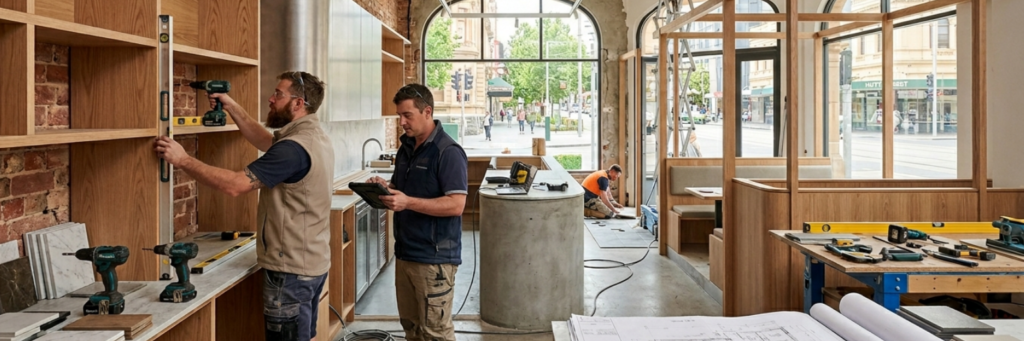
Adelaide's commercial fitout market has shifted over the past 18 months. Vacancy rates across the CBD and key suburban strips have tightened, new food and beverage operators are filling spaces that sat idle through 2023 and 2024, and major retail landlords are investing in precinct upgrades that are drawing fresh tenancy activity.
For business owners planning shopfitting for Adelaide projects in 2026, the regulatory environment here differs from other Australian states in specific ways that affect both timeline and budget planning.

Phase 1: Reading the Adelaide market in 2026
Population growth in outer metropolitan corridors, including Mount Barker, Gawler, and Barossa access points, is generating demand for new retail and service businesses. The CBD fringe, particularly around the East End, Hutt Street, and the Bowden urban renewal precinct, is attracting both local independents and national operators seeking more affordable tenancy rates than Sydney or Melbourne.
Medical and allied health fitouts are performing strongly, sustained by Adelaide's demographic profile. Pharmacy operators expanding into South Australia need to confirm state-specific compliance obligations alongside the national Pharmacy Board of Australia standards before the design is finalised, as SA has its own premises requirements that differ from other states.
Hospitality fitouts have generated the most active enquiry across Adelaide in 2026. Neighbourhood precincts in Norwood, Glenelg, and Unley are recording strong new-business activity. Operators need fitouts that balance tight budgets against durable commercial interiors that hold up across a five-to-seven-year tenancy.
Phase 2: Navigating SA regulations and approvals
South Australia's Planning and Design Code replaced the previous system of individual development plans in 2021, and understanding how it applies to your tenancy type is essential before committing to a site or a construction timeline in Adelaide.
Under the Planning and Design Code, most standard commercial tenancy fitouts that are internal-only and do not alter the building envelope qualify as accepted development, meaning no DA is required. Works that change the use of the premises, affect the facade, or require building rule consent may trigger a formal approval pathway. For any fitout in a heritage-listed precinct, and Adelaide's CBD has a significant concentration of heritage buildings, additional consultation with Heritage SA is required before works affecting heritage fabric are approved.
South Australia's construction licensing framework, governed by the Building Work Contractors Act 1995, requires that any commercial fitout involving structural works, electrical, plumbing, or fire systems must be completed by contractors holding the appropriate licence. Licences are issued by Consumer and Business Services (CBS) SA, and checking a contractor's licence status before engagement is straightforward through the CBS register.
Accessibility requirements under the Disability Discrimination Act 1992 (DDA) must also be confirmed for the specific building class and occupancy type. The Australian Human Rights Commission sets out what DDA compliance requires for premises open to the public, and these requirements are not automatically satisfied by meeting Planning and Design Code conditions.
Phase 3: Selecting the right shopfitters Adelaide
When briefing Adelaide shopfitters, being specific about the regulatory pathway from the first meeting saves considerable time. An experienced contractor will identify whether your project requires DA approval, building rule consent, or fire authority notification and build that into the programme. Contractors who do not flag these requirements early generate delays and cost surprises once construction is underway.
Adelaide's older building stock, which includes a significant volume of 1960s and 1970s commercial buildings in the outer suburbs, warrants a services condition survey before scope is finalised. Electrical boards, plumbing configurations, and ceiling services may require upgrading. Addressing this in the brief is far cheaper than addressing it through variations.
For multi-site operators needing consistent delivery across states, Focus Shopfit's national approach to project management covers how accountability is maintained across concurrent projects in different cities.
Phase 4: The fitout delivery process
Focus Shopfit's three-phase model, covering Plan, Execute, and Maintain, resolves SA-specific regulatory requirements during the planning phase, before a single trade is engaged. Building rule consent applications, accessibility audits, and heritage consultations are managed here rather than discovered mid-construction.
For projects in Rundle Mall tenancies or within the Adelaide Central Market Arcade, additional landlord fitout guidelines prescribe base building interface standards, approved materials, and shopfront requirements. Obtaining these documents from the landlord and reviewing them before the design is finalised prevents rework at the documentation stage.
Understanding what a fitout process involves end-to-end before committing to a timeline is worth doing early. A realistic breakdown of each phase and how long each takes helps frame what is achievable between lease execution and opening day.
Phase 5: Budget benchmarks for a 2026 Adelaide fitout
Fitout costs in Adelaide sit broadly in line with national market rates, though builder margins and subcontractor pricing vary depending on trade availability. The market here is smaller than Sydney or Melbourne, and heavily concurrent pipelines in hospitality can affect joinery and specialist trade lead times.
For medical or dental fitouts, compliance costs associated with hygiene-grade finishes, plumbing infrastructure, and specialist gas services push costs above standard retail rates. National pricing benchmarks across fitout categories give a useful reference point, with Adelaide generally sitting in the mid-range of Australian capital city pricing.
Landlord incentives in Adelaide are generally less generous than in Sydney or Melbourne, reflecting lower prevailing rents. Business owners should build the full fitout budget independently of any contribution offered and treat any landlord incentive as a partial offset.

Focus Shopfit has been delivering fitouts across South Australia since 1984. To talk through your project with a team that understands the SA regulatory environment from site through to handover, get in touch here and start the conversation.
Shopfitting Adelaide: What a Shopfit Includes

Shopfitting Adelaide – Shopfitting is a crucial aspect of creating a successful retail space in Adelaide. It involves the process of designing, planning, and fitting out a shop or commercial space to optimize its functionality, aesthetics, and customer experience. A well-executed shopfit can make a significant difference in attracting customers, increasing sales, and establishing brand identity.

Shopfitting goes beyond simply installing shelves and counters; it encompasses every aspect of the store, including layout, fixtures, lighting, signage, and even the flow of customer traffic. It requires careful consideration of the target audience, brand image, and the goals of the business. With the right shopfitting approach, a store can create a unique and engaging environment that enhances the overall shopping experience.
The Importance of Shopfitting in Adelaide
In a competitive market like Adelaide, shopfitting plays a crucial role in standing out from the crowd. It is no longer enough for a store to offer great products or services; the physical space must be designed to captivate the attention of potential customers and encourage them to make a purchase. This is where shopfitting comes into play.
An effective shopfitting design can create a welcoming atmosphere that reflects the brand's values and resonates with the target audience. It can help create a memorable experience that encourages customers to return and recommend the store to others. Additionally, a well-designed shopfit can optimize the layout for efficient product display and easy navigation, enhancing the overall shopping experience and maximizing sales potential.
Understanding the Shopfitting Process
The shopfitting process involves several stages, starting from the initial concept development to the final installation. Each stage requires careful planning, coordination, and collaboration between the shop owner, designers, architects, and shopfitters.
The first step is to define the objectives and goals of the shopfitting project. This includes understanding the target market, brand identity, and budget constraints. Once the objectives are established, the design phase begins. Designers create detailed plans, considering factors such as the store layout, fixtures, lighting, signage, and the overall aesthetic appeal.
After the design phase, the construction and manufacturing stage takes place. This involves fabricating and assembling the necessary fixtures, shelves, counters, and other elements of the shopfit. Once everything is ready, the installation phase begins, where the shopfitters bring the design to life by installing the fixtures, lighting, and other components.
Key Components of a Successful Shopfit
A successful shopfit comprises several key components that work together to create a cohesive and visually appealing space. These components include:
- Layout and Flow
The layout of a shop is crucial in determining how customers navigate through the space. A well-designed layout ensures a smooth flow of traffic, guiding customers through various sections and encouraging exploration. It is essential to consider factors such as product placement, checkout counters, and customer service areas to optimize the flow and enhance the overall customer experience.
- Lighting
Lighting plays a vital role in creating ambiance and highlighting products. Well-placed lighting fixtures can draw attention to specific areas or products, creating focal points and adding depth to the overall design. It is important to choose the right type of lighting, such as spotlights, track lights, or ambient lighting, to create the desired atmosphere and showcase products effectively.
- Fixtures and Shelving
The choice of fixtures and shelving is crucial in displaying products in an organized and visually appealing manner. Customized fixtures can be designed to fit the specific needs of the store, maximizing the use of space and ensuring optimal product visibility. The materials, finishes, and colors of the fixtures should align with the overall brand image and aesthetic.

Shopfitting Trends in Adelaide
Adelaide, being a vibrant city with a diverse retail landscape, is constantly evolving in terms of shopfitting trends. Staying up to date with these trends can give businesses a competitive edge and help them create a modern and engaging shopping experience. Here are some current shopfitting trends in Adelaide:
- Minimalist Design
Minimalism has been a popular trend in shopfitting, focusing on clean lines, simplicity, and the use of neutral colors. This design approach creates a sleek and uncluttered look, allowing products to take center stage and enhancing the overall shopping experience.
- Sustainable Materials
With increasing awareness of environmental issues, many shop owners in Adelaide are incorporating sustainable materials into their shopfitting design. This includes using recycled materials, eco-friendly fixtures, and energy-efficient lighting systems. Not only does this align with customers' values, but it also showcases the brand's commitment to sustainability.
- Interactive Technology
Incorporating interactive technology into the shopfitting design can create an immersive and engaging experience for customers. This includes touchscreens, virtual reality displays, and interactive product demonstrations. These technologies not only entertain customers but also provide valuable information and enhance the overall shopping experience.
Choosing the Right Shopfitting Company in Adelaide
Choosing the right shopfitting company is crucial for the success of a shopfitting project in Adelaide. It is important to consider several factors before making a decision:
- Experience and Expertise: Look for a shopfitting company with a proven track record in delivering successful projects. Check their portfolio and client testimonials to gauge their experience and expertise in the field.
- Customization: Every shopfitting project is unique, and it is essential to work with a company that can tailor the design and execution to meet specific requirements. The ability to customize the shopfitting design ensures that it aligns with the brand's vision and objectives.
- Project Management: A reputable shopfitting company should have effective project management skills to ensure that the project is completed within the agreed timeline and budget. Clear communication and coordination between all parties involved are essential for a smooth and successful shopfitting process.
- Quality and Workmanship: Look for a shopfitting company that prioritizes quality and attention to detail. The fixtures and installation should be of high quality, ensuring durability and longevity.
Cost Considerations in Shopfitting
Shopfitting can be a significant investment for any business in Adelaide. It is important to carefully consider the costs involved and establish a realistic budget. Here are some cost considerations in shopfitting:
- Design and Planning: The design phase of a shopfitting project involves the expertise of designers and architects, which can add to the overall cost. It is essential to allocate a budget for design and planning services to ensure a well-executed shopfit.
- Materials and Fixtures: The choice of materials and fixtures can significantly impact the overall cost of the shopfitting project. Higher-quality materials and customized fixtures may be more expensive but can enhance the overall aesthetic appeal and longevity of the shopfit.
- Installation and Labor: The installation phase of shopfitting requires skilled labor and coordination between various trades. It is important to factor in the cost of labor and installation when budgeting for a shopfitting project.
- Permits and Regulations: Some shopfitting projects in Adelaide may require permits and compliance with specific regulations. It is important to consider the associated costs and ensure that all legal requirements are met.
Shopfitting Permits and Regulations in Adelaide
When undertaking a shopfitting project in Adelaide, it is crucial to be aware of the permits and regulations that apply. Failure to comply with these regulations can lead to penalties and delays in the project. Here are some common permits and regulations to consider:
- Building Permits: Depending on the scope of the shopfitting project, a building permit may be required. This ensures that the construction or renovation work meets the necessary safety and structural requirements.
- Electrical and Plumbing Regulations: Any electrical or plumbing work involved in the shopfitting project must comply with the relevant regulations. It is important to engage licensed professionals to carry out these tasks and obtain the necessary permits.
- Fire Safety Regulations: Fire safety is a crucial aspect of shopfitting. It is essential to comply with fire safety regulations, including the installation of appropriate fire detection and suppression systems.
- Accessibility Standards: Shops in Adelaide must comply with accessibility standards to ensure equal access for all customers. This includes accessible entrances, ramps, and facilities for people with disabilities.

Shopfitting Adelaide: Successful Projects
Shopfitting plays a vital role in creating successful retail spaces in Adelaide. It involves careful planning, design, and execution to optimize functionality, aesthetics, and customer experience. By considering key components such as layout, lighting, fixtures, and current trends, businesses can create a unique and engaging shopping environment.
Choosing the right shopfitting company is essential for the success of a shopfitting project. Factors such as experience, customization, project management, and quality workmanship should be considered when making a decision. Additionally, cost considerations and compliance with permits and regulations are crucial aspects to keep in mind.
Successful shopfitting projects in Adelaide have demonstrated the positive impact of well-executed designs. From a boutique clothing store to a specialty coffee shop, the right shopfitting approach can attract customers, increase sales, and establish a strong brand identity.
Shopfitting in Adelaide is an investment worth considering for businesses looking to create a memorable shopping experience and stand out in a competitive market.


