From Planning to Execution: How Much Does a Shopfit Cost?
Shopfitting is a crucial process in the retail industry that involves designing, furnishing, and equipping a retail space to create an attractive and functional environment for customers. As a business owner or manager, understanding the costs involved in shopfitting is essential for effective budgeting and decision-making. In this article, we will explore the factors that influence shopfitting costs, average costs for different types of businesses, how to determine your shopfitting budget, hidden costs to consider, ways to save money without compromising quality, the importance of hiring a shopfitting professional, and real-life case studies to provide you with a comprehensive understanding of shopfitting costs.

Understanding Shopfitting
Before delving into the costs, it is important to have a clear understanding of what shopfitting entails. Shopfitting is not just about creating an aesthetically pleasing store; it is about optimizing the space to enhance the customer experience and increase sales. It involves various elements such as layout design, fixtures, lighting, flooring, signage, displays, and technology integration. Each element contributes to creating a cohesive and engaging retail environment that reflects your brand identity and attracts your target audience.
Factors That Influence Shopfitting Costs
Several factors can influence the cost of a shopfitting project. The size of the retail space is one of the primary factors, as larger spaces require more materials and labor. The complexity of the design and the level of customization also impact costs. For example, if you require intricate custom-made fixtures and displays, it will be more expensive compared to off-the-shelf options. The quality of materials used, such as the type of flooring or lighting fixtures, can significantly affect the overall cost. Additionally, location plays a role, as labor and material costs can vary depending on the region and accessibility of the site.

The type of business you operate is another crucial factor. Different industries have distinct requirements, and therefore, the cost of shopfitting can vary. For instance, a high-end fashion boutique may require premium materials and sophisticated lighting, while a fast-food restaurant may prioritize efficient kitchen equipment and durable seating. Understanding your specific industry needs will help you estimate the costs more accurately.
Average Shopfitting Costs
It is important to note that shopfitting costs can vary significantly depending on the size, complexity, and location of the project. However, we can provide you with some average cost ranges based on different types of businesses to give you a general idea.
Determining Your Shopfitting Budget
Once you have a general understanding of average costs, it is important to determine your shopfitting budget. Start by assessing your overall financial situation and the funds you have available for the project. Consider your business goals and the value you place on creating an exceptional customer experience. Remember that shopfitting is an investment in the long-term success of your business, so it is crucial to allocate a realistic budget.
Consulting with a shopfitting professional can help you determine the feasibility of your budget and provide guidance on cost-saving strategies. Consider allocating a contingency fund for unexpected expenses that may arise during the project. It is better to be prepared for unforeseen costs rather than being caught off guard.
Shopfitting Cost Breakdown
To better understand the cost breakdown of a shopfitting project, let's take a closer look at the various elements involved:
- Design and Planning: This includes the fees for hiring an architect or interior designer to create a functional and visually appealing layout for your retail space. It may also involve obtaining necessary permits and approvals from local authorities.
- Fixtures and Displays: The cost of fixtures and displays, such as shelving units, racks, mannequins, and product displays, can vary depending on the materials and customization required.
- Flooring: Flooring options range from basic vinyl or carpeting to high-end hardwood or polished concrete. The cost will depend on the square footage of the area, the type of flooring material, and any additional labor required for installation.
- Lighting: Lighting plays a crucial role in creating the right ambiance and highlighting products. The cost includes the purchase and installation of lighting fixtures, as well as any electrical work required.
- Signage: From exterior signage to interior wayfinding signs, the cost of signage depends on the size, materials, and complexity of the design.
- Technology Integration: If you require technology integration such as point-of-sale systems, security cameras, or audiovisual equipment, these costs should be factored into your budget.
- Labor and Installation: The cost of labor for shopfitting projects can vary depending on the complexity of the design, the number of trades involved (carpenters, electricians, plumbers, etc.), and the location.
By understanding the cost breakdown, you can prioritize your expenses and make informed decisions during the shopfitting process.

Hidden Costs to Consider During Shopfitting
While estimating the costs of shopfitting, it is important to consider potential hidden costs that may arise during the project. These can include:
- Site Preparation: If your retail space requires extensive preparation, such as demolition, asbestos removal, or structural modifications, these costs can add up.
- Unforeseen Structural Issues: Once the project is underway, unexpected structural issues may be uncovered, requiring additional work and expenses.
- Permits and Approvals: Depending on your location and the scope of your project, you may need to obtain permits and approvals from local authorities. These can incur fees and potential delays.
- Utilities and Services: Installing or modifying utilities such as plumbing, electrical, and HVAC systems may require the involvement of specialized trades and incur additional costs.
- Project Management: If you choose to take a hands-on approach to project management, consider the time and effort required, as well as the potential for unforeseen challenges. Hiring a project manager can help streamline the process but comes with additional costs.
Being aware of these hidden costs will help you avoid any financial surprises and ensure a smoother shopfitting experience.
Ways to Save Money on Shopfitting Without Compromising Quality
While shopfitting can be a significant investment, there are ways to save money without compromising the quality of your project. Consider the following strategies:
- Prioritize Essential Elements: Focus on the key elements that will have the most impact on your customer experience, such as lighting, flooring, and fixtures. Allocate your budget accordingly to ensure these areas are of high quality.
- Consider Pre-owned or Repurposed Fixtures: Instead of investing in brand-new fixtures and displays, explore options for pre-owned or repurposed items. This can significantly reduce costs while still maintaining a unique and stylish look.
- Utilize Off-the-shelf Products: Off-the-shelf products are often more cost-effective than custom-made items. Explore ready-made fixtures and displays that align with your design vision to save both time and money.
- Get Multiple Quotes: It is always wise to obtain multiple quotes from different shopfitting professionals. This allows you to compare prices, services, and expertise to find the best fit for your project.
- Timing: Consider the timing of your shopfitting project. Off-peak seasons or slower business periods may provide opportunities for cost savings, as contractors may offer discounts or reduced rates.
By implementing these cost-saving strategies, you can achieve a high-quality shopfitting project within your budget.
Hiring a Shopfitting Professional
While it may be tempting to tackle shopfitting as a do-it-yourself project, hiring a professional is highly recommended. A shopfitting professional brings expertise, experience, and industry knowledge to the table, ensuring that your project is executed efficiently and to the highest standards.
When choosing a shopfitting professional, consider the following:
- Portfolio and Experience: Review their portfolio to assess their previous work and expertise in your specific industry. Look for examples that align with your design vision and requirements.
- Reputation and Reviews: Research the shopfitting professional's reputation by reading reviews and testimonials from previous clients. This will give you insight into their reliability, professionalism, and overall quality of work.
- Clear Communication: Effective communication is vital throughout the shopfitting process. Ensure that the professional you choose is responsive, transparent, and able to clearly articulate their ideas and recommendations.
- Budget Management: A reputable shopfitting professional will have experience in managing budgets effectively. Discuss your budget expectations upfront to ensure that they can work within your financial limitations.
By hiring a shopfitting professional, you can save time, avoid costly mistakes, and achieve a successful shopfitting project that aligns with your business goals.

Finding the Right Balance Between Cost and Quality in Shopfitting
Shopfitting is a vital investment for businesses in the retail industry. Understanding the factors that influence shopfitting costs, determining your budget, and considering hidden expenses are crucial for effective planning and decision-making. By prioritizing essential elements, exploring cost-saving strategies, and hiring a shopfitting professional, you can achieve a high-quality shopfitting project that aligns with your budget and enhances your customer experience.
Remember, shopfitting is not just about the initial cost; it is an investment that can lead to increased sales, improved brand perception, and long-term success. By finding the right balance between cost and quality, you can create a retail space that resonates with your target audience and sets your business apart in a competitive market.

What is included in a shopfit?
When you step into a beautifully designed and well-organized retail store in Australia or anywhere in the world, have you ever wondered about the effort and expertise that went into creating such an appealing space? This is where shopfitting comes into play. Shopfitting is the art and science of creating customized interiors for retail spaces, ensuring that they are not only aesthetically pleasing but also functional and practical. In this article, we will delve into the various aspects included in a shopfit, exploring its purpose, elements, process, benefits, different types, materials, trends, and how to choose a professional shopfitting company.

The purpose of a shopfit
The primary purpose of a shopfit is to create an environment that attracts customers, enhances their shopping experience, and maximizes the potential for sales. A well-executed shopfit takes into consideration the target audience, the nature of the products or services being offered, and the overall brand image. It aims to create a space that reflects the values and identity of the business, while also providing functionality and convenience for both customers and staff.
The elements of a shopfit
A shopfit typically consists of various elements that work together to create a cohesive and visually appealing space. These elements include:
- Layout and design: The layout and design of a shopfit determine the flow of the space, the placement of fixtures, and the overall atmosphere. It involves careful planning of factors such as product placement, customer circulation, and focal points.
- Fixtures and fittings: This includes shelves, display units, cabinets, counters, and other furniture pieces that are specifically designed for retail environments. These fixtures are not only functional but also serve as a way to showcase products and create visual interest.
- Lighting: Lighting plays a crucial role in shopfitting, as it can dramatically impact the mood and ambiance of a store. From general lighting to highlight specific areas or products, to accent lighting that creates a focal point, the right lighting can enhance the overall shopping experience.
What is included in a shopfit: from design to installation
The process of shopfitting involves several stages, starting from the initial design concept to the final installation. Here is a brief overview of the typical shopfitting process:
- Consultation and brief: The shopfitting company meets with the client to understand their requirements, brand identity, target audience, and budget. This stage involves discussions, brainstorming sessions, and gathering essential information to create a design brief.
- Design and planning: Based on the brief, the shopfitting company develops a design concept, including layout, fixtures, finishes, and lighting. This stage may involve 3D renderings, floor plans, and material samples to help the client visualize the outcome.
- Manufacturing and procurement: Once the design is finalized, the shopfitting company procures the necessary materials, fixtures, and fittings. Custom elements are manufactured, and any necessary modifications or adjustments are made during this stage.
- Installation and fit-out: The actual installation of the shopfit takes place during this stage. This includes the construction, assembly, and placement of fixtures, fittings, and other elements. The shopfitting company ensures that the installation is done efficiently, adhering to timelines and quality standards.
- Handover and post-installation support: After the installation is complete, the shopfitting company conducts a final inspection to ensure everything is in order. They provide the client with any necessary documentation, instructions, and warranties. Additionally, they may offer post-installation support, such as maintenance, repairs, or modifications, as needed.
Benefits of a well-executed shopfit
Investing in a well-executed shopfit can yield numerous benefits for a retail business. Some of the key advantages include:
- Increased sales: A thoughtfully designed and attractive retail space can significantly impact customer perception and encourage them to spend more time and money in the store. An appealing shopfit can create a positive impression, enhance product visibility, and increase sales.
- Improved customer experience: A well-designed shopfit can create a comfortable and enjoyable shopping experience for customers. It can make navigation easier, enable efficient product browsing, and provide clear signage and information, all of which contribute to customer satisfaction and loyalty.
- Enhanced brand image: The shopfit is an extension of a brand's identity and values. A well-executed shopfit can reinforce the brand image, create a consistent customer experience across multiple locations, and differentiate the business from competitors.
- Efficient use of space: Shopfitting involves optimizing the use of available space to maximize product display and storage. By utilizing clever fixtures, layout design, and storage solutions, a shopfit can help improve operational efficiency and utilize every inch of the store effectively.
What is included in a shopfit: different types of fitouts
Shopfits can vary depending on the nature of the business, the target audience, and the products or services being offered. Here are a few common types of shopfits:
- Fashion retail: Fashion retailers often focus on creating visually appealing spaces that showcase their products effectively. This may involve incorporating features such as fitting rooms, clothing racks, and well-lit display areas.
- Food and beverage: Shopfits in the food and beverage industry are designed to create a welcoming and comfortable atmosphere for customers. This may include seating areas, counters, specialized equipment, and appropriate lighting.
- Electronics and technology: Shopfits in this industry prioritize functionality, accessibility, and product demonstration. Display areas, interactive screens, and secure storage are common elements in electronics and technology retail spaces.
- Department stores: Department store shopfits are typically large-scale projects that require careful planning and zoning. These shopfits may include multiple departments, each with its own unique design and layout requirements.
Included in a Shopfit: Shopfitting materials and finishes
Shopfitting materials and finishes play a vital role in the overall aesthetic appeal and durability of a retail space. Here are some commonly used materials and finishes:
- Wood: Wood is a popular choice due to its versatility, warmth, and natural beauty. It can be used for fixtures, flooring, counters, and display units.
- Glass: Glass is often used to create a sense of openness, transparency, and elegance. It is commonly used for display cases, partitions, and storefronts.
- Metal: Metal is known for being strong, stable, and durable. It is frequently used for fixtures, shelving systems, and decorative elements.
- Laminate: Laminate offers a wide range of colors, patterns, and textures at an affordable cost. It is commonly used for countertops, cabinets, and wall panels.

Shopfitting trends and innovations
Shopfitting is an ever-evolving industry, with new trends and innovations constantly emerging. Here are a few current trends that are shaping the world of shopfitting:
- Sustainable shopfits: With increasing emphasis on sustainability, many retailers are opting for eco-friendly materials, energy-efficient lighting, and sustainable design practices.
- Technology integration: The integration of technology in shopfits is becoming increasingly common. This includes interactive displays, digital signage, augmented reality, and mobile payment systems.
- Flexible and modular designs: Retail spaces that can be easily reconfigured to adapt to changing needs and trends are gaining popularity. Modular fixtures and flexible layouts allow for customization and versatility.
- Multichannel integration: Retailers are focusing on creating seamless shopping experiences across multiple channels, such as online and offline. This involves integrating technology, inventory management systems, and customer data.

The importance of a professional shopfit
A professional shopfit can transform a retail space into a visually appealing, functional, and profitable environment. It involves meticulous planning, design, and execution to create a space that reflects the brand identity, attracts customers, and enhances the overall shopping experience. By investing in a well-executed shopfit and choosing the right shopfitting company, businesses can reap the benefits of increased sales, improved customer satisfaction, and a strong brand image. So, the next time you step into a beautifully designed store, take a moment to appreciate the art of shopfitting behind it.
What is a Shopfit: The Complete Beginner's Guide
What is a Shopfit? Shopfitting is an essential aspect of creating a successful retail space. It involves the design, construction, and installation of fixtures and fittings within a store to optimize its functionality and appeal. A well-executed shopfit in an Australian retail store or anywhere else in the world, can significantly enhance the customer experience and contribute to the overall success of a business. In this comprehensive beginner's guide, we will explore the purpose of a shopfit, the benefits it offers, the process involved, and the various elements that make up a shopfit.

The Purpose of a Shopfit
The primary purpose of a shopfit is to create an environment that encourages customers to engage with the products or services offered by a business. It involves careful planning and execution to ensure that the layout, fixtures, and lighting work together harmoniously to attract customers and enhance their shopping experience. A well-designed shopfit can also help establish a brand identity, improve customer flow, and maximize the use of available space.
Benefits of a Well-Designed Shopfit
Investing in a well-designed shopfit can yield numerous benefits for a business. Firstly, it can significantly impact sales by creating an inviting and visually appealing environment that encourages customers to spend more time in the store and make purchases. A shopfit that showcases products effectively and provides a seamless shopping experience can increase customer satisfaction and loyalty. Additionally, a thoughtfully designed shopfit can enhance brand perception, positioning the business as professional, reliable, and trustworthy.
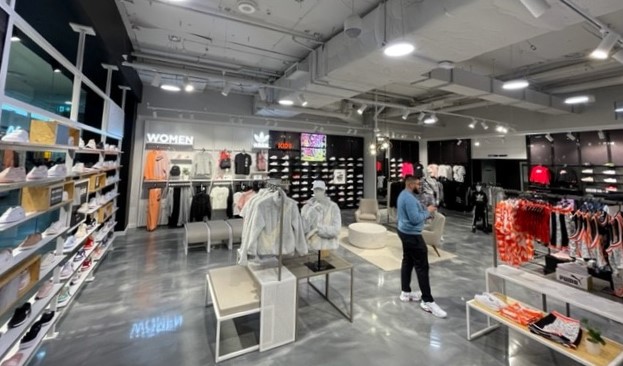
A well-executed shopfit can also improve operational efficiency. By optimizing the layout and placement of fixtures, it can facilitate smoother customer flow, reduce congestion, and minimize the time spent searching for items. This can lead to better productivity and employee satisfaction. Furthermore, a shopfit that incorporates energy-efficient lighting and sustainable materials can contribute to a business's commitment to environmental responsibility.
What is a Shopfit: The Process
The shopfitting process typically involves several stages, starting from the initial concept design and ending with the final installation. The first step is to understand the business's goals, target audience and desired aesthetic. This information is then used to develop a comprehensive design plan, including layout, fixtures, signage, and lighting.
Once the design is approved, the next phase involves sourcing materials, manufacturing fixtures, and coordinating with various contractors and suppliers. This stage requires careful project management to ensure that all elements are delivered on time and within budget. After all the components are ready, the installation process begins, which involves fitting the fixtures, connecting utilities, and adding finishing touches.
What is a Shopfit: Elements, Layout, Fixtures, and Lighting
Creating an effective shopfit involves careful consideration of three key elements: layout, fixtures, and lighting. The layout determines how the space is organized, including the placement of aisles, shelves, and checkout counters. It should be designed to optimize customer flow, ensure easy navigation, and highlight key areas or products. A well-planned layout can also create focal points and encourage customers to explore different sections of the store.
Fixtures play a crucial role in a shopfit, as they provide the infrastructure to display and merchandise products. They can include shelving units, display stands, racks, and cabinets, among others. Fixtures should be selected based on the type of products being sold and the desired aesthetic. They should be sturdy, functional, and easy to maintain, while also complementing the overall design theme.
Lighting is another vital element in shopfitting, as it sets the mood and illuminates the products. Different types of lighting, such as ambient, task, and accent lighting, can be used to create the desired atmosphere and highlight specific areas or products. Lighting should be carefully planned to ensure uniformity throughout the store, minimize shadows, and enhance visual clarity. It should also be energy-efficient and comply with relevant safety regulations.
Importance of Aesthetics in Shopfitting
Aesthetics play a crucial role in shopfitting, as they contribute to the overall ambiance and visual appeal of a store. The design and color scheme should align with the brand identity and target audience, creating a cohesive and memorable experience. A well-designed shopfit can evoke emotions, capture attention, and differentiate a business from its competitors.
The use of high-quality materials and finishes is essential in creating an aesthetically pleasing shopfit. From flooring and wall cladding to signage and decorative elements, every detail should be carefully chosen to enhance the overall design. Attention should be given to factors such as durability, ease of maintenance, and suitability for the intended purpose.
What is a Shopfit: Materials and Finishes
When it comes to shopfitting materials and finishes, there is a wide range of options available. The choice of materials should be based on factors such as durability, functionality, aesthetics, and budget. Common materials used in shopfitting include wood, metal, glass, laminates, and acrylics. Each material offers unique characteristics and can be tailored to suit specific design requirements.
Finishes, on the other hand, add the final touch to a shopfit, enhancing its visual appeal and durability. They can include options such as paint, varnish, veneer, powder coating, and vinyl wraps. The selection of finishes should align with the overall design concept and ensure longevity in a high-traffic retail environment.

Shopfitting Trends and Innovations
The field of shopfitting is continually evolving, with new trends and innovations emerging to meet the changing needs and expectations of customers. One of the prominent trends in recent years is the incorporation of technology into shopfitting. This can include interactive displays, touchscreens, virtual reality experiences, and smart lighting systems. Technology can enhance customer engagement, provide personalized experiences, and streamline operations.
Another trend is the focus on sustainable shopfitting. Businesses are becoming increasingly conscious of the environmental impact of their operations and are seeking eco-friendly solutions. This includes the use of recycled materials, energy-efficient lighting, and sustainable construction practices. Sustainable shopfitting not only reduces the carbon footprint but also resonates with environmentally conscious customers.
Hiring a Professional Shopfitting Company
While some businesses may attempt to undertake shopfitting in-house, it is generally recommended to hire a professional shopfitting company. A professional company brings expertise, experience, and industry knowledge to the table, ensuring that the shopfit is executed to the highest standards. They can provide end-to-end project management, from design and manufacturing to installation and post-completion services.
When selecting a shopfitting company, it is essential to consider its portfolio, reputation, and customer reviews. They should have experience in similar projects, an understanding of your business requirements, and a commitment to delivering on time and within budget. A professional shopfitting company can help bring your vision to life and create a retail space that reflects your brand identity.

The Impact of a Good Shopfit on Your Business
A well-executed shopfit can have a significant impact on a business's success. It creates an inviting and visually appealing space that attracts customers, enhances their shopping experience, and increases sales. A good shopfit also improves operational efficiency, strengthens brand perception, and demonstrates a commitment to environmental responsibility.
From the layout and fixtures to the lighting and aesthetics, every element of a shopfit requires careful consideration and planning. By understanding the purpose of a shopfit, the benefits it offers, the process involved, and the various elements that make up a shopfit, businesses can make informed decisions and create a retail space that stands out from the competition.
If you're looking to transform your retail space and optimize its potential, consider hiring a professional shopfitting company. They have the expertise and experience to bring your vision to life, creating a shopfit that aligns with your brand identity and resonates with your target audience. Invest in a good shopfit today and reap the rewards it brings to your business.