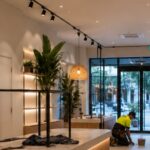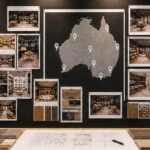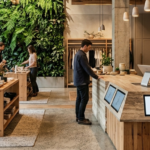
Pop-ups are a smart way to test locations, launch product drops, build community, and create content that lives beyond the trading period. The brands doing it well treat the space like a real retail environment, even if it is open for only a few days or weeks. That is where strong pop-up shop design meets practical delivery.
This guide covers the decisions that make temporary activations feel premium and organised, including layout, materials, lighting, and pack-down planning. If you are considering short-term leasing, markets, or centre kiosks, these steps will help you move faster with fewer mistakes.

Why pop-ups work in 2026
A pop-up allows you to trade in high-foot-traffic areas without committing to a long lease. It can also create urgency, which supports conversion and social sharing. Many brands also use pop-ups as research. You can test pricing, merchandising, and product mix while getting real customer feedback.
For a broader look at pop-ups and activation formats, this Shopify pop-up shop guide explains common pop-up models and how brands typically approach location selection.
- Start with a space-first plan, not a moodboard
Great pop-up shop design starts with constraints. You need to know the footprint, the access path for bump-in, ceiling height, power supply, and any centre rules around signage and fixing points.
Once those basics are set, you can design a layout that supports your most important customer actions. That might be sampling, browsing hero products, paying quickly, or creating a photo moment that encourages sharing.
If you are designing a compact retail footprint, Focus Shopfit’s guide to shop design and layout planning is a useful reference for circulation and display placement decisions.
- Build a layout that can handle rush periods
Pop-ups often face uneven demand. You might be quiet for an hour and then packed for twenty minutes after a social post goes live. Layout matters because small bottlenecks can cost real sales.
Prioritise clear entry, a simple browsing path, and a checkout position that does not block the store. If stock is limited, keep back-up inventory close without turning your pop-up into a storeroom.
- Choose fixtures designed for speed and reuse
The biggest difference between polished pop-ups and rushed ones is fixture strategy. For temporary retail fitouts, you want components that assemble fast, travel well, and still look finished in photos. This is where modular shopfitting becomes your advantage. Modular elements can be reconfigured across locations, which means you can adapt to different footprints without rebuilding everything from scratch.
If you want ideas on flexible fitout systems, this internal article on modular shopfitting benefits covers why modular builds support faster resets and more consistent brand presentation.
- Lighting and branding that looks good on camera
Pop-ups succeed when they photograph well. That does not require expensive lighting, but it does require intent. Use even lighting across hero areas, reduce glare, and highlight texture so your space reads clearly on mobile screens.
Colour also plays a role. If your brand has strong colours, plan how they appear under different lighting temperatures so product colours do not shift unpredictably. For practical guidance on colour choices that influence shopper behaviour, this guide to retail colour psychology can help you select a palette that supports your product category and mood.
- Compliance and permits for short-term retail
Even temporary spaces still have rules. Depending on where you trade, you may need approvals for signage, food sampling, temporary electrical, or public liability documentation. If you are trialling weekend trade in markets or events, the Australian Government’s guide on setting up a market stall is a useful overview of typical registrations and licence considerations. For centre-based pop-ups and short leases, it also helps to keep your documentation organised early. These permit considerations apply just as much to temporary retail fitouts as they do to permanent stores.
- Plan for bump-in and pack-down before you build
A pop-up is won or lost in logistics. Your best design is useless if it cannot be installed quickly within access windows or transported safely between locations. Before you fabricate anything, document how each component travels, how it assembles, what tools are needed, and where waste is removed. This reduces stress on opening day and protects your finishes.
If you want a practical example of flexible store resets, this article on reconfiguring a retail fitout quickly shows how modular elements can support a fast turnaround between seasonal themes.
- Cost planning for pop-ups that scale
Pop-ups can be cost-effective, but only if you design for reuse. Spending more on modular fixtures can be smarter than buying cheap one-off items that look tired after a single activation. This 2026 fitout pricing reference provides a helpful benchmark for comparing low, mid, and premium outcomes, including options suitable for pop-up builds.
A pop-up should feel like a brand, not a booth
The strongest pop-ups feel cohesive because the layout, fixtures, and signage all support a clear story. You are not filling a space. You are guiding people through a short experience that ends in action.
That is why pop-up shop design works best when it combines speed with quality. With the right modular shopfitting plan, you can deliver consistent brand presence across different sites while keeping installation time under control.
If you are planning a pop-up activation and want it to feel premium, Focus Shopfit can help you create temporary builds that are fast to install and ready to reuse. Reach out via the contact page to talk through your concept, footprint, and launch timeline.