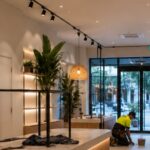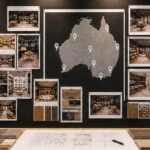
A successful fitout rarely comes down to one big decision. It is built through the right steps in the right order, with practical planning and strong coordination from day one.
Whether you are launching your first location or rolling out a new site, working with experienced shopfitters in Australia businesses rely on can help you move from inspiration to opening with clarity, confidence, and realistic timelines.
This guide walks through a proven retail design process, starting from your mood board and finishing with a store that is ready for customers.

Step 1: Define the concept and commercial goals
Every fitout begins with a direction. Your mood board may include colours, textures, lighting references, and brand cues, but it also needs to connect to commercial outcomes.
At this early stage, define what success looks like for your store:
- The products you need to showcase most prominently
- The customer journey you want to encourage
- How you plan to use space for service, storage, and display
- Your brand tone, from premium to playful
This becomes the backbone of your retail design process, helping design decisions stay purposeful instead of purely visual.
If you are exploring the options available in a full end-to-end delivery model, it helps to understand how trusted shopfitters in Australia, like Focus Shopfit, approach planning.
Step 2: Site assessment and measurement
Even the best concept needs to match the reality of the tenancy. Measurements, existing services, access constraints, and centre requirements all affect what is possible.
A fitout team will typically review:
- Tenancy dimensions and ceiling heights
- Existing power, hydraulic, and mechanical services
- Fire and safety requirements
- Access for deliveries, trades, and installation
- Any base building constraints or approvals pathways
This stage protects your timeline. It reduces redesign loops later and sets up smarter fitout project management from the start.
For retailers who want a clear expectation of how trades and delivery phases are coordinated, check our this quick guide gives a strong overview of the key construction steps.
Step 3: Translate mood board ideas into a working layout
This is where concept becomes a plan you can act on.
A strong retail layout supports flow, dwell time, and conversion. It also creates clear zones for staff operations so the store performs day-to-day.
Key planning considerations include:
- Entry impact and sightlines
- High-margin product placement
- Space for queuing and customer service
- Storage access and replenishment
- Lighting strategy across feature zones and general merchandising
Because layout affects everything that follows, this stage is one of the most valuable points to work with skilled shopfitters in Australia brands trust for accurate spatial planning and buildability.
If you want a practical reference for early space planning, our blog on planning shop design and layout is a useful companion read.
Step 4: Select materials and finishes that suit real retail conditions
Retail finishes must look good and perform consistently under heavy use. Choosing materials that handle traffic, cleaning, and wear helps maintain brand presentation long after opening day.
Common selection areas include:
- Flooring that suits foot traffic and maintenance requirements
- Wall finishes that support feature displays and signage
- Joinery finishes that balance style and durability
- Lighting types that flatter products and create mood
- Hardware choices that support frequent daily use
This stage is also where budget alignment becomes easier. When finishes are specified early, your supplier quotes and lead times become far more predictable, strengthening overall fitout project management.
For a broader understanding of what is typically included in a fitout scope, see what is included in a shopfit.
Step 5: Value engineering without losing your concept
Value engineering is about making smart substitutions that keep the intended customer experience intact. It can include alternative materials, simplifying joinery details, or choosing more readily available products that reduce lead times.
Done well, value engineering improves feasibility and build confidence while keeping the concept true to your brand.
At this point, it also helps to align decisions with the National Construction Code (NCC), especially where accessibility, safety, and compliance requirements apply. For an authoritative reference, visit the National Construction Code (NCC) guidance site.
Step 6: Documentation, approvals, and lead times
Documentation turns design into a buildable plan and supports approvals with landlords, councils, or shopping centres.
Depending on your site and scope, documentation may include:
- Detailed construction drawings
- Joinery shop drawings
- Services coordination plans
- Finish schedules and specifications
- Approval packages for centre management
Approvals can influence your opening date more than many owners expect. When documentation is clear and well-timed, approvals generally move more smoothly.
A strong fitout team will also help you map realistic lead times for critical elements like custom joinery, lighting, and specialist finishes.
For a breakdown of how fitout projects typically move through build stages, Focus Shopfit’s blog on how long a shop fitout truly takes provides a practical timeline view.
Step 7: Build phase coordination and site management
This is the stage where planning pays off. The build phase involves multiple trades working in sequence, often under tight time windows.
Effective site coordination usually includes:
- Programming and trade scheduling
- Site safety and compliance management
- Delivery coordination and access planning
- Daily progress tracking and issue resolution
- Quality checks during installation
Work health and safety should be planned alongside the build programme, not treated as a last-minute item. Safe Work Australia provides a helpful reference via its model code of practice on managing the work environment and facilities.
When your retail design process includes clear responsibilities and communication pathways, the build runs with fewer delays and clearer decision-making.
Step 8: Fitoff, styling, and pre-opening readiness
As the build nears completion, the focus shifts to fitoff and operational readiness.
This stage often includes:
- Final installations and touch-ups
- Signage, visual merchandising fixtures, and lighting adjustments
- Deep cleaning and presentation checks
- Defect review and rectification
- Handover documentation completion
This is also a great time to prepare your merchandising set-up plan so stock and displays flow smoothly during opening week.
If you want to see how real-world projects come together across different categories, explore these examples of completed fitouts.
Step 9: Grand opening support and post-handover care
Opening day is the milestone, but the real goal is long-term performance. Post-handover support helps ensure the store stays looking and operating as intended.
That can include:
- Minor adjustments after trade completion
- Maintenance planning for high-wear areas
- Ongoing repairs and refresh work as needed
For businesses managing multiple sites, planned upkeep is a key part of brand consistency. Focus Shopfit offers long-term support through its maintenance contracts service pathway.
A clear retail design process makes the difference between a fitout that feels rushed and one that opens with confidence. When planning, approvals, documentation, and site coordination are managed with care, you gain better control over timelines, quality, and budget. That is what strong fitout project management looks like in practice.
If you are preparing a new site or refurbishing an existing one, working with experienced shopfitters in Australia retailers trust can help you move from mood board to grand opening with fewer surprises. To discuss your brief, timelines, and next steps, speak with Focus Shopfit and contact our team here.