Navigating council approvals for your fitout in Sydney vs. Melbourne
Approvals can influence your opening date as much as design and construction. For many retailers, the main challenge is not the build itself. It is knowing what paperwork is required, what triggers an approval, and how timelines differ between councils.
For teams planning shop fitouts Sydney, or managing multi-site retail fitouts Melbourne, confirming the approvals pathway early helps reduce redesign work and protects your programme.
This guide compares common approval steps in Sydney and Melbourne, so your fitout stays compliant and your timeline stays realistic. It is general guidance only, and your exact requirements depend on tenancy conditions, scope, and location.

What approvals usually apply to a retail fitout
Most fitouts sit within two approval areas. Planning relates to land use and planning controls. Building relates to construction compliance and safety. In many cases, councils review changes like signage, facade adjustments, and changes to use, while building surveyors assess construction requirements such as accessibility, fire safety, and structural works.
To sense-check what your build scope may include, this shopfitting inclusions guide provides a helpful overview before you start gathering drawings and certificates.
- Sydney fitouts: When a development application is more likely
In Sydney, a development application (DA) is commonly required when fitout works involve planning triggers such as external changes, signage, heritage constraints, or a change in how the premises is used. Some projects may be eligible for faster pathways such as a complying development certificate (CDC), depending on location and scope, but it still relies on clear documentation prepared up front.
For City of Sydney locations, the official document checklist for development applications is a strong starting point when planning works in the CBD and surrounding areas. Even when planning approval is not triggered, building sign-off may still apply depending on construction work, services changes, and fire safety scope.
- Melbourne fitouts: Planning permits and building permits
In Melbourne, the approvals pathway often depends on zoning, change of use, and whether construction work requires a building permit. Some retail works proceed without planning approval, while others require a planning permit before construction can begin.
The City of Melbourne outlines local building guidelines and regulatory considerations, which can help you identify expectations and responsibilities during a fitout.
For broader Victorian permit context, the Victorian Building Authority explains when planning and building permits may be required, including common triggers and permit responsibilities.
Key differences between Sydney and Melbourne approval workflows
While both cities require clear documentation, the workflow can feel different. Sydney fitouts often emphasise the DA pathway when planning controls are triggered, while Melbourne fitouts frequently involve planning permit checks plus building permit steps, depending on the site and scope.
For multi-site retailers, the best approach is to build an approvals checklist into your programme and confirm responsibilities early between landlord, tenant, fitout team, and consultants.
This commercial fitout planning checklist can help you track the steps that usually sit alongside drawings, permits, and procurement decisions.
Documents that reduce back and forth
Approvals move faster when documentation is consistent and complete. Depending on your works, councils and certifiers may request combinations of the following.
- Existing and proposed floor plans showing room use, seating, and circulation
- Reflected ceiling plans showing lighting, services, and equipment locations
- Signage details and external elevation drawings if anything changes externally
- Accessibility layouts including widths, turning circles, and amenities where relevant
- Fire safety scope and any upgrades required for compliance
- Materials and finishes schedules for areas that affect safety or performance
A practical way to avoid late-stage changes is to align documentation with build sequencing early. It also helps you estimate realistic timeframes for trades, specialist installs, and long-lead items.
If you are working to a fixed opening date, this retail fitout timeline guide is a useful benchmark when setting deadlines around approvals and ordering.
How to keep fitout timelines realistic
Approvals are rarely the only timing factor. Lead times, centre access restrictions, and service upgrades can all affect delivery. The safest approach is to set key decision deadlines and keep your drawings moving steadily through review.
For Sydney sites, early council checks are a practical way to protect the programme for shop fitouts Sydney businesses want ready for key trade periods.
For Victoria sites, early assessment of works helps you avoid delays in building permit steps for retail fitouts Melbourne, especially where fire safety, services, or structural changes are involved.
Where Focus Shopfit can support your approvals pathway
Approvals are easier to manage when the fitout process is coordinated end to end. Focus Shopfit supports delivery with structured project coordination that connects documentation to construction, keeping your programme clear as the build progresses.
If you are comparing build stages by location, these guides can help with expectations across markets, including shopfitting phases used in Melbourne projects and the factors often considered in Sydney retail display planning.
With planning checks and documentation handled early, both Sydney and Melbourne fitouts can move smoothly from design to build. The key is to treat council approvals as part of the fitout timeline, not a separate step that happens later.
If you are preparing shop fitouts Sydney or managing retail fitouts Melbourne, Focus Shopfit can help you plan a compliant pathway that supports your target opening date. Reach out via the contact page to discuss your tenancy, scope, and schedule.

How modern shopfitting transforms customer experience
Nowadays, brick-and-mortar stores are no longer just places to buy products; they are crucial touchpoints for brand interaction, storytelling, and community building. The silent architect behind a memorable in-store journey is shopfitting, a discipline that goes far beyond shelves and counters. Modern shopfitting in Sydney is about strategically designing and equipping a retail space to captivate, guide, and serve the customer, directly improving their overall experience and ultimately driving sales.
Understanding the power of a well-executed shopfit is paramount. It’s an investment that can redefine your brand, streamline operations, and turn casual browsers into loyal advocates.
First impressions and brand storytelling
The moment a customer steps into your store, their experience begins. Visual cues, lighting, and layout contribute to a crucial first impression. Focus Shopfit brings effective shopfitting that can represent your brand's identity and story.
- Invest in high-quality materials and finishes that align with your brand's perceived value. A luxury brand might opt for bespoke timber and polished chrome, while an eco-conscious brand could use reclaimed wood and sustainable textiles. Consistency across all elements, from your signage to your display units, reinforces your brand message.
- A cohesive, attractive, and well-maintained interior signals professionalism and attention to detail. It creates an inviting atmosphere that makes customers feel comfortable and eager to explore, reducing initial resistance and setting a positive tone for their visit.
Intuitive layout and flow
One of the most critical aspects of shopfitting is the strategic arrangement of elements within the store. An intuitive layout guides customers effortlessly through your merchandise, highlighting key products and promotions without overwhelming them. Poor flow, on the other hand, can lead to frustration, missed opportunities, and a quick exit.
- Map out your customer journey. Where do they naturally look first? How can you create clear pathways that lead them from entry to your hero products, then to complementary items, and finally to the checkout? Utilise different types of retail display solutions to break up the space and create distinct zones for product categories. Consider the "decompression zone" just inside the entrance, where customers can adjust and take in their surroundings before being presented with merchandise.
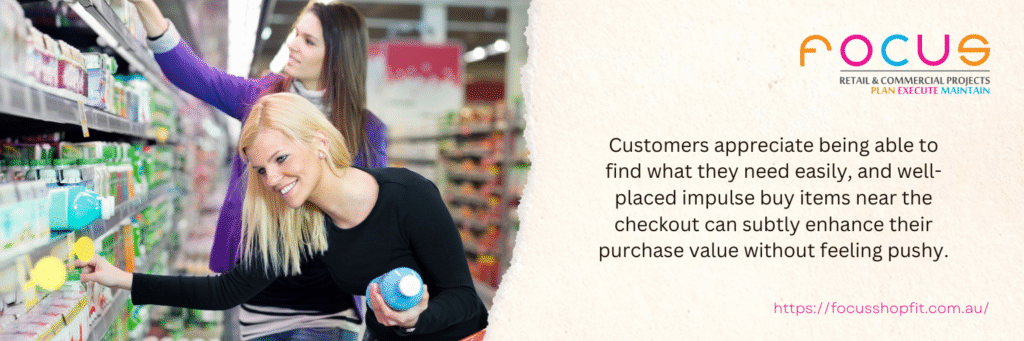
- A logical flow reduces cognitive load, making shopping feel less like a chore and more like a discovery. Customers appreciate being able to find what they need easily, and well-placed impulse buy items near the checkout can subtly enhance their purchase value without feeling pushy.
Engagement and interaction
Today's consumers crave experiences. Modern shopfitting integrates technology and design to transform passive shopping into an interactive and engaging journey. This is where the physical store truly shines over online retail.
- Think beyond static displays. Can you incorporate interactive screens that allow customers to customise products? What about comfortable seating areas where they can test products or charge their phones? Consider 'play' zones for children in family-oriented stores, or demonstration areas for specific products. Even subtle elements like adjustable lighting that changes mood can create an immersive experience.
- By creating opportunities for interaction, you encourage customers to spend more time in your store, fostering a deeper connection with your brand and products. Engaged customers are more likely to make a purchase, remember their visit fondly, and share their positive experience with others.
Visual merchandising and product presentation
Your products are the stars of the show, and shopfitting provides the stage. Effective visual merchandising, supported by well-designed fixtures, makes products appealing, accessible, and desirable.
- Regularly refresh your displays to keep the store feeling dynamic and exciting. Use varying heights, textures, and lighting to create visual interest. Highlight new arrivals or best-sellers with dedicated, well-lit display units. Focus Shopfit ensures that products are easy to reach and examine before being purchased.
- When products are beautifully presented and easy to navigate, customers feel more confident in their purchasing decisions. A store that looks curated and thoughtfully arranged implies quality and care, reflecting positively on the products themselves.
Back-of-house and checkout efficiency
While often overlooked, the efficiency of your back-of-house operations and checkout area significantly impacts the customer experience. A well-designed stockroom means staff can quickly replenish shelves, while a streamlined checkout process reduces frustration.
- Even small improvements in the checkout area can have a big impact. Consider comfortable queueing areas, clear instructions for payment methods, and opportunities for last-minute impulse buys. Ensure staff have ergonomic and functional spaces to work, enabling them to focus on customer service rather than struggling with inefficient layouts.
- Fast, seamless transactions are a non-negotiable expectation. When the checkout process is efficient and hassle-free, customers leave on a high note, reinforcing their positive overall experience.
Modern shopfitting is a dynamic and essential tool for any retail store owner looking to evolve. It’s an ongoing conversation between your brand, your space, and your customers. By strategically investing in retail display solutions and thoughtful design, you're not just building a store; you're crafting an unforgettable customer experience that fosters loyalty and drives engagement. Focus Shopfit can evaluate and adapt your fitout based on customer feedback and evolving retail trends that make your store vibrant and profitable.
Shopfitting Sydney: Is shop fitting an asset or liability?
Shopfitting plays a vital role in the success of retail businesses in Sydney. It involves the design, construction, and installation of fixtures and fittings that create an appealing and functional retail space. A well-executed shopfitting project can enhance the overall customer experience, drive sales, and boost brand image. However, if not done properly, it can become a liability for businesses. In this article, we will explore the importance of shopfitting Sydney, the latest trends in the industry, the benefits of professional shopfitting, considerations for businesses, tips for a successful store design, and the costs and return on investment (ROI) associated with shopfitting.

The importance of shopfitting in Sydney
In a competitive retail landscape like Sydney, shopfitting plays a crucial role in attracting customers and creating a memorable shopping experience. A well-designed and aesthetically pleasing store can differentiate a business from its competitors and leave a lasting impression on customers. Shopfitting involves strategic planning of the layout, lighting, fixtures, and signage to optimize the flow of customers and highlight products or services. It helps create a cohesive and visually appealing environment that aligns with the brand identity and engages customers on multiple sensory levels.
Moreover, shopfitting in Sydney is not just about aesthetics; it also considers functionality and compliance with local regulations. Properly designed and installed fixtures can improve the efficiency of operations, enhance product visibility, and ensure a safe shopping environment. From shelving and display units to checkout counters and fitting rooms, every aspect of shopfitting is carefully crafted to maximize sales opportunities and provide a seamless customer journey.
Shopfitting trends in Sydney
The shopfitting industry is constantly evolving, and staying up-to-date with the latest trends is crucial for businesses in Sydney. One of the prominent trends in shopfitting is the integration of technology. Digital displays, interactive touchscreens, and mobile payment systems are becoming increasingly popular in retail spaces. These technologies not only enhance the customer experience but also provide valuable data for businesses to analyze and optimize their operations.
Another trend is the focus on sustainability and eco-friendly shopfitting solutions. Consumers in Sydney are becoming more conscious of their environmental impact, and businesses that prioritize sustainability can attract a larger customer base. Using recycled materials, energy-efficient lighting, and implementing green practices throughout the store can contribute to a positive brand image and help businesses align with the values of their target audience.
Benefits of professional shopfitting
Investing in professional shopfitting services brings numerous benefits to businesses in Sydney. Firstly, professional shopfitters have the expertise and experience to create functional and visually appealing store layouts. They understand the psychology of consumer behavior and can design the space to maximize sales potential. From the placement of high-margin products to creating focal points that draw customers' attention, professional shopfitters optimize every aspect of the store to drive revenue.
Additionally, professional shopfitters have access to a wide range of high-quality fixtures and fittings. They can source materials that are durable, aesthetically pleasing, and comply with safety regulations. By using top-notch fixtures, businesses can create a premium shopping experience that reflects positively on their brand and encourages customer loyalty.
Professional shopfitting companies in Sydney often offer end-to-end services, including project management, installation, and maintenance. This ensures a smooth and hassle-free shopfitting process, allowing business owners to focus on other aspects of their operations. By outsourcing shopfitting to professionals, businesses can save time, reduce stress, and ensure the project is completed within the allocated budget.

Shopfitting considerations for businesses in Sydney
Before embarking on a shopfitting project, businesses in Sydney need to consider several factors to ensure a successful outcome. Firstly, it is essential to have a clear understanding of the target market and customer preferences. By analyzing the demographics, shopping habits, and preferences of the target audience, businesses can tailor their shopfitting strategy to effectively capture their attention and drive sales.
Businesses should carefully assess their budget and allocate funds for shopfitting accordingly. While it may be tempting to cut corners on shopfitting costs, investing in quality fixtures and fittings is crucial for long-term success. Cheap materials or poor craftsmanship can lead to frequent repairs and replacements, resulting in additional expenses down the line. It is better to invest in durable and high-quality components that can withstand the wear and tear of daily retail operations.
Additionally, businesses should consider the scalability of their shopfitting design. As the business grows and evolves, the store layout may need to be modified or expanded. Planning for future growth and flexibility in the shopfitting design can save businesses from costly renovations in the future.
Choosing the right shopfitting company in Sydney
Selecting the right shopfitting company is crucial for a successful shopfitting project. Businesses in Sydney should consider several factors before making a decision. Firstly, it is important to assess the experience and expertise of the shopfitting company. Look for a company that has a proven track record of delivering high-quality shopfitting projects and has experience working with businesses in your industry.
References and testimonials from previous clients can provide insights into the reputation and reliability of the shopfitting company. It is also advisable to visit some of the completed projects of the shopfitting company to evaluate the quality of their work firsthand.
Additionally, businesses should inquire about the range of services offered by the shopfitting company. Do they provide end-to-end solutions, including design, project management, and installation? Having a single point of contact throughout the shopfitting process can streamline communication and ensure a cohesive vision is maintained.
Finally, consider the budget and pricing structure of the shopfitting company. While cost is an important factor, it should not be the sole determining factor. It is better to invest in a reputable and experienced shopfitting company that delivers high-quality results rather than opting for the cheapest option that compromises on quality.
Shopfitting tips for a successful store design
Designing a successful store requires careful planning and consideration of various elements. Here are some shopfitting tips to create an effective store design in Sydney:
- Understand your target audience: Research your target market and design the store layout, fixtures, and signage to reflect their preferences and needs.
- Create a focal point: Design a visually appealing centerpiece in your store to grab customers' attention and draw them deeper into the space.
- Optimize product placement: Strategically position high-margin or popular products at eye level or near the entrance to maximize their visibility and increase sales.
- Consider the flow: Ensure a logical and intuitive flow within the store, guiding customers through different sections and encouraging exploration.
- Invest in lighting: Proper lighting can enhance the ambiance of the store and highlight products effectively. Use a combination of ambient, accent, and task lighting for a balanced and visually appealing environment.
- Provide comfortable customer spaces: Incorporate comfortable seating areas or designated fitting rooms to enhance the customer experience and encourage longer visits.
- Incorporate technology: Integrate technology solutions such as digital displays, interactive screens, or mobile payment systems to engage customers and streamline operations.
Shopfitting costs and ROI in Sydney
The costs associated with shopfitting in Sydney can vary depending on the scale and complexity of the project. Factors such as the size of the store, the materials used, and the level of customization required can influence the overall costs. It is advisable for businesses to obtain quotes from multiple shopfitting companies to compare prices and services.
While shopfitting can be a significant investment, it is essential to consider the long-term return on investment (ROI). A well-executed shopfitting project can drive increased foot traffic, improve sales conversion rates, and enhance brand perception. The positive impact on sales and customer experience can result in a substantial ROI over time.

Conclusion: Is shopfitting an asset or liability for businesses in Sydney?
Shopfitting is undoubtedly an asset for businesses in Sydney. A well-designed and professionally executed shopfitting project can elevate the customer experience, drive sales, and strengthen brand image. It helps businesses stand out in a competitive market, attract customers, and create a memorable shopping environment. However, it is crucial for businesses to carefully consider their shopfitting strategy, choose the right shopfitting company, and invest in quality fixtures and fittings. With the right approach and execution, shopfitting becomes a valuable asset that contributes to the success and growth of businesses in Sydney.