

The modern workspace: Trends in Perth for office fitouts 2026
Office expectations have shifted. By 2026, the workplace is less about desks in rows and more about creating an environment that supports how people actually work across the week. For businesses planning office fitouts in Perth teams will genuinely enjoy using, the focus is on flexibility, wellbeing, sustainability, and seamless tech.
For Perth organisations competing for talent and aiming to lift productivity, the fitout becomes a practical business asset. Here are the trends shaping commercial office design in 2026, and how to apply them without overcomplicating the brief.
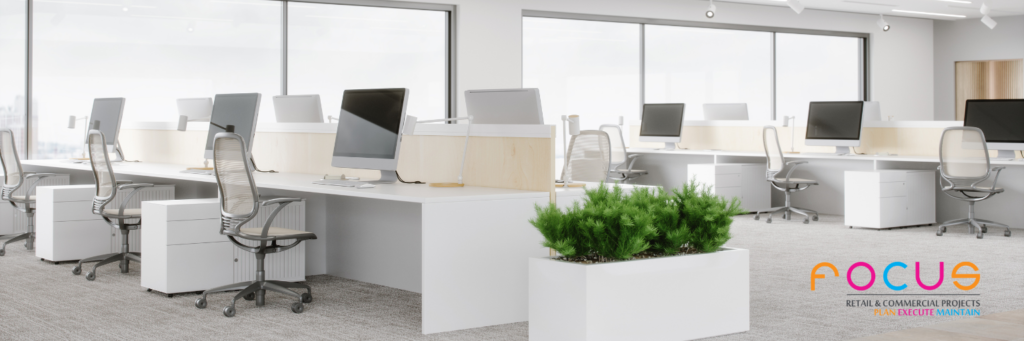
Trend 1: Designing for hybrid work as the default
In 2026, many teams are operating with a blend of onsite and remote time. The best-performing hybrid workspaces are designed around activity, not attendance.
Practical design moves that support hybrid working include:
- Zoning that matches tasks, such as quiet focus areas, project spaces, and meeting rooms sized for real demand
- A stronger mix of enclosed rooms and semi-enclosed nooks to support calls and deep work
- More “touchdown” positions for short onsite visits, plus a smaller number of permanent workpoints for regular onsite roles
- Storage that supports desk sharing, including lockers and team-based storage near collaboration zones
This approach helps your workplace stay functional on high-traffic days while still feeling purposeful on quieter days.
Trend 2: Flexible layouts that change with teams
Workflows evolve, teams grow, and departments reorganise. In 2026, successful fitouts are designed to adapt with minimal disruption.
Flexibility can be built in through:
- Modular furniture and joinery that can be reconfigured without major building work
- Demountable partitions that allow changes to rooms and team zones
- Power and data planning that anticipates future desk layouts and meeting room needs
- Multi-purpose rooms that can shift between training, collaboration, and town hall use
When you plan flexibility early, your fitout stays relevant longer. This is especially valuable for organisations doing office fitouts for Perth businesses are using to support growth or consolidation.
Trend 3: Wellbeing-led design that feels measurable
Wellbeing has moved beyond a nice-to-have. It now influences retention, performance, and how people rate their workplace experience.
Key wellbeing priorities that are shaping modern fitouts include:
- Better acoustic control so people can focus and meetings stay contained
- Lighting that supports concentration while reducing glare and fatigue
- Air quality strategies aligned with healthier indoor environments
- Ergonomic planning that supports different body types, working styles, and accessibility needs
Acoustics is one area that often delivers immediate results. Even simple improvements can reduce distractions in open-plan zones. If you want practical ideas you can apply in non-retail environments too, Focus Shopfit’s article on using acoustic design to enhance the retail experience is a helpful starting point because the same core principles apply in many commercial settings.
For ergonomics guidance relevant to office teams, WorkSafe WA’s overview on office ergonomics provides clear direction that can inform workstation and layout decisions.
Trend 4: Sustainability that supports long-term value
Sustainability is increasingly tied to tenant expectations, corporate responsibility goals, and operational cost control. In 2026, sustainability is also about resilience and smarter lifecycle decisions.
Ways fitouts are becoming more sustainable include:
- Selecting finishes and materials with stronger durability so they stay presentable longer
- Designing for maintenance access, which reduces downtime and avoids patchwork repairs
- Re-using elements where practical, such as existing partitions or upgradeable joinery
- Choosing products and systems that reduce waste during future changes
If you’re working towards a recognised benchmark for fitout sustainability, Green Building Council of Australia’s Green Star – Interiors is a useful reference point for understanding how sustainable fitout outcomes are assessed.
Trend 5: Tech-ready spaces that reduce friction
Technology should support work without becoming the centre of attention. In 2026, commercial spaces are being planned to make meetings smoother, improve space use, and support flexible teams.
Common tech-forward considerations include:
- Meeting rooms designed for hybrid calls, with camera placement and acoustics considered from day one
- Stronger wireless performance planning across the full floorplate, including collaboration and breakout zones
- Smarter access control and secure storage for shared environments
- Planning for building systems that connect through the Internet of Things (IoT), where appropriate, so lighting, occupancy, or energy use can be monitored and improved over time
The best results come from coordinating information technology (IT) needs with spatial planning early, so power, cabling, and room layouts support the tools people already use.
Trend 6: A fitout process that stays predictable
Trends matter, but delivery still determines success. A modern office fitout should feel clear from brief through handover, including timelines, approvals, and how changes are managed.
For organisations looking for a structured approach to delivery, Focus Shopfit’s service outlines a practical way to move from plan to build with fewer surprises and stronger coordination across trades.
A well-run process also makes it easier to keep design decisions aligned with budgets, especially when you are balancing aesthetics with performance in commercial office design.

Bringing it together for Perth workplaces
When you combine flexibility, wellbeing, sustainability, and practical tech planning, the result is a workspace that supports real work patterns. The goal for 2026 is a workplace people choose to use because it helps them perform, not because it looks impressive in photos.
If you are planning office fitouts in Perth teams can grow with, start by defining what great work looks like in your organisation, then shape the space around those behaviours. With the right fitout partner, you can make those decisions confidently and keep delivery on track.
Ready to plan a modern office that works as hard as your team does? Speak with Focus Shopfit about your next fitout and contact us here.


The ROI of a professional fitout: Why it is worth the investment
A commercial fitout represents a significant capital outlay for any business. It is natural for owners to scrutinise the budget and ask whether the expense is truly justified. The key is to view your fitout not as a sunk cost, but as a strategic retail business investment designed to generate a substantial return on investment (ROI) over many years.
Engaging professional shopfitters in Australia, like Focus Shopfit, ensures that your investment works harder for you. A well-executed fitout delivers returns that can be measured both on the balance sheet and in the satisfaction of your customers and staff.
Tangible returns you can measure
These are the direct, quantifiable benefits that a professional fitout delivers.
- Increased sales and revenue: An improved layout can guide customers to high-margin products. Better lighting makes products more appealing, and an enhanced overall experience encourages customers to stay longer and spend more.
- Improved operational efficiency: A thoughtfully designed workspace optimises workflow for your staff. This can mean faster service, reduced errors, and the ability to serve more customers with the same number of employees, directly impacting your bottom line.
- Reduced operating costs: Modern fitouts can incorporate energy-efficient lighting like light-emitting diodes (LEDs), better insulation, and smarter heating, ventilation, and air conditioning (HVAC) systems. These upgrades can lead to significant savings on your monthly utility bills.
Intangible returns that build your brand
These benefits are harder to assign a dollar value to but are critical for long-term success.
- Enhanced brand perception: Your physical space is a direct reflection of your brand. A professional, modern fitout communicates quality, success, and attention to detail, elevating how customers perceive your business. This is a crucial part of any retail business investment.
- Improved customer experience: A comfortable, attractive, and easy-to-navigate store creates a positive emotional connection with your customers. This fosters loyalty and encourages repeat business and word-of-mouth referrals. We discuss this in our blog on how modern shopfitting transforms the customer experience.
- Increased staff morale and productivity: A well-designed and functional work environment makes employees feel valued. This can lead to higher morale, lower staff turnover, and increased productivity.
A professional fitout is a powerful business tool. It creates a competitive advantage, future-proofs your operations, and lays the foundation for sustained growth. By partnering with experienced shopfitters in Australia, you ensure your project is managed efficiently, built to the highest standards, and designed to maximise its return on investment.
Feeling overwhelmed by your fitout project? A commercial fitout is a significant undertaking, but you don't have to navigate it alone. The experienced team at Focus Shopfit is here to provide clarity and guide you through every step. Speak with a project specialist by contacting us today.
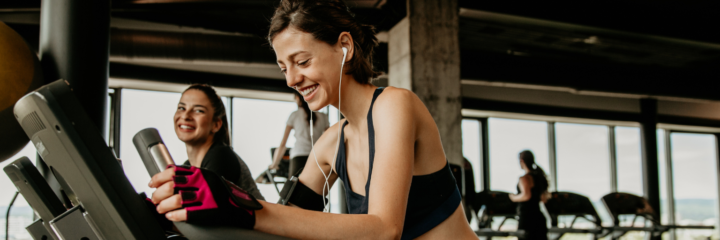
Check out this guide to designing a functional and stylish gym fitout in Australia
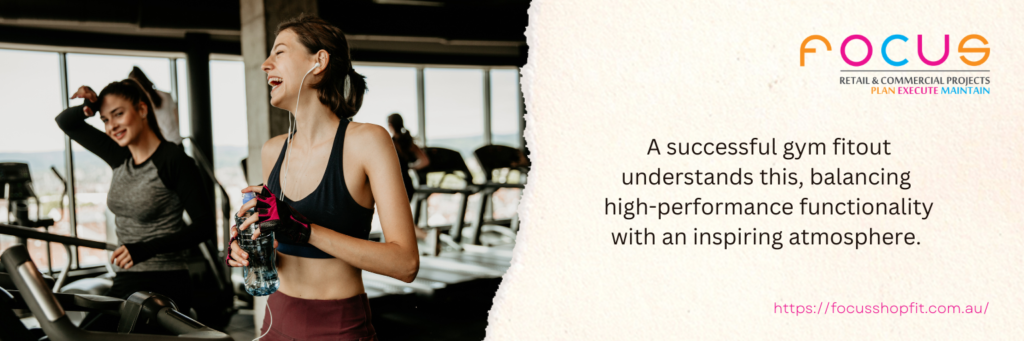
A gym is a space for motivation, community, and transformation. A successful gym fitout understands this, balancing high-performance functionality with an inspiring atmosphere. For gym fitouts in Australia, the design must be robust enough to handle heavy use while creating an environment that keeps members coming back.
Whether you are launching a new boutique studio or renovating a large-scale facility, a strategic approach to fitness centre design is the key to creating a standout space. This guide explores the essential elements that expert commercial gym shopfitters focus on to build gyms that work.
The foundation: A functional layout
Before you even think about colours or finishes, you need a flawless layout. A gym’s layout dictates the member experience and operational efficiency.
- Zoning: The most effective gym layouts are zoned by activity. Create distinct areas for cardio, free weights, machine weights, functional fitness, and group class studios. This creates order, improves safety, and allows members to work out efficiently.
- Flow and circulation: Aisles and pathways must be wide enough to allow for safe and easy movement, even during peak hours. Consider how members will move between zones, from the change rooms to the gym floor.
- Reception and entrance: The entry sets the first impression. It should be welcoming, with a clear line of sight to the reception desk. This area needs to be functional for staff to manage check-ins and inquiries smoothly.
Materials matter: Durability is non-negotiable
The materials used in gym fitouts in Australia need to be incredibly durable. The environment is high-traffic and high-impact, so every surface must be chosen for longevity.
- Flooring: This is arguably the most critical material choice. Specialised rubber flooring is essential for free weight and functional fitness areas to absorb impact and sound. Other areas might use durable vinyl or carpet tiles.
- Mirrors: Wall-to-wall mirrors are a staple of fitness centre design. They help members check their form and make the space feel larger and brighter. Ensure they are safety-backed and professionally installed.
- Acoustics: Gyms are noisy. Incorporating acoustic panels on walls or ceilings can help absorb sound, preventing a chaotic atmosphere and improving the experience, especially in group fitness studios. Our blog on using acoustic design has more on this topic.
Creating atmosphere: Lighting, branding, and motivation
Functionality is essential, but it is the atmosphere that inspires members. This is where you can build your brand identity.
- Lighting: A layered lighting approach is best. Use bright, energising light in the main workout areas. In contrast, yoga or mind-body studios benefit from softer, dimmable lighting to create a calming mood.
- Branding: Your fitout is a physical manifestation of your brand. Use your brand colours strategically. Install large-scale graphics or motivational quotes on the walls to create an inspiring environment.
- Amenities: High-quality change rooms and amenities can be a major selling point. Ensure they are clean, modern, and well-lit, with secure lockers and ample space.
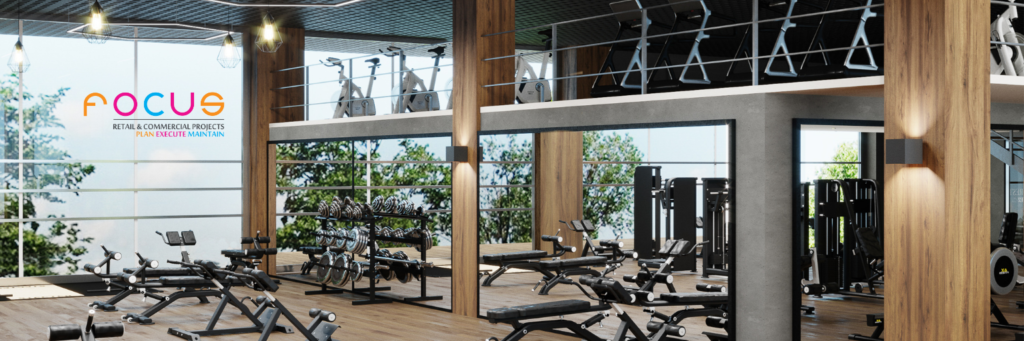
A successful gym fitout is a complex project that requires specialised knowledge. Partnering with experienced commercial gym shopfitters will ensure your facility is not only safe and functional but also a space that motivates and retains its members for years to come.
Your space is the future of your brand. It is an investment in your brand's story and future success. At Focus Shopfit, we partner with ambitious businesses to create spaces that are not just built for today but designed for tomorrow. Let's build the future together today.

Is your commercial fitout in Australia accessible and DDA-compliant in retail?
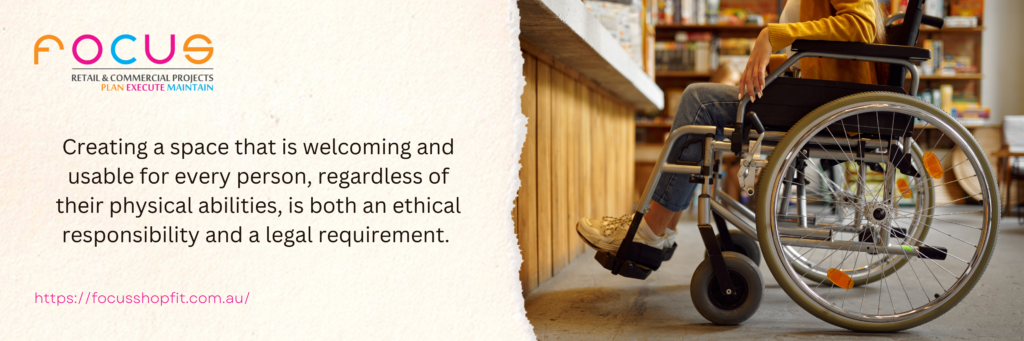
When planning a commercial fitout Australia, it is easy to get swept up in the aesthetics of design. But beyond the colours and finishes lies a critical, non-negotiable aspect: accessibility. Creating a space that is welcoming and usable for every person, regardless of their physical abilities, is both an ethical responsibility and a legal requirement.
Understanding the relevant shopfitting regulations can seem daunting, but it is an essential part of your responsibility as a business owner. This guide will provide an overview of accessibility in design, helping you ensure your new fitout is inclusive and compliant from day one.

What is accessibility compliance in Australia?
In Australia, accessibility is primarily governed by the Disability Discrimination Act 1992 (DDA). This federal law makes it illegal to discriminate against a person on the grounds of disability. For a retail or commercial space, this means you must provide equal access to your premises, goods, and services.
The technical standards for achieving this are outlined in the National Construction Code (NCC) and various Australian Standards, such as AS 1428.1. These documents specify the minimum requirements for features like ramp gradients, doorway widths, and accessible bathroom layouts. A professional commercial fitout specialist in Australia will be well-versed in these standards.
Key areas of focus for accessibility in design
When planning your fitout, here are the critical areas you and your shopfitter must address to ensure compliance.
- Accessible entry and exit: Your main entrance must be accessible. This means having at least one entrance with no steps or providing a compliant ramp or lift. Doors must be wide enough to accommodate wheelchairs and have appropriate handles.
- Clear paths of travel: Customers need to be able to move freely through your store. Main thoroughfares should be wide enough for a wheelchair to pass through and turn around. Keep these paths clear of temporary displays or clutter.
- Point of sale (POS) and service counters: Your checkout counter must have a lower section to comfortably serve customers in wheelchairs. It should be clearly identifiable and easy to approach. This is a key detail in shopfitting regulations.
- Accessible amenities: If you have public restrooms, you must provide at least one accessible unisex toilet that meets the specific dimensional and fixture requirements of the Australian Standards.
- Signage: Signage should be easy to read, positioned at an appropriate height, and use clear, contrasting colours. For key facilities like restrooms, consider including braille and tactile elements.
Why accessibility is more than a legal box to tick
While compliance is mandatory, true accessibility in design also offers significant business benefits.
- It expands your customer base: Approximately 1 in 5 Australians has some form of disability. By creating an accessible space, you are welcoming a significant portion of the population that may otherwise be unable to shop with you.
- It improves the customer experience for everyone: Features designed for accessibility, such as wider aisles and clear signage, benefit all shoppers, including parents with strollers and the elderly.
- It enhances your brand reputation: An inclusive and welcoming business is one that customers respect and want to support. It shows that you care about your community.
Planning an inclusive commercial fitout in Australia is a collaborative effort between you and your project team. By making it a priority from the very beginning, you can create a space that is not only beautiful and functional but also truly welcoming to everyone. We explore this further in our blog on shopfitting for staff workflow and reducing injury risk.
Inspired to create something amazing? Seeing what’s possible is the first step. At Focus Shopfit, we’ve helped businesses across Australia create stunning and compliant environments that drive sales and enhance customer experience. To discuss how we can bring your vision to life, contact us today.

5 common mistakes to avoid during your retail fitout project
A new retail fitout is a powerful opportunity to redefine your brand and enhance your customers' experience. It is a major investment of time and money, and the stakes are high. While the prospect of a new space is exciting, there are several common pitfalls that can derail a project, leading to budget blowouts, delays, and a result that misses the mark.
To help you navigate this complex process, this shopfitting guide highlights five of the most common mistakes business owners make and how you can avoid them. Being aware of these issues from the outset will empower you to make smarter decisions for a successful retail fitout.

- Having an unrealistic budget
One of the quickest ways for a retail fitout to go wrong is by underestimating the costs. It is easy to focus only on the visible elements like flooring and fixtures, but there are many hidden costs, such as council permits, design fees, and services like plumbing and electrical work.
- How to avoid it: Always create a detailed budget that includes a 10-15% contingency fund for unexpected issues. Engage with a professional shopfitter in Australia early to get a realistic cost estimate based on your vision.
- Neglecting the importance of workflow and store layout
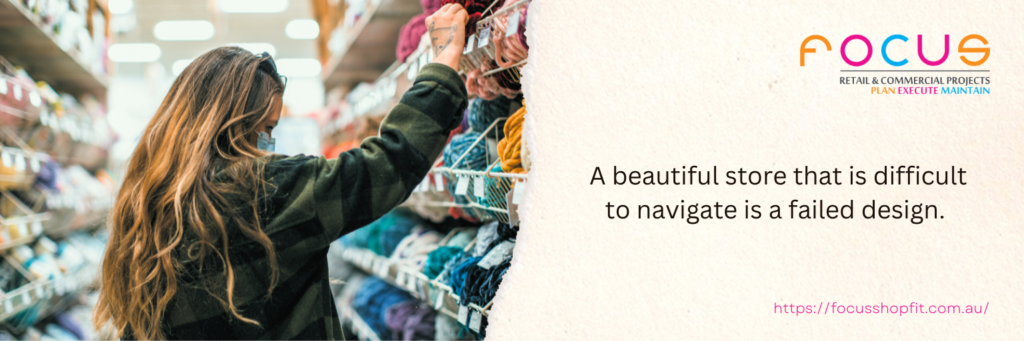
Many business owners fall in love with a particular aesthetic without considering how the space will actually function. A beautiful store that is difficult for customers to navigate or inefficient for staff to work in is a failed design. An effective store layout is critical for sales and operational efficiency.
- How to avoid it: Before finalising any designs, map out the customer journey from the entrance to the checkout. Consider staff workflow, stock movement, and accessibility. A good shopfitter will prioritise functionality alongside aesthetics. We delve deeper into this in our blog on maximising store layouts.
- Choosing the wrong project partner
Not all builders are shopfitters. Choosing an inexperienced contractor or trying to manage multiple independent trades yourself can lead to chaos. Commercial fitouts require specialised knowledge of retail regulations, materials, and project management. This is a critical tip in any shopfitting guide.
- How to avoid it: Do your research. Choose a reputable shopfitting company, such as Focus Shopfit, with a strong portfolio of similar projects. Check their references and ensure they have a dedicated project manager to be your single point of contact.
- Forgetting about lighting and atmosphere
Lighting is one of the most powerful and often overlooked tools in retail design. Poor lighting can make a space feel uninviting and make your products look dull. It is a crucial element that dictates the entire mood and atmosphere of your store.
- How to avoid it: Implement a layered lighting strategy. This includes ambient lighting for overall illumination, task lighting for areas like checkouts, and accent lighting to highlight key products or architectural features.
- Ignoring compliance and regulations
Every commercial fitout in Australia must comply with the National Construction Code (NCC), local council regulations, and accessibility standards. Ignoring these legal requirements can lead to costly fines, forced modifications, or even being unable to open for business.
- How to avoid it: Work with an experienced professional who understands the local regulations. They will ensure all plans are compliant and will manage the process of obtaining the necessary permits, saving you a major headache.
Ready to transform your commercial space? Don't let your vision remain a blueprint. The team at Focus Shopfit specialises in turning ideas into exceptional, high-functioning realities. Whether you're planning a full-scale renovation or a brand-new retail fitout, we’re here to help. Schedule a free, no-obligation consultation today by getting in touch via our contact page.

The ultimate commercial fitout checklist for business owners
Embarking on a commercial fitout is one of the most exciting and transformative steps for a business owner. It is also one of the most complex, involving dozens of critical decisions and moving parts. With so many details to manage, from initial budgets and conceptual designs to permits and contractors, staying organised is the absolute key to a successful project. This is where a comprehensive commercial fitout checklist becomes your single most valuable tool.
Effective fitout planning is the foundation upon which a successful project is built. It prevents costly oversights, minimises stressful delays, and ensures your unique vision is executed on time and within budget. Whether you are in Perth or Sydney, working with professional shopfitters in Australia is crucial, and having your own detailed checklist will empower you to be an informed, active, and confident partner in the process.
This guide will walk you through the essential stages and items to include in your commercial fitout checklist, creating a roadmap for success.
Phase 1: The planning and discovery phase (3-6 months pre-construction)
This initial stage is all about deep research, defining your vision, and setting a solid foundation for the entire project. Rushing this phase is a common mistake.
- Define your vision and goals: What is the primary business purpose of this fitout? Is it to improve customer experience, increase staff productivity, or refresh your brand identity? Write a clear mission statement for the project.
- Set a realistic budget: Research average costs for your industry and location. Crucially, you must include a contingency fund of 10-20% for unexpected expenses that can arise in any construction project.
- Assemble your professional team: This includes selecting a reputable shopfitting company, like Focus Shopfit, who can often provide a full design-and-construct service. Our guide on consulting with shopfitters provides more detail on this step.
- Conduct a thorough lease review: Before signing anything, carefully examine your lease agreement with a lawyer. Look for fitout guidelines, landlord contribution clauses, and "make good" clauses that require you to return the space to its original condition at the end of the lease.
- Complete a detailed needs analysis: List all of your operational and functional requirements. How many staff will work here? What is the ideal customer flow? How much storage is needed? What specific equipment needs power and plumbing?
Phase 2: The design and documentation phase (2-4 months pre-construction)
During this phase, your vision starts to become a tangible, actionable plan. Thorough fitout planning here is critical to avoid expensive changes later.
- Concept design and space planning: Your shopfitter or designer will create initial drawings, including detailed floor plans and layouts that optimise your space for workflow and customer experience. This is a highly collaborative step.
- Material and finish selection: Choose your flooring, lighting, paint colours, joinery finishes, and other materials that align with your brand, budget, and durability requirements.
- Detailed documentation for construction: The initial concepts are turned into highly detailed, construction-ready drawings and specifications. This includes electrical plans, plumbing layouts, and elevations. This documentation forms the instruction manual for the build.
- Obtain detailed quotes: Your shopfitter will use the detailed documentation to gather precise quotes from all necessary trades, like plumbers, electricians, and joiners.
- Lodge for approvals: Submit your detailed plans for all required approvals. This can include landlord approval and local council approvals, such as a Development Application (DA) or a Complying Development Certificate (CDC). Navigating these approvals is a key service provided by experienced shopfitters in Australia.
Phase 3: The construction and project management phase (1-3+ months)
This is where the physical transformation happens and where having a single point of contact is invaluable.
- Regular site meetings: Schedule weekly or fortnightly meetings with your project manager to track progress against the schedule, discuss any challenges, and make timely decisions.
- Services rough-in: Electricians and plumbers install all the necessary wiring, data cables, and pipes within the walls and ceiling before any surfaces are closed up.
- Finishing trades: This includes the installation of plasterboard, painting, flooring installation, and the fitting of fixtures like lights and switches.
- Custom joinery installation: Your bespoke counters, shelves, and cabinets are delivered and installed.
- Technology and security installation: Your point of sale (POS) systems, security cameras, and audio-visual equipment are installed and tested.
Phase 4: Handover and completion (1-2 weeks)
The final stage is about ensuring every detail is perfect before you open your doors. This is a critical part of your commercial fitout checklist.
- Final site clean: The entire site is professionally cleaned to remove all construction dust and debris.
- Defects inspection (snagging): Walk through the entire space with your project manager to identify any minor issues, such as a paint scuff or a misaligned handle, that need rectification.
- Receive final compliance certificates: Obtain all necessary occupancy and safety certificates from private certifiers and the council, as outlined by bodies like the Australian Building Codes Board.
- Staff training: Train your team on how to use any new equipment or systems within the new space.
- Official handover: Your project manager officially hands over the keys to your new, completed space.
Your space is the future of your brand. It is an investment in your brand's story and future success. At Focus Shopfit, we partner with ambitious businesses to create spaces that are not just built for today, but designed for tomorrow. To start your journey, contact our team for a consultation via our contact page.

The quintessential 2026 price guide for shop fitout in Australia
It is the single most common and critical question every business owner asks before embarking on a new venture or renovation: how much does a shop fitout cost in Australia? The honest answer is that there is no single price tag. The cost exists on a spectrum, influenced by a multitude of factors, from the size and condition of your space to the quality and complexity of the materials you choose.
However, the lack of a simple answer does not mean you have to plan your budget in the dark. This comprehensive guide is designed to demystify shopfitting prices in Australia and provide you with a clear framework for estimating your potential investment. We will break down the key cost factors, explore different tiers of fitouts with detailed examples, and provide a foundational commercial fitout checklist to help you plan effectively and avoid costly surprises.
The three tiers of commercial fitouts explained
To create a realistic budget, it helps to categorise shop fitout costs into three general tiers. In Australia, prices are typically calculated on a per square metre (sqm) basis.
- Basic or standard fitout ($400-800+ per sqm)
This entry-level tier is ideal for businesses that require minimal structural changes and are working with a tight budget. It is focused on cosmetic upgrades to a space that is already in decent condition.
- What it includes: Basic finishes like commercial-grade carpet tiles or vinyl flooring, standard grid ceilings, simple track lighting, and primarily cosmetic changes like a fresh coat of paint. Fixtures are typically off-the-shelf, flat-pack items.
- Best for: Small retail stores, pop-up shops, or a simple office refresh.
- Mid-range or custom fitout ($800-1,500+ per sqm)
This is the most common category for established retail stores, cafes, and modern offices seeking a unique brand identity. This tier involves a greater degree of customisation and higher quality finishes.
- What it includes: A higher degree of customisation. This could be custom joinery for your point of sale (POS) counter, engineered timber flooring, a specialised lighting design, minor structural modifications like moving an internal wall, and higher-end finishes in staff and customer amenities.
- Best for: Established retailers, hospitality venues, and corporate offices looking for a professional and branded environment. Many of our past projects fall into this category.
- High-end or luxury fitout ($1,500-3,000+ per sqm)
Reserved for premium and luxury brands, this tier represents a significant investment in bespoke design and high-end materials. The goal is to create a one-of-a-kind flagship experience.
- What it includes: Extensive bespoke joinery, imported finishes like natural stone, architecturally complex designs, significant structural work, and the integration of advanced technology (e.g., video walls, smart systems). The focus is on immaculate detail and craftsmanship.
- Best for: Luxury fashion boutiques, flagship tech stores, high-end restaurants, and corporate headquarters.
Key factors that influence shopfitting prices Australia
The final price of your fitout will depend on several key variables. As you begin planning, consider each of these factors.
- Size and location: A larger space will naturally cost more to fit out. Furthermore, labour and material costs can vary between major cities like Perth, Sydney, and Melbourne.
- Scope of works: Is it a simple cosmetic refresh of an existing space, or a complete "back to base" demolition and rebuild of an empty shell? The more complex the construction, the higher the cost.
- Site condition: Unexpected issues like the discovery of hazardous materials, the need to level a subfloor, or upgrades required to meet current building codes can add significant costs.
- Custom joinery: Bespoke shelving, unique reception desks, and custom display units create a huge impact but cost significantly more than prefabricated, off-the-shelf options.
- Professional fees: Your budget needs to account for designers, architects, engineers, and project managers who ensure the project runs smoothly and meets all regulations. According to the Australian Institute of Architects' advisory notes, these fees are a critical part of ensuring project quality.
Using a commercial fitout checklist to manage your budget
To avoid surprises, a detailed budget is crucial. As you plan, use a commercial fitout checklist to track every potential expense. Your list should include line items for:
- Design and project management fees
- Demolition and site preparation
- Plumbing and electrical work (including data cabling)
- Mechanical services like Heating, Ventilation, and Air Conditioning (HVAC)
- Flooring, walls, and ceilings
- Custom joinery and fixtures
- Painting and finishing
- Signage and branding
- Technology and security systems
- A contingency fund of at least 10-15% for unforeseen issues

The best way to determine how much does a shop fitout cost for your specific project is to engage with a professional shopfitting company like Focus Shopfit. Provide them with a detailed brief outlining your vision, operational needs, and desired materials. An experienced shopfitter can provide a detailed quote and even suggest alternative materials or methods to align the project with your budget.
Ready to transform your commercial space? The team at Focus Shopfit specialises in turning ideas into exceptional realities. Schedule a free, no-obligation consultation today by getting in touch via our contact page.
The psychology of colour in retail: How to boost sales with your palette
In today's competitive retail landscape, the physical store is more important than ever. It is a brand's embassy, a place for customers to connect with products in a tangible way that e-commerce cannot replicate. To succeed, this physical space must do more than simply be an inventory and must create an experience.
Colour is one of the most powerful and subconscious tools in creating that experience. It is a silent salesperson, a psychological shortcut that influences customer emotions, guides their journey through your store, and can ultimately drive purchasing decisions. A deep understanding of the psychology of colour in retail is a fundamental component of strategic store design and one of the most impactful retail design trends today.
For any business undertaking a new fitout, harnessing the power of colour is essential. It can set your brand apart, create a memorable atmosphere, and contribute directly to your bottom line. In the highly competitive market of shopfitting in Australia, a strategic colour palette is a powerful tool for success, transforming your space from a simple shop into a destination. This guide delves deep into the principles of colour theory and psychology, providing actionable insights for your next commercial fitout project.

The foundational science behind colour and emotion
The connection between colour and emotion is not arbitrary. It is tied to a complex mix of biology, deep-seated cultural conditioning, and personal experience. Colours trigger specific physiological and emotional responses in our brains, often processed in the limbic system, the part of the brain responsible for emotion and memory. Warm colours, such as reds, oranges, and yellows, are physically stimulating. They possess longer wavelengths, which require more energy to process, and can actually increase a person's heart rate, blood pressure, and create a sense of energy or urgency. In contrast, cool colours like blues, greens, and purples are soothing. Their shorter wavelengths are easier on the eye, fostering feelings of trust, security, and relaxation.
Leveraging these innate responses is the core of the psychology of colour in retail. By choosing a palette that aligns with your brand's core message and the specific actions you want customers to take, you create a persuasive and highly effective retail environment. This strategic approach moves colour selection from a purely aesthetic choice to a data-informed business decision, a hallmark of modern retail design trends. It is also important to consider cultural nuances. For instance, while white symbolises purity in Western cultures, it is associated with mourning in many Eastern cultures.
A global brand must consider these differences, a topic often explored by international marketing resources like the World Advertising Research Center (WARC).
Decoding the colours: A detailed guide for your retail space
Each colour carries its own set of powerful connotations. Choosing the right primary and accent colours depends entirely on your brand identity, the products you sell, and the specific demographic you are targeting.
- Reds and oranges: The action drivers
Red is the colour of energy, passion, and excitement. It is one of the most visible colours to the human eye and is proven to stimulate appetite and create a sense of urgency. This is why it is used so frequently by fast-food chains and for clearance sale signage by retailers like JB Hi-Fi.Orange is its friendlier, more accessible counterpart. It still communicates energy but is tempered with a sense of fun, confidence, and warmth. Brands like Fanta and Amazon use orange to appear accessible and positive.
-
- Best for: Food courts, clearance sections, promotional displays, call-to-action buttons, and fitness centres.
-
- Use with caution: Overuse of red can create feelings of aggression or stress, so it is often best used as a strategic accent colour within a more balanced palette.
- Blues and greens: The trust builders
Blue is one of the most popular colours for brands worldwide because it evokes feelings of trust, security, and dependability. It has a calming effect on the mind, making it an ideal choice for businesses where customers may feel anxious or are making a significant purchase, such as banks (ANZ, Westpac), medical clinics, or high-value electronics retailers.Green is universally synonymous with nature, health, balance, and tranquility. It is the easiest colour for the eye to process, making it restful. This makes it a perfect choice for wellness brands, organic food stores like Whole Foods, and any business aiming to promote an eco-friendly message. The calming properties of green can make customers feel relaxed, encouraging them to spend more time browsing in your store, a key principle in effective retail fitouts.
- Purples and pinks: Royalty and demographics
Purple has long been associated with royalty, wisdom, and creativity. It can make a space feel luxurious and imaginative. Lighter shades like lavender are calming and are often used in beauty or wellness spaces. Deeper purples suggest sophistication and are popular with brands selling anti-ageing or premium products.Pink is strongly associated with youthfulness, fun, and romance. While traditionally feminine, its use is broadening. Bright pinks are energetic, while softer, dusky pinks are sophisticated and calming.
-
- Best for: Beauty salons, high-end confectionery, creative agencies (purple), and brands targeting a young or feminine demographic (pink).
- Black, white, and greys: The sophistication palette
A monochromatic palette communicates sophistication, elegance, and modernity. Black is the ultimate colour of luxury, power, and authority, used by high-end fashion labels like Chanel and premium technology brands to convey a sense of exclusivity and quality.White suggests minimalism, cleanliness, and simplicity, famously used by Apple to create a sense of space and focus on the product.Greys act as a perfect neutral, conveying balance, professionalism, and timeless style. When used thoughtfully by professional shopfitters in Australia
Applying colour psychology: The 60-30-10 rule in your fitout
Knowing what individual colours mean is only the first step. The application within your commercial space is where strategy truly comes into play. A proven method used in interior design is the "60-30-10 Rule."
- 60% dominant colour: This is the main colour for your space, likely a neutral or a soft shade that covers about 60% of the area, including most of the walls. It sets the overall tone and acts as a backdrop for everything else.
- 30% secondary colour: This colour is used for about 30% of the space. It should be different enough to create contrast and interest. This might be used on a feature wall, for furniture, or in key display areas.
- 10% accent colour: This is the boldest colour, used for about 10% of the space. It is used to create visual focus and draw the eye to specific areas, like promotional signage, cushions, or key pieces of decor. This is where you would strategically use a colour like red for a call to action.
This rule provides a framework for creating a balanced, professional, and visually appealing space that effectively uses the power of the psychology of colour in retail. A well-planned colour scheme is a foundational element of your store’s design.
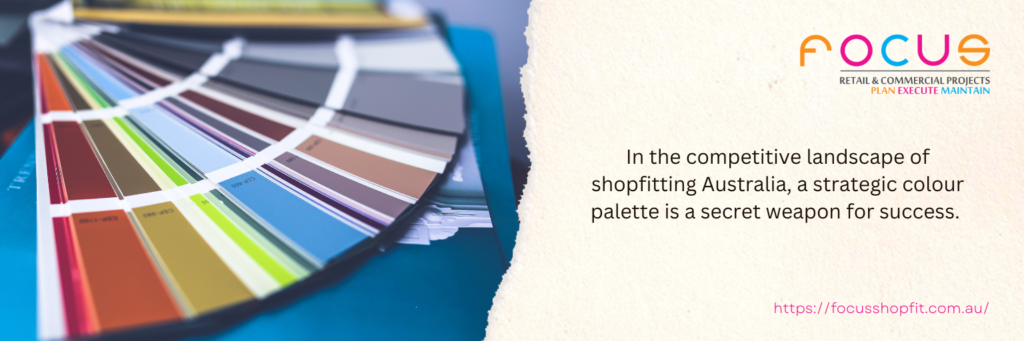
When approached with a clear understanding of its psychological impact, it can transform a simple retail space into a powerful sales environment. The team at Focus Shopfit has extensive experience in creating colour strategies that align with our clients' brands and business goals.
Inspired to create something amazing? Seeing what’s possible is the first step. At Focus Shopfit, we’ve helped businesses across Australia create stunning environments that drive sales and enhance customer experience. To discuss how we can bring your vision to life, contact us today.
Shopfitting ideas to master the post-holiday returns experience
For Australian retailers, the holiday rush may be over, but the customer experience is far from finished. January brings the inevitable surge of post-holiday returns and exchanges. While often seen as a necessary evil, this period offers a vital, final chance to capture a customer's loyalty and secure future sales. The secret lies in your retail fitout—specifically, how you design the returns and customer service area.

Moving the returns process out of the main checkout queue and into a dedicated, well-designed zone transforms a negative experience into an opportunity for upselling and brand building. It’s time to move shopfitting focus from just sales displays to creating an exceptional customer service station.
Check out these ideas to make the period as seamless for your customers as it is for your staff.
- The dedicated resolution zone
The first and most critical shopfitting step is physical separation. Integrating returns into the main cash wrap queue creates frustration for both customers and staff, slowing down everyone.
- Separate service counter: Install a dedicated customer service counter, distinct from the primary point-of-sale (POS) systems. This counter should be clearly signed—perhaps labelled "Customer Care & Exchanges"—and positioned in a low-traffic area, perhaps near the store entrance or a quiet corner. This simple change drastically reduces queue anxiety and allows staff to handle complex return issues without holding up paying customers.
- Privacy and comfort: Design the space with a more inviting, less transactional feel. Use comfortable joinery, perhaps a warmer timber finish than the main checkouts, and include seating or a small table for customers to review paperwork. The atmosphere should feel private and resolution-focused.
Equip this dedicated area with discreet digital screens that play engaging but non-intrusive brand content, or showcase new arrivals, subtly nudging the customer back into a shopping mindset.
- Strategic display for re-engagement
The moment a refund is processed is your golden opportunity to encourage a new purchase. The design of your customer service station should be a deliberate mechanism for re-engaging the shopper.
- Impulse display: The returns counter itself should feature high-margin, small, or irresistible impulse purchase items. Think low-cost accessories, unique local treats, or gift cards. These items are quick decisions that require minimal browsing.
- Exchange zone: Directly adjacent to the returns area, incorporate a small, curated visual merchandising display. This should feature new-season items or popular complementary products to what the customer has just returned. If they are returning clothing, display scarves and jewellery. If it is an electronics item, show off the latest protective cases. The goal is to make the transition from returning to buying seamless.
Use dynamic lighting to highlight the displays, drawing the customer's eye immediately after their transaction is complete. The focus must be on new value, not just the returned item.
- Staff experience and operational flow
A successful returns process hinges on efficient staff. Your retail fitout needs to support their ability to provide exceptional service under pressure.
- Ergonomic design: Ensure the service counter has sufficient counter space for paperwork, product inspection, and computer work. Poorly designed back-of-house areas or cramped counter space lead to staff stress and slower processing times.
- Integrated technology: The service desk must be fully equipped with POS terminals, scanners, and, crucially, access to real-time stock and order history. This omnichannel capability allows staff to quickly process exchanges or order a replacement size from another store or warehouse, turning a return into an immediate, satisfactory resolution.
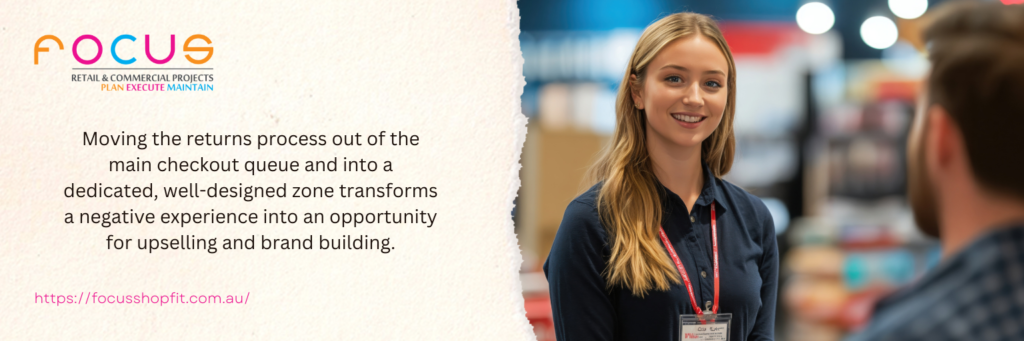
The post-holiday returns period is a reality of modern retail. By strategically redesigning this touchpoint with a dedicated, comfortable, and sales-oriented customer service station, Australian retailers can transform a moment of potential disappointment into a significant opportunity for building lasting loyalty and securing those vital, secondary sales.
Seeing what’s possible is the first step. At Focus Shopfit, we’ve helped businesses across Australia create stunning environments that drive sales and enhance customer experience. Explore our portfolio to see the quality and craftsmanship we bring to every project. Get in touch with us today.
January maintenance checks you must do to prevent major fitout disasters
January in Australia means one thing for retailers: the holiday rush is finally over, but the summer heat is just getting started. After weeks of relentless foot traffic, long trading hours, and staff fatigue, your retail fitout is likely showing signs of serious wear and tear.

Ignoring the post-holiday damage is a direct route to costly, disruptive failures later in the year. January becomes the most critical period for preventative maintenance to ensure your store remains a safe, attractive, and efficient place to do business. A small check now can prevent a major, sales-killing disaster during your next busy period.
Here’s a quick checklist to get you started!
- Structural and safety audits
The sheer volume of shoppers during December puts immense stress on every part of your store's infrastructure. This high-use period often exposes weaknesses that were previously hidden, particularly in the structure of your shopfitting.
- Shelving and joinery: Inspect all wall units, gondolas, and display fixtures. Look for loose screws, wobbly brackets, or signs of bowing under load. Any structural compromise is a major safety risk. For change rooms, check that all hooks and mirrors are secure.
- Flooring and pathways: High traffic causes wear. Check for lifting vinyl, cracked tiles, or trip hazards in carpeted areas. Promptly addressing these issues is crucial for customer safety and to avoid potential liability claims.
- Signage and visual merchandising: Remove all holiday signage. Crucially, check that any heavy, suspended elements used for festive displays are properly removed and that their fixing points in the ceiling or walls are repaired to avoid future instability.
What’s next? Create a simple 'red tag' system. Any staff member spotting a wobbly shelf or broken fixture places a red tag on it, instantly taking it out of service until a professional fitter can assess the damage.
- HVAC and electrical systems
Australia’s summer heat makes HVAC (heating, ventilation, and air conditioning) reliability non-negotiable. A broken air conditioner in February can shut down a store. January is the ideal time for an essential technical preventative maintenance check.
- Air conditioning service: Engage a licensed technician for a full service. Clean or replace filters, check refrigerant levels, and inspect coils. Overworked units consume far more energy, leading to massive power bills. Regular servicing ensures maximum efficiency and longevity.
- Electrical load assessment: The temporary lighting and point-of-sale additions over the holidays may have stressed your circuits. Check for flickering lights, warm power points, or tripped breakers. Ensure all permanent display lighting—especially expensive LED tracks—is checked for loose wiring or connection issues. This greatly reduces the risk of an electrical fire or system failure.
Remember to document all maintenance work, including filter changes and electrical inspections. This creates a valuable history that helps identify recurring issues and proves due diligence for insurance purposes.
- Display technology and shopfitting flexibility
Modern retail relies on technology integrated directly into the fitout, from digital screens to charging points. The post-holiday period is the time to check that these investments are still performing.
- Digital display integrity: Check that all screens, menu boards, and digital signage are fully operational, free of damage, and running the latest content. Ensure mounting brackets and concealment of cables are still neat and secure after the rush.
- Modular system functionality: If you use a modular or flexible shopfitting system (common in fashion and electronics), verify that all components still lock together correctly. The constant movement of display units during the holiday resets can cause wear on locking mechanisms, compromising their stability. Repairing these elements now is vital before the next major visual merchandising change.

For Australian retailers, January is the clean-up and recovery phase, but it’s fundamentally an investment in future stability. Prioritising a detailed preventative maintenance schedule for your retail fitout right now is the simplest, most cost-effective way to avoid operational slowdowns and major expenditure for the rest of the year. Don't wait for a wobbly shelf or a failed air conditioner to force your hand—be proactive.
A commercial fitout is a significant undertaking, but you don't have to navigate it alone. The experienced team at Focus Shopfit is here to provide clarity and guide you through every step. Get in touch with us today.