
The benefits of professional retail fitout project management
Why fitout project management matters
A commercial fitout is a complex and high-stakes undertaking. It involves coordinating dozens of moving parts, from designers and suppliers to a multitude of specialised trades, all while navigating strict timelines, budgets, and regulatory requirements. For a business owner, attempting to manage this intricate shopfitting process while also running their business can be overwhelming and lead to costly mistakes. This is where professional retail fitout project management becomes one of the most valuable investments you can make.
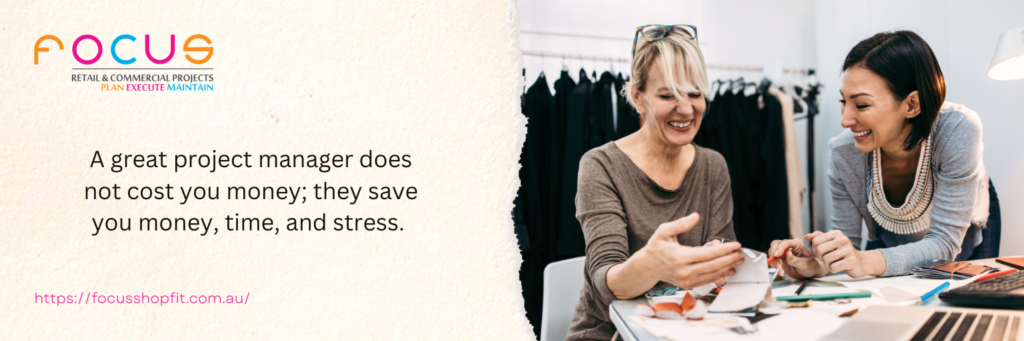
While some may view hiring a project manager as an additional expense, experienced retailers understand the truth: a great project manager does not cost you money; they save you money, time, and stress. Unlike general commercial builders, a specialist shopfitting project manager brings industry-specific expertise that ensures your project is delivered to the highest standard, on schedule, and on budget.
Let's break down the tangible benefits they bring to the table.

Cost control and scope clarity
One of the biggest fears in any construction project is a budget blowout. A professional project manager (PM) is your first line of defence against unexpected costs.
- Accurate quoting and trade tendering: Experienced PMs have established relationships with a network of reliable and competitively priced tradespeople. They can obtain multiple, detailed quotes and ensure there are no hidden costs.
- Scope management: The PM ensures that the project sticks to the agreed-upon scope of works, preventing scope creep where small, unbudgeted additions slowly inflate the total cost.
- Value engineering: A skilled PM can often suggest alternative materials or construction methods that achieve the same aesthetic and functional goals for a lower cost, without compromising on quality. This financial oversight is a core function of professional retail fitout project management.
Timeline protection and trade coordination
In retail, time is money. Every day your store is closed for a fitout is a day of lost revenue. A project manager's primary responsibility is to ensure the project is completed as quickly and efficiently as possible.
- Master scheduling: The PM creates a detailed master schedule, often using tools like Gantt charts, that maps out every single task. More importantly, they understand the sequence of critical tasks that determine the project's total duration.
- Trade coordination: A fitout requires a precise sequence of trades. The electrician cannot wire the walls after the plasterer has finished. The PM orchestrates this complex dance, ensuring each trade is on site at exactly the right time, preventing costly downtime and delays. A clearer view of this coordination is outlined in the essential guide to consulting with shopfitters.
Quality control on site
A project manager acts as your expert eyes and ears on site. They are solely focused on ensuring the quality of the workmanship meets the highest standards and matches the design specifications.
- On-site supervision: PMs conduct regular site inspections to oversee the work of all trades, catching potential issues before they become major problems.
- Material verification: They ensure that the materials being used on site are the exact ones specified in the design documents, preventing substitutions with lower-quality alternatives. Many professional bodies, like the Australian Institute of Project Management (AIPM), provide certification that attests to a PM's expertise in this area.
Compliance and safety
Commercial fitouts are governed by a web of regulations, from building codes to workplace health and safety (WHS) standards. A PM navigates this complex landscape on your behalf.
- Permits and approvals: They manage the entire process of lodging plans and obtaining the necessary permits from local councils and building certifiers.
- WHS compliance: The PM is responsible for ensuring the work site is safe and compliant with all workplace health and safety (WHS) requirements, protecting you from potential liability. Experienced commercial builders and project managers make this a top priority.
Less stress, clearer communication
Perhaps the most underrated benefit of retail fitout project management is the peace of mind it provides. Instead of juggling calls from a dozen different tradespeople, you have one single, accountable point of contact. The PM provides you with regular, consolidated updates and handles all the day-to-day problem-solving, freeing you up to focus on what you do best: planning for the launch of your new store.
Focus Shopfit integrates this level of professional management into every project, ensuring a seamless client experience. A practical view of what build coordination and handover typically includes is outlined here: build and handover approach.
An investment in professional project management is an investment in certainty. It provides certainty on cost, timeline, and quality, turning a potentially chaotic process into a structured and predictable journey. Ready for a seamless and stress-free fitout? Focus Shopfit's dedicated project management team is ready to take the lead on your next project. to learn more about our process.


5 shopfront designs that will stop customers in their tracks
Why shopfront design matters
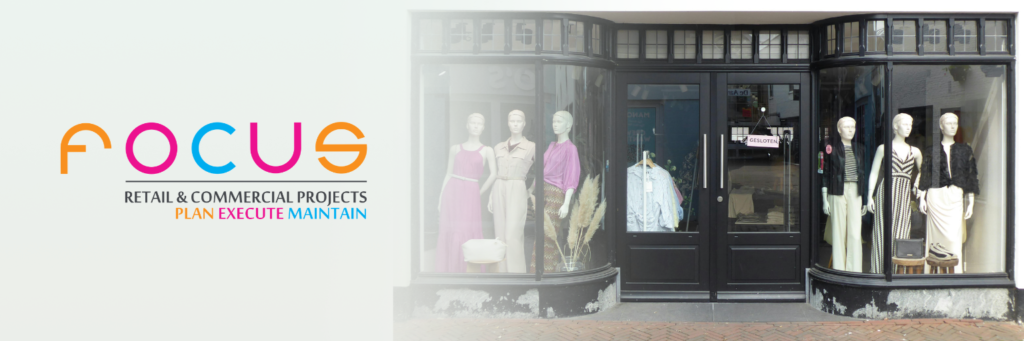
In the bustling world of physical retail, the battle for customer attention begins on the footpath. Before a customer can experience your product, your service, or your brand's atmosphere, they must first be compelled to walk through your door. Your shopfront is the single most important piece of marketing real estate you own. It is your first handshake, your 24/7 advertisement, and the cover of your brand's storybook. A strategic and compelling shopfront design is not merely an aesthetic choice; it is a critical business tool that drives foot traffic and sets the stage for the entire customer experience across commercial fitouts.
Effective retail design considers the shopfront as an integral part of the customer journey, not just a decorative facade. It must communicate your brand identity, hint at the experience within, and create a sense of intrigue that turns a passerby into a potential customer. The team at Focus Shopfit has seen firsthand how a well-executed shopfront can transform a business's fortunes. See how different facade approaches translate into real builds across recent fitout work.
Minimalist shopfronts for premium brands
The minimalist approach to shopfront design is built on the principle that less is more. It uses clean lines, uncluttered compositions, high-quality materials, and often a monochromatic colour palette to create a sense of sophistication and exclusivity. This style strips away all non-essential elements, forcing the focus onto a single, hero product or a powerful branding element.
Key elements: Frameless floor-to-ceiling glass, concealed lighting, natural materials like stone or polished concrete, and a significant use of negative space. Signage is often subtle, perhaps an elegantly backlit logo or a simple, refined font.
Psychology: This design communicates confidence and quality. By not shouting for attention, it suggests that the products within are so exceptional, they speak for themselves. It appeals to a discerning customer who values craftsmanship and an uncluttered aesthetic.
Best for: High-end fashion boutiques, luxury jewellers, art galleries, and premium technology stores. The iconic Apple Store is a global example of this philosophy in action.
Biophilic shopfronts that draw people in
Biophilic design, which incorporates natural elements into architecture, is a major trend in modern wellness and retail design. A biophilic shopfront uses living plants, natural materials, and organic forms to create a calming, inviting, and vibrant facade. For a practical framework of the patterns behind this approach, 14 Patterns of Biophilic Design is a useful reference point.
Key elements: Living green walls, large planters with lush foliage, natural timber cladding, stone textures, and large windows that blur the line between inside and out.
Psychology: This approach taps into our innate connection to nature, creating a sense of tranquility and well-being. It signals that the brand is healthy, sustainable, and authentic. In a harsh urban environment, a green oasis is a powerful magnet for attention and provides a welcome visual rest. This aligns with the principles explored in our guide to sustainable shopfitting.
Best for: Wellness brands, organic cafes, florists, eco-conscious retailers, and any business wanting to project a fresh and natural identity.
Interactive shopfronts with digital impact
This type of shopfront design uses technology to create a dynamic and engaging experience. It moves beyond static displays to create a facade that can change, react, and communicate in real-time.
Key elements: High-resolution Light-Emitting Diode (LED) screens, interactive touch displays, projection mapping onto the glass or building facade, and integrated audio.
Psychology: An interactive front creates a sense of excitement and modernity. It provides an opportunity for retailtainment, drawing customers in with movement and novelty. It also allows for unparalleled flexibility, enabling a store to change its entire window display from a new product launch to a seasonal promotion with the click of a button. A deeper look at practical fitout considerations sits in our piece on integrating technology into your fitout.
Best for: Sportswear brands, electronics stores, entertainment retailers, and any brand targeting a younger, tech-savvy demographic.
Art-led shopfronts that spark curiosity
This approach treats the shopfront not as a window, but as a stage or an art gallery. It uses bold, artistic, and often abstract installations to create a powerful visual statement that piques curiosity.
Key elements: Custom sculptures, dramatic lighting effects, bold colour blocking, and collaborations with local artists. The focus is less on displaying specific products and more on creating a memorable and shareable visual moment. Major brands often use this approach, as documented in design publications like Frame Magazine.
Psychology: An artistic shopfront signals creativity, innovation, and confidence. It makes the brand feel culturally relevant and interesting. It generates intrigue, making people stop and wonder what kind of unique experience awaits them inside. It is also highly Instagrammable, encouraging social media sharing and user-generated marketing.
Heritage shopfronts that build trust
For businesses located in historic buildings, the best approach is often to honour and enhance the existing architecture. This design leverages the character and authenticity of the building itself to create a sense of permanence and timeless quality.
Key elements: Restoring original brickwork or tiles, using classic signage techniques like hand-painted lettering or gold leaf, and installing elegant awnings. The window display itself might be more traditional, showcasing products in a refined, curated manner.
Psychology: This style communicates stability, tradition, and craftsmanship. It suggests that the business has a long-standing commitment to quality. It can create a warm, nostalgic, and trustworthy impression that is particularly effective for artisanal or heritage brands.

Your shopfront is your first and best opportunity to make an impression. Choosing the right design direction requires a deep understanding of your brand, your customer, and your location. It also helps to map the shopfront direction to the practical requirements of commercial fitouts so the concept can be delivered cleanly on site.
Feeling inspired to create a shopfront that truly represents your brand? Our team at Focus Shopfit specialises in crafting unique and effective retail facades. Let's discuss your vision by getting in touch through our contact page.
Pop-up shop design: A guide to temporary and flexible retail fitouts in Australia
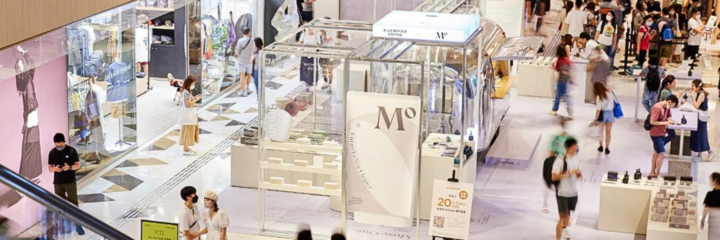
Pop-ups are a smart way to test locations, launch product drops, build community, and create content that lives beyond the trading period. The brands doing it well treat the space like a real retail environment, even if it is open for only a few days or weeks. That is where strong pop-up shop design meets practical delivery.
This guide covers the decisions that make temporary activations feel premium and organised, including layout, materials, lighting, and pack-down planning. If you are considering short-term leasing, markets, or centre kiosks, these steps will help you move faster with fewer mistakes.
Why pop-ups work in 2026
A pop-up allows you to trade in high-foot-traffic areas without committing to a long lease. It can also create urgency, which supports conversion and social sharing. Many brands also use pop-ups as research. You can test pricing, merchandising, and product mix while getting real customer feedback.
For a broader look at pop-ups and activation formats, this Shopify pop-up shop guide explains common pop-up models and how brands typically approach location selection.
- Start with a space-first plan, not a moodboard
Great pop-up shop design starts with constraints. You need to know the footprint, the access path for bump-in, ceiling height, power supply, and any centre rules around signage and fixing points.
Once those basics are set, you can design a layout that supports your most important customer actions. That might be sampling, browsing hero products, paying quickly, or creating a photo moment that encourages sharing.
If you are designing a compact retail footprint, Focus Shopfit’s guide to shop design and layout planning is a useful reference for circulation and display placement decisions.
- Build a layout that can handle rush periods
Pop-ups often face uneven demand. You might be quiet for an hour and then packed for twenty minutes after a social post goes live. Layout matters because small bottlenecks can cost real sales.
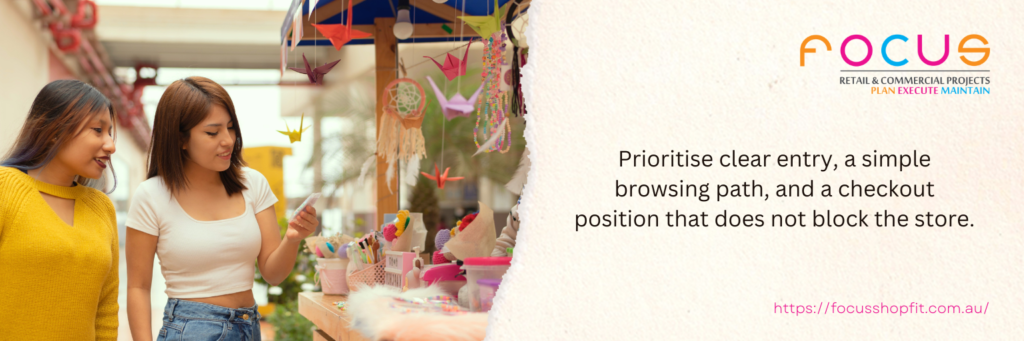
Prioritise clear entry, a simple browsing path, and a checkout position that does not block the store. If stock is limited, keep back-up inventory close without turning your pop-up into a storeroom.
- Choose fixtures designed for speed and reuse
The biggest difference between polished pop-ups and rushed ones is fixture strategy. For temporary retail fitouts, you want components that assemble fast, travel well, and still look finished in photos. This is where modular shopfitting becomes your advantage. Modular elements can be reconfigured across locations, which means you can adapt to different footprints without rebuilding everything from scratch.
If you want ideas on flexible fitout systems, this internal article on modular shopfitting benefits covers why modular builds support faster resets and more consistent brand presentation.
- Lighting and branding that looks good on camera
Pop-ups succeed when they photograph well. That does not require expensive lighting, but it does require intent. Use even lighting across hero areas, reduce glare, and highlight texture so your space reads clearly on mobile screens.
Colour also plays a role. If your brand has strong colours, plan how they appear under different lighting temperatures so product colours do not shift unpredictably. For practical guidance on colour choices that influence shopper behaviour, this guide to retail colour psychology can help you select a palette that supports your product category and mood.
- Compliance and permits for short-term retail
Even temporary spaces still have rules. Depending on where you trade, you may need approvals for signage, food sampling, temporary electrical, or public liability documentation. If you are trialling weekend trade in markets or events, the Australian Government’s guide on setting up a market stall is a useful overview of typical registrations and licence considerations. For centre-based pop-ups and short leases, it also helps to keep your documentation organised early. These permit considerations apply just as much to temporary retail fitouts as they do to permanent stores.
- Plan for bump-in and pack-down before you build
A pop-up is won or lost in logistics. Your best design is useless if it cannot be installed quickly within access windows or transported safely between locations. Before you fabricate anything, document how each component travels, how it assembles, what tools are needed, and where waste is removed. This reduces stress on opening day and protects your finishes.
If you want a practical example of flexible store resets, this article on reconfiguring a retail fitout quickly shows how modular elements can support a fast turnaround between seasonal themes.
- Cost planning for pop-ups that scale
Pop-ups can be cost-effective, but only if you design for reuse. Spending more on modular fixtures can be smarter than buying cheap one-off items that look tired after a single activation. This 2026 fitout pricing reference provides a helpful benchmark for comparing low, mid, and premium outcomes, including options suitable for pop-up builds.
A pop-up should feel like a brand, not a booth
The strongest pop-ups feel cohesive because the layout, fixtures, and signage all support a clear story. You are not filling a space. You are guiding people through a short experience that ends in action.
That is why pop-up shop design works best when it combines speed with quality. With the right modular shopfitting plan, you can deliver consistent brand presence across different sites while keeping installation time under control.
If you are planning a pop-up activation and want it to feel premium, Focus Shopfit can help you create temporary builds that are fast to install and ready to reuse. Reach out via the contact page to talk through your concept, footprint, and launch timeline.

A look inside a high-end medical fitouts in Perth
A high-end clinic is more than a polished reception desk and a clean colour palette. The best spaces feel calm, intuitive, and efficient for both patients and staff, even when the schedule is packed.
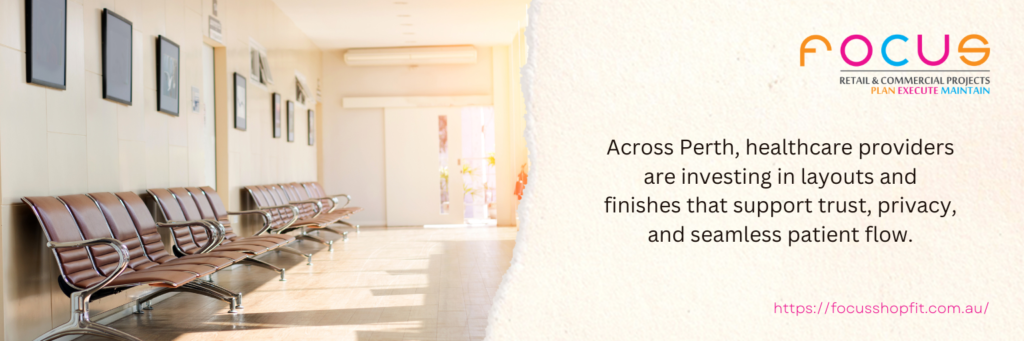
Across Perth, healthcare providers are investing in layouts and finishes that support trust, privacy, and seamless patient flow. These details are what set premium medical fitouts in Perth businesses commission apart from basic refurbishments.
This guide walks through what you would typically find inside a well-executed clinic fitout, plus the planning choices that make the space work in day-to-day operations. It is designed to be practical, so you can use it when briefing your designer, builder, or landlord.

What makes a medical fitout feel high-end
Luxury in a clinic is not about being flashy. It is about creating a space that feels safe, quiet, and well-managed. Patients notice simple signals like a clear check-in area, comfortable lighting, and privacy at the front desk. Staff notice different signals, such as storage that is actually accessible, consult rooms that support workflow, and back-of-house zones that prevent congestion. Great healthcare design often looks effortless because the hard thinking happened during clinical fitout planning.
Zoning that protects privacy and keeps flow efficient
One of the biggest differences between average and premium fitouts is zoning. A high-end clinic is typically organised around a simple question. What should a patient see, hear, and experience at each step of their visit? A strong zoning plan usually separates public areas from clinical areas and staff-only routes. That can include a reception and waiting space designed to reduce crowding, consultation rooms that feel private, and staff movement paths that do not cut through patient zones.
If you are designing for multiple services, zoning also supports clearer wayfinding. It helps patients arrive at the right room without feeling lost, rushed, or exposed.
Reception design that balances welcome and confidentiality
Reception is often the most emotionally loaded part of the clinic experience. People may arrive anxious, unwell, or time poor. A premium reception zone reduces friction from the first interaction. This can involve a check-in point that avoids direct eye contact with the waiting area, acoustic treatments that soften voices, and seating layouts that reduce face-to-face crowding. In terms of finishes, premium clinics often prefer durable surfaces that still feel warm, such as textured laminates, engineered stone, and joinery details that avoid a sterile look while remaining easy to maintain.
Consult rooms designed around real clinical tasks
A consult room should support the work, not force the clinician to adapt. High-end clinics design each room around the procedures and equipment used daily, then refine the details for patient comfort. This is where clinical fitout planning becomes a cost saver. When power points, sink locations, equipment storage, and staff circulation are mapped early, you reduce rework and protect your programme.
Many providers also choose consistent room layouts across consult rooms. This supports staff training, reduces errors, and makes supplies easier to manage.
Lighting that supports comfort and clinical accuracy
Lighting is a major part of patient comfort and clinical visibility. Premium medical fitouts in Perth clinics typically use layered lighting so each space can shift between calm ambience and practical task clarity. That may include softer ambient lighting in waiting areas, focused task lighting in treatment rooms, and glare control near mirrors and glossy surfaces.
For broader guidance on safe and functional health facility layouts, the Australasian Health Facility Guidelines are a useful reference for room planning and healthcare project considerations.
Finishes that look premium and stay practical
In healthcare, finishes must handle cleaning, traffic, and wear. The premium difference comes down to choosing materials that perform under pressure while still looking refined. Common upgrades include more resilient flooring transitions, wall protection in high-contact zones, and joinery detailing that hides gaps where dust collects.
If you are weighing finish tiers and how they affect your project budget, this 2026 shopfit cost guide is a helpful benchmark for comparing outcomes across different investment levels.
Back-of-house spaces that protect staff time
High-end clinics often invest more in areas patients never see, because that is where staff efficiency is won or lost. Storage, staff rooms, clean utility areas, and admin zones reduce bottlenecks and support consistent service delivery.
A well-designed storage wall, for example, can remove dozens of small interruptions across a day. It also improves inventory control and reduces visible clutter in consult rooms. This level of detail is easiest to deliver when the site is managed as a coordinated project. Focus Shopfit’s team takes a structured approach to project-managed fitout delivery, so clinical layouts and services coordination stay aligned during installation.
Compliance and accessibility planned from the start
Premium outcomes come from fewer late changes. Accessibility, fire safety scope, and service requirements should be addressed early, particularly where tenancy conditions or centre rules may affect the build.
For businesses that want to understand the documentation that usually sits alongside commercial works, the overview on permits, zoning, and approvals provides a plain-English snapshot of common triggers.
A premium patient experience is built in small moments
The final difference comes down to touchpoints. It is the quiet waiting area layout, the well-placed signage, the door hardware that feels solid, and the acoustics that stop consult conversations travelling. In modern healthcare design, these choices support brand trust just as much as clinical capability. Patients may not describe every detail, but they feel the difference immediately.
When you approach medical fitouts in Perth clinics commission with a patient-led lens and a staff-led workflow plan, you create a space that performs over time, not just on opening day.
If you are planning a new clinic or upgrading an existing space, Focus Shopfit can help you translate your service model into a buildable fitout plan. Get in touch via the contact page to discuss timelines, scope, and the level of finish that suits your brand.
How to integrate digital displays and tech into your retail fitouts in Australia
The modern retail landscape in Australia has fundamentally changed. Today's customer journey fluidly moves between online and offline worlds, and their expectation is for a seamless, engaging, and personalised experience wherever they go. This shift requires retailers to think of their physical stores not just as places of transaction, but as dynamic media hubs.
Integrating retail technology has become a critical component of modern shopfitting and a key to creating a relevant and future-proof customer experience. In today’s retail environment, a successful fitout is an ecosystem where the physical and digital seamlessly merge.
How digital displays change in-store communication
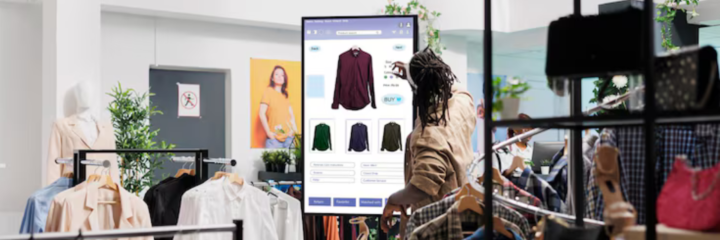
The most visible aspect of this integration is the use of digital displays into retail fitouts in Australia. However, the strategy goes far beyond simply hanging a television screen on a wall. It involves a thoughtful approach to how technology can solve problems, enhance branding, and create memorable moments for your customers.
When planned correctly, digital displays can revolutionise the way you communicate with your customers inside your store. Their flexibility and dynamic nature offer significant advantages over traditional static signage.
- Dynamic signage and brand storytelling: Instead of costly and wasteful printed posters, digital screens can showcase an endless loop of promotions, new arrivals, and lifestyle videos. A fashion boutique can display footage from a runway show, while an outdoor adventure store can show stunning videos of its products in action. This creates an immersive atmosphere that captures attention and communicates the brand's story far more effectively than a static image ever could.
- Interactive kiosks and the endless aisle: A common challenge for physical stores is limited floor space. Interactive kiosks effectively solve this by providing an "endless aisle". Customers can use a touchscreen to browse your entire product catalogue, check stock levels in other stores, or even place an order for home delivery. This integration of e-commerce within the physical store prevents lost sales and provides a valuable customer service tool.
- Video walls for high-impact experiences: For a true 'wow' factor, nothing beats a large-scale video wall. Placed at the entrance or behind the main counter, a video wall can serve as a powerful architectural feature and a stunning backdrop. It can display abstract atmospheric content, bold branding, or even synchronised marketing campaigns, creating a memorable and highly shareable focal point in your store. The planning of such features is a key part of modern shopfitting.
Why technology must be planned early
One of the biggest mistakes retailers make is treating technology as an add-on after the fitout is complete. This inevitably leads to messy cables, awkward placement, and compromised functionality. Successful integration of retail technology must be planned from the earliest stages of the design process.
As we note in our guide on preparing your retail store before shopfitting, a detailed plan is essential. Your shopfitter needs to account for critical infrastructure requirements. This includes running sufficient power and data cabling to all the right locations, ensuring there is adequate ventilation for hardware that generates heat, and incorporating the necessary structural supports in walls and ceilings to safely mount heavy screens. Companies like Samsung and LG are constantly innovating in this space with thinner and lighter commercial displays, but the core infrastructure needs remain.
Smart store systems that improve operations
A truly smart store uses a range of technologies working in concert. While digital displays are customer-facing, other tech works behind the scenes to improve efficiency and gather valuable data.
- People counters and analytics: Small, discreet sensors at your entrance can provide invaluable data on foot traffic patterns. This helps you understand peak hours, measure the effectiveness of marketing campaigns, and make data-driven decisions about staffing.
- Modern point of sale (POS) systems: Clunky, stationary cash registers are a thing of the past. Modern POS systems are often tablet-based, allowing staff to process transactions from anywhere on the floor, reducing queues and creating a more personal checkout experience.
- Augmented reality (AR): For industries like fashion and beauty, AR is a game-changer. "Magic mirrors" can allow customers to virtually try on different outfits or makeup looks, creating a fun, interactive, and highly personalised experience. As reports from firms like McKinsey & Company show, AR is becoming a significant driver of customer engagement.
Bringing physical and digital together
The future of retail is a thoughtful blend of physical and digital. The team at Focus Shopfit has the expertise to help you plan and execute a modern shopfitting project that seamlessly integrates the technology you need to thrive.
Looking to create a future-proof retail experience that engages and excites your customers? We are here to help! Reach out to our team through our contact page to discuss how we can integrate cutting-edge technology into your next fitout.
The role of custom joinery in Perth to create a unique retail space
In the world of retail, differentiation is everything. With countless stores competing for attention, creating a distinct and memorable brand experience is paramount. While product, service, and marketing play their parts, the physical environment of a store is the stage where the brand story comes to life.
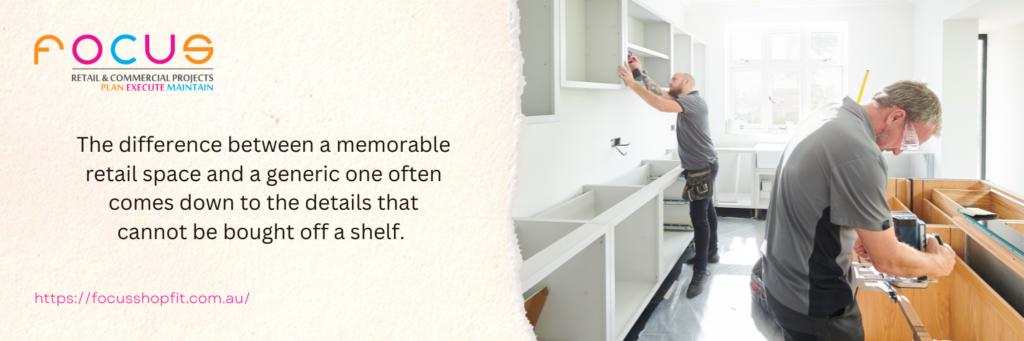
This is where custom joinery in Perth makes its entrance, transforming a standard retail space into a bespoke, functional, and deeply personal brand statement. The difference between a memorable retail space and a generic one often comes down to the details that cannot be bought off a shelf.
Unlike flat-pack or mass-produced fixtures, bespoke shopfitting involves designing and crafting items specifically for a single space and purpose. It is a collaborative process between a business owner and a skilled shopfitter to create pieces that are perfectly tailored to the brand's aesthetic, operational needs, and customer journey. From a unique point-of-sale counter to intricate product displays, custom joinery is the key to unlocking a store's true potential.
Built for your tenancy, not a standard floor plan
While the visual impact of custom work is its most obvious benefit, its functional advantages are just as powerful. Standard fixtures are designed for average spaces and average needs, which rarely exist in reality. Bespoke shopfitting solves the unique challenges and capitalises on the unique opportunities of your specific tenancy.
One of the greatest strengths of custom work is its ability to maximise every square centimetre of your floor plan. Retail spaces often have awkward corners, low ceilings, or structural columns that can disrupt the flow and create dead zones. Custom joinery can turn these liabilities into assets. An oddly shaped corner can become a perfectly fitted wrap-around display unit, while the space under a staircase can be transformed into elegant, integrated storage. This meticulous space planning is a core tenet of effective retail design.
Displays that match your product and improve sales flow
Furthermore, custom joinery allows for the creation of product displays that are perfectly suited to what you sell. A jeweller requires shallow, well-lit, and secure displays, while a boutique clothing store needs a combination of hanging space, shelving, and feature tables. With custom solutions, you can specify the exact dimensions, materials, and integrated lighting needed to make your products shine. This level of detail ensures your merchandise is presented in the best possible way, directly impacting customer perception and sales. It also significantly improves the daily operations for your team, a concept explored in our article on shopfitting for staff workflow and reducing injury risk.
Joinery as a brand storytelling tool
Your retail fitout is a three-dimensional story, and custom joinery provides the narrative detail. The materials, shapes, and finishes you choose can communicate your brand's values without a single word. A brand focused on sustainability, for instance, can use reclaimed local timber in its joinery, creating an immediate and authentic connection to its ethos. You can find inspiration for these unique material choices in Australian design publications like The Design Files.
This storytelling extends to the subtlest details. The precise curve of a reception desk, the unique pattern routed into a wall panel, or the seamless integration of your brand's logo into a shelving unit are all elements of bespoke shopfitting that build a cohesive and memorable brand world. This is what separates a simple transaction from a genuine brand experience. The team at Focus Shopfit works closely with clients to translate their brand identity into tangible, beautifully crafted joinery that serves as a powerful focal point.
Long-term value that holds up in busy retail environments
Custom joinery in Perth indeed requires a greater upfront investment than off-the-shelf alternatives. However, it should be viewed as a long-term investment in your brand's durability and appeal. Mass-produced furniture is often made with lower-quality materials and designed to fit fleeting trends. Custom joinery, by contrast, is built to last. Crafted by skilled tradespeople using high-quality, durable materials, these pieces are designed to withstand the rigours of a commercial environment for years to come.
This durability translates into a lower total cost of ownership, as you will not need to frequently repair or replace worn-out fixtures. As we discuss in our guide on how to maintain your store's fitout, quality construction is the first step towards longevity. Moreover, a well-designed custom piece has a timeless quality that will not look dated in a few years, ensuring your investment continues to pay dividends in brand perception and functionality.
Creating a space that feels uniquely yours
Your retail space deserves to be as unique as your brand. By embracing custom joinery, you move beyond the generic and create an environment that is not only beautiful and functional but also a true reflection of your vision.
If you are ready to explore how custom joinery can elevate your retail space, the team at Focus Shopfit is here to help. We specialise in creating unique, high-quality bespoke pieces that bring brands to life. Contact us today to schedule a consultation and start your design journey.
Navigating council approvals for your fitout in Sydney vs. Melbourne
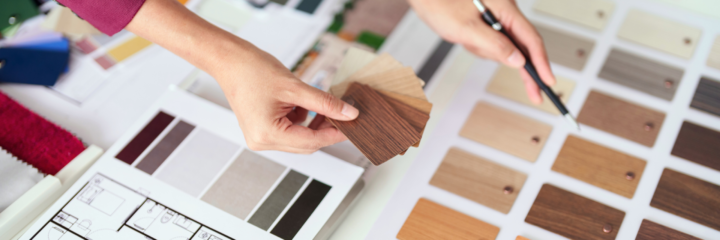
Approvals can influence your opening date as much as design and construction. For many retailers, the main challenge is not the build itself. It is knowing what paperwork is required, what triggers an approval, and how timelines differ between councils.
For teams planning shop fitouts Sydney, or managing multi-site retail fitouts Melbourne, confirming the approvals pathway early helps reduce redesign work and protects your programme.
This guide compares common approval steps in Sydney and Melbourne, so your fitout stays compliant and your timeline stays realistic. It is general guidance only, and your exact requirements depend on tenancy conditions, scope, and location.
What approvals usually apply to a retail fitout
Most fitouts sit within two approval areas. Planning relates to land use and planning controls. Building relates to construction compliance and safety. In many cases, councils review changes like signage, facade adjustments, and changes to use, while building surveyors assess construction requirements such as accessibility, fire safety, and structural works.
To sense-check what your build scope may include, this shopfitting inclusions guide provides a helpful overview before you start gathering drawings and certificates.
- Sydney fitouts: When a development application is more likely
In Sydney, a development application (DA) is commonly required when fitout works involve planning triggers such as external changes, signage, heritage constraints, or a change in how the premises is used. Some projects may be eligible for faster pathways such as a complying development certificate (CDC), depending on location and scope, but it still relies on clear documentation prepared up front.
For City of Sydney locations, the official document checklist for development applications is a strong starting point when planning works in the CBD and surrounding areas. Even when planning approval is not triggered, building sign-off may still apply depending on construction work, services changes, and fire safety scope.
- Melbourne fitouts: Planning permits and building permits
In Melbourne, the approvals pathway often depends on zoning, change of use, and whether construction work requires a building permit. Some retail works proceed without planning approval, while others require a planning permit before construction can begin.
The City of Melbourne outlines local building guidelines and regulatory considerations, which can help you identify expectations and responsibilities during a fitout.
For broader Victorian permit context, the Victorian Building Authority explains when planning and building permits may be required, including common triggers and permit responsibilities.
Key differences between Sydney and Melbourne approval workflows
While both cities require clear documentation, the workflow can feel different. Sydney fitouts often emphasise the DA pathway when planning controls are triggered, while Melbourne fitouts frequently involve planning permit checks plus building permit steps, depending on the site and scope.
For multi-site retailers, the best approach is to build an approvals checklist into your programme and confirm responsibilities early between landlord, tenant, fitout team, and consultants.
This commercial fitout planning checklist can help you track the steps that usually sit alongside drawings, permits, and procurement decisions.
Documents that reduce back and forth
Approvals move faster when documentation is consistent and complete. Depending on your works, councils and certifiers may request combinations of the following.
- Existing and proposed floor plans showing room use, seating, and circulation
- Reflected ceiling plans showing lighting, services, and equipment locations
- Signage details and external elevation drawings if anything changes externally
- Accessibility layouts including widths, turning circles, and amenities where relevant
- Fire safety scope and any upgrades required for compliance
- Materials and finishes schedules for areas that affect safety or performance
A practical way to avoid late-stage changes is to align documentation with build sequencing early. It also helps you estimate realistic timeframes for trades, specialist installs, and long-lead items.
If you are working to a fixed opening date, this retail fitout timeline guide is a useful benchmark when setting deadlines around approvals and ordering.
How to keep fitout timelines realistic
Approvals are rarely the only timing factor. Lead times, centre access restrictions, and service upgrades can all affect delivery. The safest approach is to set key decision deadlines and keep your drawings moving steadily through review.
For Sydney sites, early council checks are a practical way to protect the programme for shop fitouts Sydney businesses want ready for key trade periods.
For Victoria sites, early assessment of works helps you avoid delays in building permit steps for retail fitouts Melbourne, especially where fire safety, services, or structural changes are involved.
Where Focus Shopfit can support your approvals pathway
Approvals are easier to manage when the fitout process is coordinated end to end. Focus Shopfit supports delivery with structured project coordination that connects documentation to construction, keeping your programme clear as the build progresses.
If you are comparing build stages by location, these guides can help with expectations across markets, including shopfitting phases used in Melbourne projects and the factors often considered in Sydney retail display planning.
With planning checks and documentation handled early, both Sydney and Melbourne fitouts can move smoothly from design to build. The key is to treat council approvals as part of the fitout timeline, not a separate step that happens later.
If you are preparing shop fitouts Sydney or managing retail fitouts Melbourne, Focus Shopfit can help you plan a compliant pathway that supports your target opening date. Reach out via the contact page to discuss your tenancy, scope, and schedule.
A complete guide to retail lighting solutions for fitouts in Australia
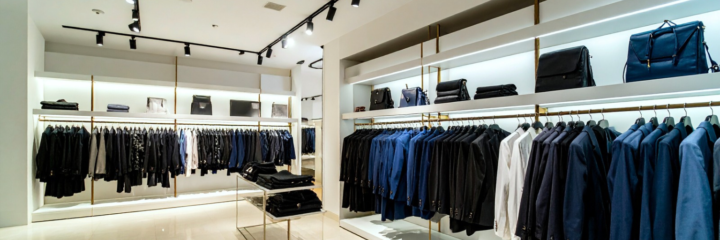
Lighting can quietly shape how customers feel, where they look, and how long they stay. In a well-planned store, lighting supports navigation, creates energy in feature areas, and makes products look true to life. When planning a new fitouts in Australia or refresh, choosing the right retail lighting solutions is one of the fastest ways to improve the in-store experience without changing your product range or floor plan.

This guide breaks down the essentials of commercial lighting for retail, including lighting layers, technical choices, and practical checks that help you get a store-ready result.
Start with the customer journey
Before selecting fixtures, define what you want customers to do in each zone. A front window display needs attraction, a feature wall needs emphasis, and a checkout needs clarity and comfort.
A simple zoning exercise helps you match retail lighting solutions to real behaviours, such as browsing, comparing colours, trying on items, or selecting add-ons near the counter.
When you are refining layout at the same time, this guide to planning shop design and layout helps connect circulation paths with the displays you want customers to notice first.
Use layered lighting, not a single bright wash
The best retail environments rely on layers. Instead of one uniform brightness, you create contrast and direction through multiple types of lighting.
A balanced approach to commercial lighting usually includes the following.
- Ambient lighting for overall illumination across the store
- Accent lighting to highlight hero products, mannequins, and feature walls
- Task lighting for service points such as POS, fitting rooms, and work benches
- Decorative lighting for visual identity, mood, and brand character
When layers are planned together, you can reduce glare, improve product focus, and make your store feel more premium even with a simple fitout.
If you are confirming scope and responsibilities, the breakdown in what is included in a shopfit is useful for understanding where lighting decisions sit within the wider fitout plan.
Get the technical basics right
Retail lighting decisions become easier once you lock in a few key technical settings that affect how products and people look in the space.
Colour rendering index (CRI) is a measure of how accurately a light source shows colour compared to natural light. For most retail applications, choosing high CRI lighting helps reduce dull or distorted product colours.
Correlated colour temperature (CCT) refers to the warmth or coolness of a light source. Warm lighting can feel welcoming, while cooler settings can feel crisp and modern. The right choice depends on your brand and product type.
Uniform glare rating (UGR) is used to assess visual discomfort from glare. Lower glare supports comfort, especially around mirrors, counters, and high-traffic zones.
For businesses that want guidance aligned with Australian interior lighting expectations, the AS/NZS 1680 series is a useful reference point. Standards Australia provides details on AS/NZS 1680.0 for safe movement, while AS/NZS 1680.1 covers general interior lighting principles.
Choose LED lighting for performance and efficiency
Light emitting diode (LED) is now the standard choice for modern retail because it supports energy efficiency, better control, and long operating life.
Well-designed LED retail lighting makes it easier to create strong contrast between feature displays and general floor space, especially when paired with dimmers and directional fittings.
It also helps with maintenance planning because fewer lamp changes reduce disruption on the shop floor. Focus Shopfit supports long-term care through maintenance contracts, which can be especially valuable for high-traffic sites or multi-location brands.
Design lighting by zone
A practical lighting plan treats each area as its own environment. You are aiming for consistency in customer comfort, while still guiding attention to products and brand moments.
Entrance and windows often need higher impact lighting to attract attention from outside. Feature zones benefit from stronger accent lighting so key items read clearly from a distance.
Fitting rooms should have flattering light and minimal glare so customers feel confident. Checkouts need even task lighting so staff can work comfortably, and customers can see details clearly.
During peak trade periods, strong contrast around feature tables and hero walls can lift visibility and reduce visual clutter. The ideas in this Christmas shopfitting checklist show how lighting can support promotions without needing a full re-fit.
Avoid common lighting mistakes that reduce sales impact
Lighting issues often show up in ways that are hard to diagnose, such as products looking different inside the store than they do in daylight, or customers avoiding certain areas because of glare or harsh brightness.
Common pitfalls include over-lighting every zone equally, placing spotlights too close to reflective surfaces, and selecting mismatched colour temperatures across adjacent areas.
When you are reviewing drawings, it is worth checking for the issues outlined in Focus Shopfit’s fitout mistakes to avoid guide, especially around glare, reflections, and missed feature lighting opportunities.
Plan lighting control and switching early
Controls are part of the experience. Switching zones separately allows you to adjust lighting through the day, reduce energy use, and support different moods for different trading periods.
For example, a calmer morning setting may suit service retailers, while a brighter evening setting can suit high foot traffic periods. This is where thoughtful commercial lighting design becomes a practical tool for operations.
If your business is also planning major mechanical changes, such as new air conditioning or ceiling works, align lighting design early so fittings and services do not clash during installation.
Balance brand identity with compliance and comfort
Lighting choices should reinforce brand identity, but they also need to support safe movement, visibility, and day-to-day comfort for staff. The right plan improves customer experience and reduces fatigue for teams working long shifts.
For projects that need coordinated delivery, the fitout team at Focus Shopfit works through a structured build and installation approach, so lighting design aligns cleanly with ceiling works, services, and final certification.
Great retail lighting is not a single product choice. It is the result of small decisions that work together across layout, product presentation, and operations. When you align your lighting layers, controls, and technical settings, your retail lighting solutions for fitouts in Australia become a measurable part of store performance, not just decoration.
If you are planning a new fitout or want to upgrade your LED retail lighting strategy, Focus Shopfit can help you design a lighting plan that supports merchandising and buildability. Reach out via the contact page to discuss your space, brand goals, and timeline.
2026 Guide for aesthetic cafe fitouts in Sydney
Today’s cafe customers notice the details. The lighting, the seating, the counter design, and even how easily they can find a great photo moment all influence the experience.
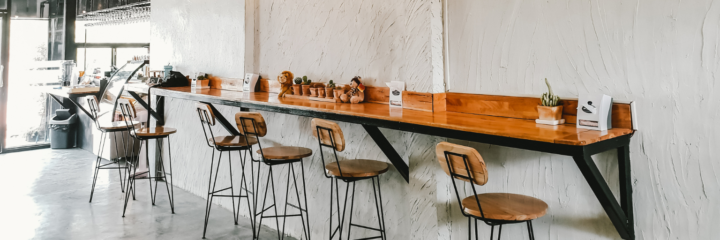
For owners planning cafe fitouts in Sydney that locals will share online, the goal is to design a space that looks great in content and works efficiently behind the scenes. The best results come from thoughtful hospitality design that considers operations, compliance, customer flow, and brand identity.
Here is a practical guide to planning an aesthetic cafe that photographs well and is deemed Instagrammable by patrons.
Start with your brand story, then build the look
The cafes people remember usually feel consistent. A strong concept gives your fitout direction, so every design choice supports the same vibe.
Before selecting finishes, define:
- Your brand personality, such as coastal calm, modern minimal, or warm vintage
- Your customer profile and peak trading rhythms
- Your average visit type, from takeaway traffic to longer sit-down stays
- What customers should notice first when they walk in
When this is clear, your hospitality design decisions become faster and more consistent.
Make customer flow easy from entry to exit
An aesthetic space still needs to move well, especially during busy hours. The best cafe layout design keeps ordering and pickup intuitive, so queues do not block seating or entry.
Consider:
- A clear line of sight to ordering
- A queue path that stays off primary walkways
- A pickup zone that prevents crowding near the counter
- A layout that supports staff movement between coffee, kitchen, and service points
If you want to explore the fitout planning steps that support smooth delivery, Focus Shopfit outlines how a site moves through approvals, project management, and installation.
Design photo moments that feel natural
Instagrammable does not mean staged. It means the space has intentional zones where content happens easily.
Popular photo-friendly features include:
- A statement wall with texture, tile, or signage
- A banquette seat with good lighting and clean sightlines
- A hero counter design that frames products and coffee craft
- A unique ceiling feature, pendant lighting, or overhead greenery
The most important factor is lighting. Natural light is ideal, but the right interior lighting can still deliver flattering photos and a warm atmosphere.
Colour also plays a major role in how your cafe photographs. For practical guidance on using colour intentionally, Focus Shopfit’s article on the psychology of colour in retail is a useful reference for palette planning.
Choose finishes that are camera-friendly and durable
In cafes, surfaces work hard every day. Benchtops, floors, and wall finishes need to handle cleaning, spills, heat, and heavy traffic.
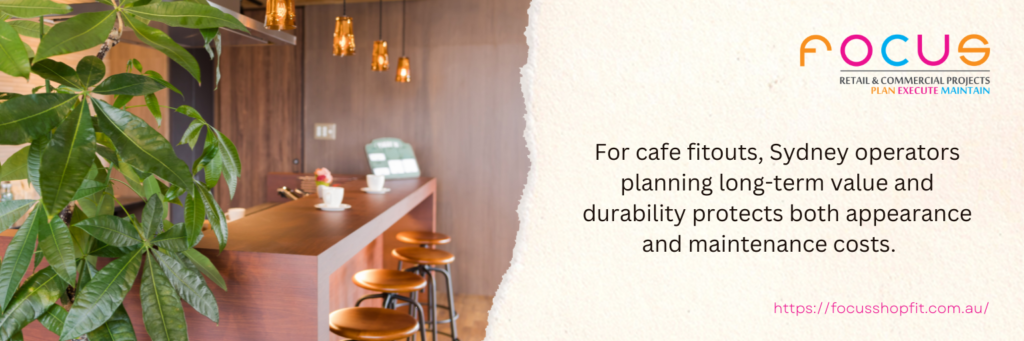
For cafe fitouts, Sydney operators planning long-term value and durability protects both appearance and maintenance costs.
Practical finish decisions include:
- Matte or satin finishes to reduce glare in photos
- Flooring that supports easy cleaning without looking worn quickly
- Joinery finishes that resist scuffs in high-contact zones
- Wall materials that can handle frequent wipe-downs
If you are comparing fitout budgets and finish tiers, check out this guide to help frame costs and trade-offs.
Plan seating for comfort and turnover
Seating is both a design feature and a revenue lever. A beautiful space that feels uncomfortable will not attract repeat customers.
Use your cafe layout design to match different visit types:
- Smaller tables for quick stops
- A comfortable banquette for longer stays
- Accessible seating for prams, mobility needs, and wider walkways
- An outdoor area if your site and approvals support it
If your Sydney location includes outdoor trading, City of Sydney provides clear guidance through its outdoor dining guidelines. This helps you plan furniture placement and pedestrian access requirements.
Design the back-of-house for speed and safety
Guests see the cafe’s front-of-house, but operations depend on the back-of-house. Efficient kitchen and prep planning reduces service time and staff friction.
Key considerations include:
- Clear separation between clean and dirty workflows
- Easy access to handwashing and cleaning facilities
- Storage placement that supports service speed
- Safe movement paths for hot items and deliveries
For food premises, NSW Food Authority provides useful information for operators via its page on cafes, restaurants, and retail outlets.
Food safety requirements are also supported by the Food Standards Code, including Standard 3.2.3 Food premises and equipment.
These references help you align design decisions with practical compliance requirements early, which supports smoother approvals and delivery.
Build with realistic timelines so your opening stays on track
Fitout timing affects everything from staffing and supplier planning to your marketing launch. The earlier you align your programme with trades, lead times, and approvals, the smoother your final weeks become.
This is especially important for cafe fitouts Sydney businesses, where service equipment, ventilation, and hydraulic requirements often add complexity. If you are estimating timelines, this article is a helpful benchmark.
Finishing touches that lift shareability
Once the main fitout is complete, styling and details add polish. This is where the space becomes recognisable and brand-led.
Consider:
- Branded signage that feels integrated, not added later
- Menu presentation that complements the interior
- Lighting colour temperature that flatters food and skin tones
- A consistent material story across furniture and decor
A strong finish helps customers photograph the space from multiple angles, which supports organic social sharing.
The most successful cafe fitouts Sydney owners invest in are designed for real service conditions and real customers, not only for photos. When layout supports speed, finishes handle daily wear, and lighting flatters both food and people, the space becomes easier to run and easier to market. That is the practical value of thoughtful hospitality design paired with smart cafe layout design.
If you want a fitout plan that balances brand, compliance, and operational flow, Focus Shopfit can help you shape the concept and deliver it with confidence. Start the conversation by reaching out via the contact page.
From mood board to grand opening: The Focus Shopfit retail design process
A successful fitout rarely comes down to one big decision. It is built through the right steps in the right order, with practical planning and strong coordination from day one.
Whether you are launching your first location or rolling out a new site, working with experienced shopfitters in Australia businesses rely on can help you move from inspiration to opening with clarity, confidence, and realistic timelines.
This guide walks through a proven retail design process, starting from your mood board and finishing with a store that is ready for customers.

Step 1: Define the concept and commercial goals
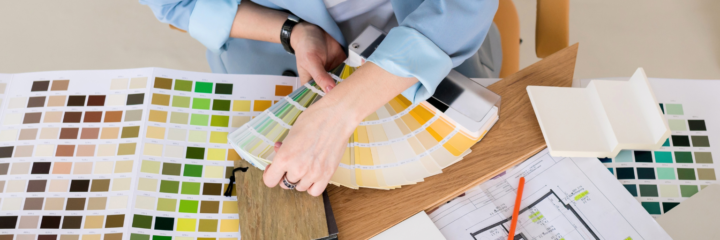
Every fitout begins with a direction. Your mood board may include colours, textures, lighting references, and brand cues, but it also needs to connect to commercial outcomes.
At this early stage, define what success looks like for your store:
- The products you need to showcase most prominently
- The customer journey you want to encourage
- How you plan to use space for service, storage, and display
- Your brand tone, from premium to playful
This becomes the backbone of your retail design process, helping design decisions stay purposeful instead of purely visual.
If you are exploring the options available in a full end-to-end delivery model, it helps to understand how trusted shopfitters in Australia, like Focus Shopfit, approach planning.
Step 2: Site assessment and measurement
Even the best concept needs to match the reality of the tenancy. Measurements, existing services, access constraints, and centre requirements all affect what is possible.
A fitout team will typically review:
- Tenancy dimensions and ceiling heights
- Existing power, hydraulic, and mechanical services
- Fire and safety requirements
- Access for deliveries, trades, and installation
- Any base building constraints or approvals pathways
This stage protects your timeline. It reduces redesign loops later and sets up smarter fitout project management from the start.
For retailers who want a clear expectation of how trades and delivery phases are coordinated, check our this quick guide gives a strong overview of the key construction steps.
Step 3: Translate mood board ideas into a working layout
This is where concept becomes a plan you can act on.
A strong retail layout supports flow, dwell time, and conversion. It also creates clear zones for staff operations so the store performs day-to-day.
Key planning considerations include:
- Entry impact and sightlines
- High-margin product placement
- Space for queuing and customer service
- Storage access and replenishment
- Lighting strategy across feature zones and general merchandising
Because layout affects everything that follows, this stage is one of the most valuable points to work with skilled shopfitters in Australia brands trust for accurate spatial planning and buildability.
If you want a practical reference for early space planning, our blog on planning shop design and layout is a useful companion read.
Step 4: Select materials and finishes that suit real retail conditions
Retail finishes must look good and perform consistently under heavy use. Choosing materials that handle traffic, cleaning, and wear helps maintain brand presentation long after opening day.
Common selection areas include:
- Flooring that suits foot traffic and maintenance requirements
- Wall finishes that support feature displays and signage
- Joinery finishes that balance style and durability
- Lighting types that flatter products and create mood
- Hardware choices that support frequent daily use
This stage is also where budget alignment becomes easier. When finishes are specified early, your supplier quotes and lead times become far more predictable, strengthening overall fitout project management.
For a broader understanding of what is typically included in a fitout scope, see what is included in a shopfit.
Step 5: Value engineering without losing your concept
Value engineering is about making smart substitutions that keep the intended customer experience intact. It can include alternative materials, simplifying joinery details, or choosing more readily available products that reduce lead times.
Done well, value engineering improves feasibility and build confidence while keeping the concept true to your brand.
At this point, it also helps to align decisions with the National Construction Code (NCC), especially where accessibility, safety, and compliance requirements apply. For an authoritative reference, visit the National Construction Code (NCC) guidance site.
Step 6: Documentation, approvals, and lead times
Documentation turns design into a buildable plan and supports approvals with landlords, councils, or shopping centres.
Depending on your site and scope, documentation may include:
- Detailed construction drawings
- Joinery shop drawings
- Services coordination plans
- Finish schedules and specifications
- Approval packages for centre management
Approvals can influence your opening date more than many owners expect. When documentation is clear and well-timed, approvals generally move more smoothly.
A strong fitout team will also help you map realistic lead times for critical elements like custom joinery, lighting, and specialist finishes.
For a breakdown of how fitout projects typically move through build stages, Focus Shopfit’s blog on how long a shop fitout truly takes provides a practical timeline view.
Step 7: Build phase coordination and site management
This is the stage where planning pays off. The build phase involves multiple trades working in sequence, often under tight time windows.
Effective site coordination usually includes:
- Programming and trade scheduling
- Site safety and compliance management
- Delivery coordination and access planning
- Daily progress tracking and issue resolution
- Quality checks during installation
Work health and safety should be planned alongside the build programme, not treated as a last-minute item. Safe Work Australia provides a helpful reference via its model code of practice on managing the work environment and facilities.
When your retail design process includes clear responsibilities and communication pathways, the build runs with fewer delays and clearer decision-making.
Step 8: Fitoff, styling, and pre-opening readiness
As the build nears completion, the focus shifts to fitoff and operational readiness.
This stage often includes:
- Final installations and touch-ups
- Signage, visual merchandising fixtures, and lighting adjustments
- Deep cleaning and presentation checks
- Defect review and rectification
- Handover documentation completion
This is also a great time to prepare your merchandising set-up plan so stock and displays flow smoothly during opening week.
If you want to see how real-world projects come together across different categories, explore these examples of completed fitouts.
Step 9: Grand opening support and post-handover care
Opening day is the milestone, but the real goal is long-term performance. Post-handover support helps ensure the store stays looking and operating as intended.
That can include:
- Minor adjustments after trade completion
- Maintenance planning for high-wear areas
- Ongoing repairs and refresh work as needed
For businesses managing multiple sites, planned upkeep is a key part of brand consistency. Focus Shopfit offers long-term support through its maintenance contracts service pathway.
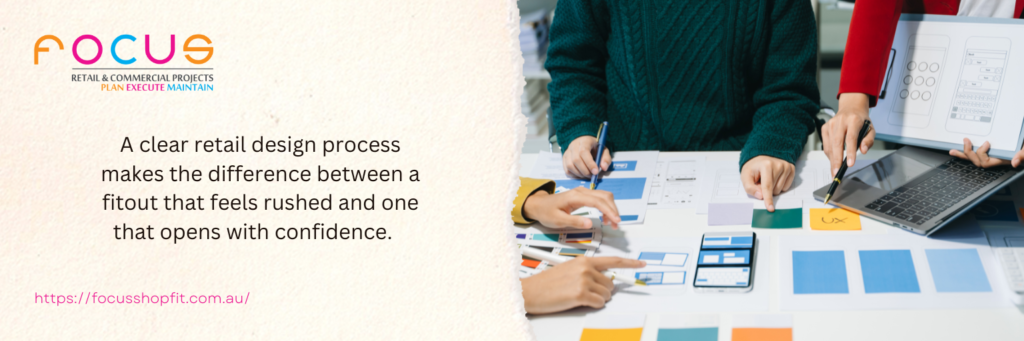
A clear retail design process makes the difference between a fitout that feels rushed and one that opens with confidence. When planning, approvals, documentation, and site coordination are managed with care, you gain better control over timelines, quality, and budget. That is what strong fitout project management looks like in practice.
If you are preparing a new site or refurbishing an existing one, working with experienced shopfitters in Australia retailers trust can help you move from mood board to grand opening with fewer surprises. To discuss your brief, timelines, and next steps, speak with Focus Shopfit and contact our team here.