The role of custom joinery in Perth to create a unique retail space
In the world of retail, differentiation is everything. With countless stores competing for attention, creating a distinct and memorable brand experience is paramount. While product, service, and marketing play their parts, the physical environment of a store is the stage where the brand story comes to life.
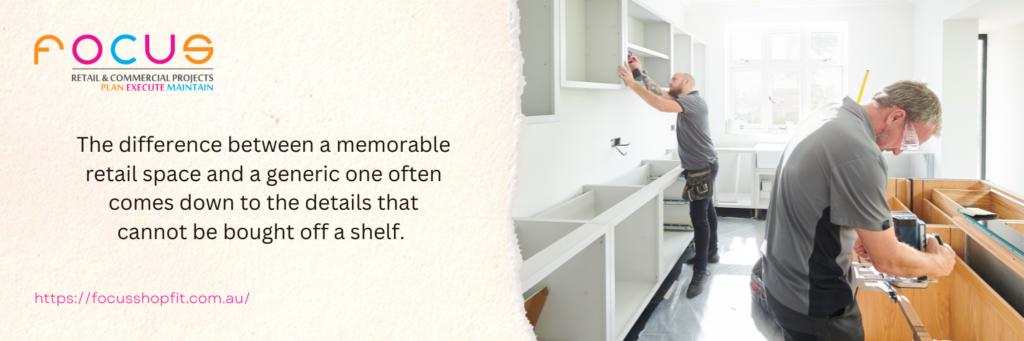
This is where custom joinery in Perth makes its entrance, transforming a standard retail space into a bespoke, functional, and deeply personal brand statement. The difference between a memorable retail space and a generic one often comes down to the details that cannot be bought off a shelf.
Unlike flat-pack or mass-produced fixtures, bespoke shopfitting involves designing and crafting items specifically for a single space and purpose. It is a collaborative process between a business owner and a skilled shopfitter to create pieces that are perfectly tailored to the brand's aesthetic, operational needs, and customer journey. From a unique point-of-sale counter to intricate product displays, custom joinery is the key to unlocking a store's true potential.
Built for your tenancy, not a standard floor plan
While the visual impact of custom work is its most obvious benefit, its functional advantages are just as powerful. Standard fixtures are designed for average spaces and average needs, which rarely exist in reality. Bespoke shopfitting solves the unique challenges and capitalises on the unique opportunities of your specific tenancy.
One of the greatest strengths of custom work is its ability to maximise every square centimetre of your floor plan. Retail spaces often have awkward corners, low ceilings, or structural columns that can disrupt the flow and create dead zones. Custom joinery can turn these liabilities into assets. An oddly shaped corner can become a perfectly fitted wrap-around display unit, while the space under a staircase can be transformed into elegant, integrated storage. This meticulous space planning is a core tenet of effective retail design.
Displays that match your product and improve sales flow
Furthermore, custom joinery allows for the creation of product displays that are perfectly suited to what you sell. A jeweller requires shallow, well-lit, and secure displays, while a boutique clothing store needs a combination of hanging space, shelving, and feature tables. With custom solutions, you can specify the exact dimensions, materials, and integrated lighting needed to make your products shine. This level of detail ensures your merchandise is presented in the best possible way, directly impacting customer perception and sales. It also significantly improves the daily operations for your team, a concept explored in our article on shopfitting for staff workflow and reducing injury risk.
Joinery as a brand storytelling tool
Your retail fitout is a three-dimensional story, and custom joinery provides the narrative detail. The materials, shapes, and finishes you choose can communicate your brand's values without a single word. A brand focused on sustainability, for instance, can use reclaimed local timber in its joinery, creating an immediate and authentic connection to its ethos. You can find inspiration for these unique material choices in Australian design publications like The Design Files.
This storytelling extends to the subtlest details. The precise curve of a reception desk, the unique pattern routed into a wall panel, or the seamless integration of your brand's logo into a shelving unit are all elements of bespoke shopfitting that build a cohesive and memorable brand world. This is what separates a simple transaction from a genuine brand experience. The team at Focus Shopfit works closely with clients to translate their brand identity into tangible, beautifully crafted joinery that serves as a powerful focal point.
Long-term value that holds up in busy retail environments
Custom joinery in Perth indeed requires a greater upfront investment than off-the-shelf alternatives. However, it should be viewed as a long-term investment in your brand's durability and appeal. Mass-produced furniture is often made with lower-quality materials and designed to fit fleeting trends. Custom joinery, by contrast, is built to last. Crafted by skilled tradespeople using high-quality, durable materials, these pieces are designed to withstand the rigours of a commercial environment for years to come.
This durability translates into a lower total cost of ownership, as you will not need to frequently repair or replace worn-out fixtures. As we discuss in our guide on how to maintain your store's fitout, quality construction is the first step towards longevity. Moreover, a well-designed custom piece has a timeless quality that will not look dated in a few years, ensuring your investment continues to pay dividends in brand perception and functionality.
Creating a space that feels uniquely yours
Your retail space deserves to be as unique as your brand. By embracing custom joinery, you move beyond the generic and create an environment that is not only beautiful and functional but also a true reflection of your vision.
If you are ready to explore how custom joinery can elevate your retail space, the team at Focus Shopfit is here to help. We specialise in creating unique, high-quality bespoke pieces that bring brands to life. Contact us today to schedule a consultation and start your design journey.

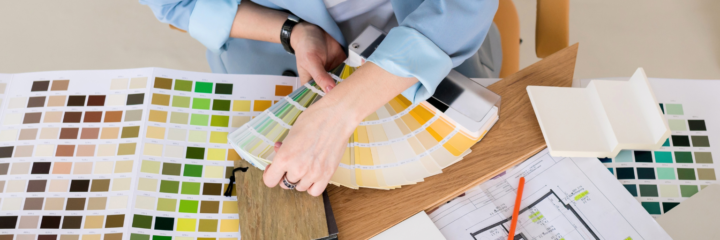
From mood board to grand opening: The Focus Shopfit retail design process
A successful fitout rarely comes down to one big decision. It is built through the right steps in the right order, with practical planning and strong coordination from day one.
Whether you are launching your first location or rolling out a new site, working with experienced shopfitters in Australia businesses rely on can help you move from inspiration to opening with clarity, confidence, and realistic timelines.
This guide walks through a proven retail design process, starting from your mood board and finishing with a store that is ready for customers.
Step 1: Define the concept and commercial goals
Every fitout begins with a direction. Your mood board may include colours, textures, lighting references, and brand cues, but it also needs to connect to commercial outcomes.
At this early stage, define what success looks like for your store:
- The products you need to showcase most prominently
- The customer journey you want to encourage
- How you plan to use space for service, storage, and display
- Your brand tone, from premium to playful
This becomes the backbone of your retail design process, helping design decisions stay purposeful instead of purely visual.
If you are exploring the options available in a full end-to-end delivery model, it helps to understand how trusted shopfitters in Australia, like Focus Shopfit, approach planning.
Step 2: Site assessment and measurement
Even the best concept needs to match the reality of the tenancy. Measurements, existing services, access constraints, and centre requirements all affect what is possible.
A fitout team will typically review:
- Tenancy dimensions and ceiling heights
- Existing power, hydraulic, and mechanical services
- Fire and safety requirements
- Access for deliveries, trades, and installation
- Any base building constraints or approvals pathways
This stage protects your timeline. It reduces redesign loops later and sets up smarter fitout project management from the start.
For retailers who want a clear expectation of how trades and delivery phases are coordinated, check our this quick guide gives a strong overview of the key construction steps.
Step 3: Translate mood board ideas into a working layout
This is where concept becomes a plan you can act on.
A strong retail layout supports flow, dwell time, and conversion. It also creates clear zones for staff operations so the store performs day-to-day.
Key planning considerations include:
- Entry impact and sightlines
- High-margin product placement
- Space for queuing and customer service
- Storage access and replenishment
- Lighting strategy across feature zones and general merchandising
Because layout affects everything that follows, this stage is one of the most valuable points to work with skilled shopfitters in Australia brands trust for accurate spatial planning and buildability.
If you want a practical reference for early space planning, our blog on planning shop design and layout is a useful companion read.
Step 4: Select materials and finishes that suit real retail conditions
Retail finishes must look good and perform consistently under heavy use. Choosing materials that handle traffic, cleaning, and wear helps maintain brand presentation long after opening day.
Common selection areas include:
- Flooring that suits foot traffic and maintenance requirements
- Wall finishes that support feature displays and signage
- Joinery finishes that balance style and durability
- Lighting types that flatter products and create mood
- Hardware choices that support frequent daily use
This stage is also where budget alignment becomes easier. When finishes are specified early, your supplier quotes and lead times become far more predictable, strengthening overall fitout project management.
For a broader understanding of what is typically included in a fitout scope, see what is included in a shopfit.
Step 5: Value engineering without losing your concept
Value engineering is about making smart substitutions that keep the intended customer experience intact. It can include alternative materials, simplifying joinery details, or choosing more readily available products that reduce lead times.
Done well, value engineering improves feasibility and build confidence while keeping the concept true to your brand.
At this point, it also helps to align decisions with the National Construction Code (NCC), especially where accessibility, safety, and compliance requirements apply. For an authoritative reference, visit the National Construction Code (NCC) guidance site.
Step 6: Documentation, approvals, and lead times
Documentation turns design into a buildable plan and supports approvals with landlords, councils, or shopping centres.
Depending on your site and scope, documentation may include:
- Detailed construction drawings
- Joinery shop drawings
- Services coordination plans
- Finish schedules and specifications
- Approval packages for centre management
Approvals can influence your opening date more than many owners expect. When documentation is clear and well-timed, approvals generally move more smoothly.
A strong fitout team will also help you map realistic lead times for critical elements like custom joinery, lighting, and specialist finishes.
For a breakdown of how fitout projects typically move through build stages, Focus Shopfit’s blog on how long a shop fitout truly takes provides a practical timeline view.
Step 7: Build phase coordination and site management
This is the stage where planning pays off. The build phase involves multiple trades working in sequence, often under tight time windows.
Effective site coordination usually includes:
- Programming and trade scheduling
- Site safety and compliance management
- Delivery coordination and access planning
- Daily progress tracking and issue resolution
- Quality checks during installation
Work health and safety should be planned alongside the build programme, not treated as a last-minute item. Safe Work Australia provides a helpful reference via its model code of practice on managing the work environment and facilities.
When your retail design process includes clear responsibilities and communication pathways, the build runs with fewer delays and clearer decision-making.
Step 8: Fitoff, styling, and pre-opening readiness
As the build nears completion, the focus shifts to fitoff and operational readiness.
This stage often includes:
- Final installations and touch-ups
- Signage, visual merchandising fixtures, and lighting adjustments
- Deep cleaning and presentation checks
- Defect review and rectification
- Handover documentation completion
This is also a great time to prepare your merchandising set-up plan so stock and displays flow smoothly during opening week.
If you want to see how real-world projects come together across different categories, explore these examples of completed fitouts.
Step 9: Grand opening support and post-handover care
Opening day is the milestone, but the real goal is long-term performance. Post-handover support helps ensure the store stays looking and operating as intended.
That can include:
- Minor adjustments after trade completion
- Maintenance planning for high-wear areas
- Ongoing repairs and refresh work as needed
For businesses managing multiple sites, planned upkeep is a key part of brand consistency. Focus Shopfit offers long-term support through its maintenance contracts service pathway.
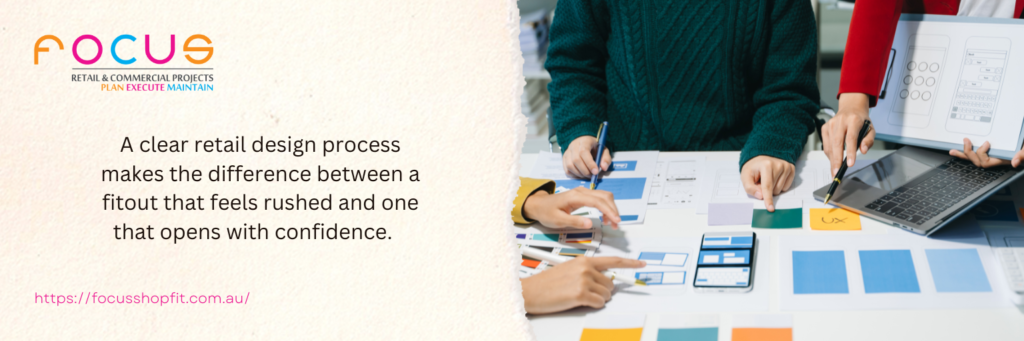
A clear retail design process makes the difference between a fitout that feels rushed and one that opens with confidence. When planning, approvals, documentation, and site coordination are managed with care, you gain better control over timelines, quality, and budget. That is what strong fitout project management looks like in practice.
If you are preparing a new site or refurbishing an existing one, working with experienced shopfitters in Australia retailers trust can help you move from mood board to grand opening with fewer surprises. To discuss your brief, timelines, and next steps, speak with Focus Shopfit and contact our team here.
On how experienced shopfitters help retail stores adapt to modern technology
In today’s retail landscape, the integration of modern technology into store design has become a critical factor in attracting and retaining customers. Retailers must not only keep up with constantly changing consumer demands but also ensure their stores are equipped with the latest technology to provide a seamless shopping experience. This is where retail shopfitters play a crucial role. Shopfitters help retail businesses bridge the gap between traditional store layouts and tech-savvy innovations, creating a harmonious environment that enhances customer engagement.
As a leading retail shopfitting service provider in Australia, Focus Shopfit specialises in helping stores implement modern technology while maintaining functional and aesthetically pleasing spaces.
In this blog, we’ll explore how shopfitters assist retail stores in adapting to modern technology and staying competitive in the digital age.
The role of shopfitters in modern retail environments
Shopfitters are design strategists who understand the complexities of retail space planning, customer behavior, and the technological needs of modern stores. Whether it’s integrating smart displays, upgrading store fixtures, or optimising the overall layout, shopfitters ensure that a store’s infrastructure supports the latest technology trends.
1. Smart displays and interactive technology integration
One of the most significant ways modern technologies have changed the retail industry is through the use of smart displays and interactive touchpoints. These technologies engage customers directly, offering them personalised experiences, product information, and even the ability to make purchases right from the display.
Interactive touchscreens: Many retailers are using touchscreens as part of their shop display equipment to allow customers to browse products, check prices, or access additional information without assistance from staff. Shopfitters ensure these touchscreens are strategically placed in high-traffic areas, making them convenient for customers to use.
Digital signage: In addition to interactive displays, shopfitters help retail stores install digital signage, which can be updated in real-time to display promotions, product information, or interactive content. This not only modernises the shopping experience but also allows retailers to change messaging without the need for new printed materials.
2. Optimising retail store fixtures for technology
Shopfitters work closely with retailers to design and install fixtures that meet these requirements while maintaining a clean, cohesive aesthetic.
Custom fixtures for smart devices: With more stores implementing mobile point-of-sale (POS) systems, retail store fixtures need to accommodate charging stations, docking areas, and secure storage for these devices. Shopfitters can design fixtures and supplies that seamlessly integrate these elements into counters, shelves, and display units.
Cable management systems: As more technology is integrated into retail spaces, the risk of unsightly and potentially dangerous cables increases. Shopfitters offer solutions such as custom shop display furniture with built-in cable management systems to keep cables hidden and organised, ensuring both safety and visual appeal.
3. Future-proofing retail spaces with modular design
Technology evolves rapidly, and retailers need to be prepared to upgrade or replace systems without costly overhauls of their store layouts. This is where modular design comes into play, and it’s an area where Focus Shopfit excels.
Modular shop displays: Shopfitters design and build modular shop display furniture for sale that can be easily reconfigured or expanded as technology needs change. For example, shelving units or counters can be designed to accommodate future digital displays or additional smart devices, making it easier to adapt the store to technological advances.
Scalable retail fixtures: Retailers often look for retail store fixtures near me that offer flexibility and scalability. Shopfitters provide solutions such as modular shelving systems that can be expanded or adjusted without requiring a complete redesign of the store. This flexibility ensures that retailers can adapt to new technologies as they become available.
4. Enhancing customer experience with technology-driven layouts
Shopfitters play a vital role in ensuring that modern technology enhances the customer experience rather than detracting from it.
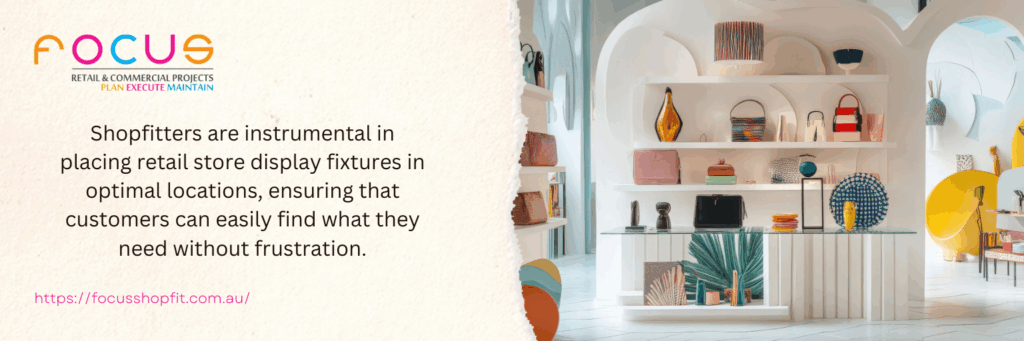
Wayfinding technologies: With the rise of larger retail spaces, many stores are implementing wayfinding technologies, such as digital kiosks or interactive maps, to help customers navigate the store. Shopfitters are instrumental in placing these retail store display fixtures in optimal locations, ensuring that customers can easily find what they need without frustration.
Seamless checkout experiences: As more retailers adopt cashless and mobile payment systems, retail shopfitters help design checkout areas that accommodate new technologies while maintaining an efficient flow of traffic. For example, shopfitters can install custom shop display furniture that integrates mobile payment stations, reducing wait times and improving the overall customer experience.
5. Sustainable shopfitting solutions for modern technology
As retailers embrace technology, there’s also a growing demand for sustainable shopfitting solutions. Shopfitters are responding by incorporating eco-friendly materials and energy-efficient technologies into their designs.
Energy-efficient lighting: One of the most common technological upgrades is energy-efficient LED lighting. Shopfitters not only install these systems but also ensure that they are strategically placed to highlight key areas such as product displays, promotional zones, and checkouts. This not only reduces the store’s carbon footprint but also enhances the visual appeal of the store.
Recycled and eco-friendly materials: Shopfitters today are incorporating sustainable materials like recycled wood and metals into their retail shop fittings in Perth. These materials help reduce the environmental impact of store design while providing retailers with unique, visually appealing shop display equipment.
6. Security and loss prevention technologies
Modern technology plays a key role in loss prevention and security, and shopfitters help retailers integrate these systems into their store designs.
Smart security cameras and sensors: Today’s security systems often include smart cameras and sensors that can monitor customer activity in real time and detect unusual behavior. Shopfitters design retail store fixtures that discreetly house these devices, ensuring that they blend seamlessly into the store’s aesthetics while providing full coverage.
Electronic article surveillance (EAS) systems: EAS systems are essential for preventing theft in many retail environments. Shopfitters work with retailers to install these systems in a way that is both effective and visually unobtrusive, often integrating sensors directly into retail store display fixtures or entryways.
7. Adapting to e-commerce and omnichannel retailing
The rise of e-commerce and omnichannel retailing means that physical stores must adapt to serve both online and offline customers seamlessly. Shopfitters help retailers create spaces that support omnichannel strategies, ensuring a consistent customer experience across all touchpoints.
Click-and-collect areas: Many retailers are adopting click-and-collect services, where customers can order online and pick up in-store. Shopfitters design designated areas with shop display furniture that is easy to access and navigate, ensuring a smooth customer journey from online to offline.
Integrated e-commerce displays: Shopfitters also help retailers blend their online and offline experiences by designing retail store display fixtures that feature QR codes or digital displays linked to the retailer’s e-commerce platform. This allows customers to browse products in-store while having the option to purchase online, offering greater flexibility.
At Focus Shopfit, we specialise in creating custom solutions for retailers looking to stay ahead of the curve. Whether you’re seeking sustainable materials for your retail shop fittings in Perth or looking to implement cutting-edge shop display equipment, our team has the expertise to help you design a store that meets your technological needs while enhancing the customer experience.
Maximising your store layouts for remarkable customer experience and sales
In the competitive world of retail, every detail matters. From the products you stock to the way you engage with customers, each element plays a crucial role in the success of your business.
One often overlooked aspect is the retail store layout. An effective store layout isn't just about aesthetics. It's a strategic tool that can significantly impact customer experience and, ultimately, your bottom line. Focus Shopfit specialises in creating store layouts that are both aesthetically pleasing and strategically effective.
In this article, we'll delve into why store layout is so important and how it can be optimised to boost sales and enhance customer satisfaction.
Understanding the basics of store layout
Before we explore the importance, it's essential to grasp what a store layout entails. A store layout is the strategic arrangement of fixtures, merchandise, and equipment within a retail space. It guides customers through the store, influences purchasing behavior, and enhances the overall shopping experience.
Types of store layouts
There are several common types of store layouts, each serving different purposes:
- Grid layout: Often used in supermarkets and pharmacies, this layout features long aisles with merchandise on shelves on both sides.
- Loop (Racetrack) layout: Encourages customers to loop through the store in a predefined path, exposing them to various products.
- Free-flow layout: Offers a more relaxed shopping experience with fewer constraints, commonly used in boutiques and high-end stores.
- Spine layout: Combines elements of the grid and free-flow layouts, featuring a central aisle with branches.
The impact of store layout on customer behavior
An effective retail store layout can significantly influence how customers interact with your store. Here are factors on why guiding your customers with store layouts can improve your sales.
Guiding customer flow
A well-planned layout directs customers through the store in a way that maximises exposure to products. By strategically placing high-margin items in high-traffic areas, retailers can increase the likelihood of purchases.
Enhancing the shopping experience
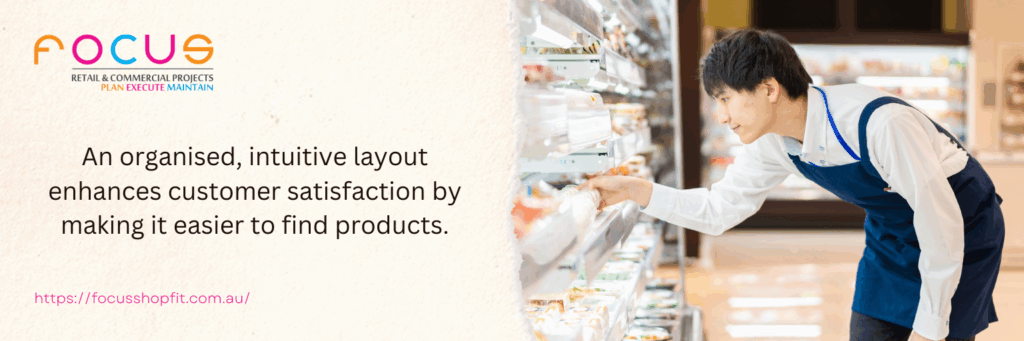
A cluttered or confusing layout can frustrate customers, leading them to leave without making a purchase. An organised, intuitive layout enhances customer satisfaction by making it easier to find products.
Encouraging impulse purchases
Strategically placed merchandise can encourage customers to make additional, often unplanned, purchases. For example, placing small, inexpensive items near the checkout can capitalise on impulse buying behavior.
Maximising space efficiency
In retail, space is money. Efficient use of space ensures that every square meter contributes to your revenue.
Product placement
By analysing sales data, retailers can identify which products are best sellers and allocate prime space to them. Less popular items can be placed in secondary locations.
Balancing aesthetics and functionality
While a store needs to look good, functionality should not be sacrificed. A layout that balances both can enhance the shopping experience without compromising sales potential.
Adapting to customer needs
Understanding your target market is crucial in designing a layout that meets their needs.
Accessibility
In Australia, retailers must comply with the Disability Discrimination Act, ensuring their stores are accessible to all customers. This includes considerations like aisle width and shelf height.
Cultural considerations
Australia's diverse population means that retailers may need to consider cultural preferences in their store layouts. For example, providing clear signage in multiple languages can enhance the shopping experience for non-English speakers.
Leveraging technology in store layout
Modern technology offers new ways to optimise store layouts.
Heat mapping
Using sensors to track customer movements can provide insights into shopping patterns, highlighting high-traffic areas and potential dead zones.
Virtual reality planning
Virtual reality tools allow retailers to visualise and test different layouts before implementing them, saving time and resources.
The crucial role of shopfitters in store layout optimisation
Shopfitters play an important role in making your store functional and aesthetically pleasing to customers. They can also provide the right layout optimization according to your store’s needs. Here are some factors.
Customised solutions
Every retail space is and should be unique; a shopfitting team like Focus Shopfit works closely with clients to design layouts that reflect their brand identity and meet their specific needs.
Expertise in retail
Fitout experts in Australia are well-versed in local regulations, cultural considerations, and consumer behaviors with extensive experience in the Australian market.
End-to-end service
From initial design concepts to installation, we provide comprehensive services to ensure a seamless transformation of your retail space.
The importance of a store layout cannot be overstated. It's a powerful tool that influences customer behavior, maximises space efficiency, and enhances the overall shopping experience. By investing time and resources into optimising your store layout, you set the stage for increased sales and sustained business growth.
Focus Shopfit is here to help Australian retailers navigate this critical aspect of their business. Contact us today to discover how we can transform your retail space into a strategic asset. Reach out to us and let's create a unique shopping experience that will keep customers coming back.
11 Essential retail design tips from professional shopfitters to boost sales
In the fiercely competitive world of retail, creating a memorable and engaging shopping experience is paramount. The design of your retail space should be more than just aesthetics. It should be a strategic tool that can influence customer behavior, enhance brand perception, and ultimately boost sales.
When shopfitting in Australia, where the retail landscape is as diverse as it is dynamic, standing out requires creativity and practicality. Focus Shopfit’s guide will share essential retail design tips to help you transform your store and elevate your business performance.
1. Understand your target audience
Your retail design should reflect the customers you aim to serve. In Australia's multicultural society, being aware of cultural nuances can make your store more welcoming to a broader audience. Understanding your target audience's demographics, preferences, and shopping habits is the foundation of effective retail design.
Utilise surveys, focus groups, and data analytics to gather insights. Using customer insight tools and social media metrics can provide valuable information about your customers.
2. Create an inviting storefront
Your storefront is the first impression customers will have, and it's important to make it look inviting to passersby. Craft window displays that tell a story or showcase your best products. Change them regularly to reflect seasons, holidays, or promotions. Ensure that your signage, color scheme, and overall façade align with your brand identity. Make sure entrances are accessible to everyone, including individuals with disabilities.
3. Optimise store layout
An optimised store layout not only enhances the shopping experience but also maximises sales potential by guiding customers through high-value areas. Choose a layout that suits your product type and customer flow. Use floor markers or subtle cues like flooring patterns to direct customer flow. Focus Shopfit ensures that your store layout is always made with precision in every fitout.
4. Strategic product placement
Where you place your products can significantly impact their sales performance. Identify areas in your store that receive the most traffic and place high-margin or promotional items there. Display related products together to encourage multiple purchases. Use the ends of the aisles for high-visibility promotions. Products placed at eye level tend to also sell better because they're easily noticed.
5. Effective lighting
Lighting sets the mood and can highlight key areas or products in your store. Adjust lighting intensity and color temperature to match the time of day or to create different moods. It is also useful in highlighting key elements of your storefront at night, extending its appeal beyond daylight hours.
- Ambient lighting provides overall illumination for the store.
- Accent lighting highlights particular products or displays.
- Consider LED lighting to reduce energy costs and environmental impact.
6. Incorporate technology
Modern consumers are tech-savvy, and integrating technology can enhance their shopping experience. Using technology to collect data on customer behavior can inform future design and marketing strategies.
- Digital signage: Showcase promotions, new arrivals, or interactive content with dynamic displays.
- Interactive kiosks: Allow customers to browse products, check inventory, or access additional information.
- Mobile integration: Offer free Wi-Fi and consider developing a store app for personalised offers. Nowadays, providing mobile payment options is also essential in retail stores.
7. Comfortable environment
A comfortable customer is more likely to spend time and money in your store. Clean facilities can significantly enhance the shopping experience as well. Ensuring your store is well-ventilated with a comfortable temperature.
Custom retail fixtures in Perth is an advantage as it can be adjusted according to your store’s needs. Keep aisles free from clutter to allow easy movement, especially for parents with prams or customers with mobility aids. Benches or lounge areas are also elements to consider for larger stores.
8. Regular updates and maintenance
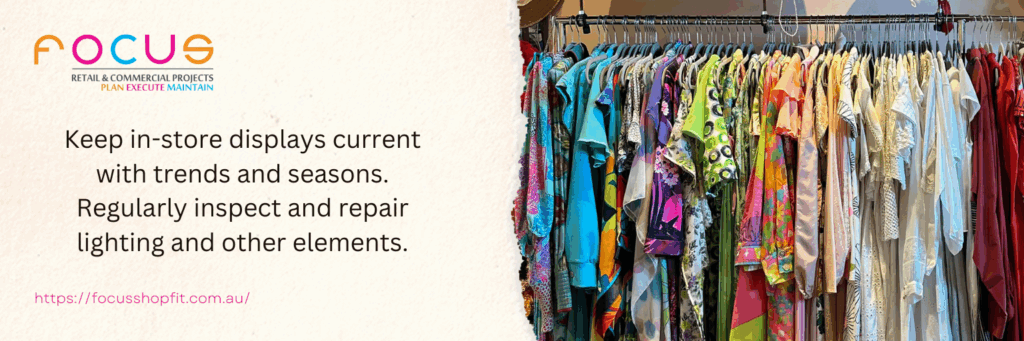
An outdated or poorly maintained store can deter customers. Keep windows and in-store displays current with trends and seasons. Regularly inspect and repair lighting and other elements. Keep an eye on retail design trends, such as sustainable materials or minimalist aesthetics. In addition, soliciting customer feedback on the store environment can help businesses identify areas for improvement.
9. Sensory experience
Engaging multiple senses can create a more immersive and memorable shopping experience. Balance is key to ensuring a positive customer experience.
- Soundscapes: Curate a playlist that aligns with your brand and appeals to your target audience. Upbeat music can energise shoppers, while softer tunes can create a relaxed atmosphere.
- Scents: Pleasant fragrances can enhance the mood and increase the time customers spend in your store. For example, a coffee shop might use the smell of roasted coffee beans to attract customers.
- Texture and touch: Allow customers to feel products or materials. Interactive displays where customers can touch and try products can increase engagement.
10. Accessibility and inclusivity
Designing your store to be accessible to all customers is not only ethical but can also expand your customer base. Incorporate features that accommodate people of all abilities, such as ramps, wide aisles, and accessible restrooms. Using large fonts and high-contrast colors can assist visually impaired customers.
To further enhance this, train your staff to assist customers with special needs and consider offering services like shopping assistance or quiet hours. Regularly review and update your accessibility features to comply with the latest standards and regulations.
11. Stay ahead of retail trends
The retail industry is constantly evolving, and staying informed about the latest trends can keep your store competitive. Blend online and offline experiences by offering services like click-and-collect or in-store online ordering kiosks. Create experiences that go beyond shopping, such as workshops, demonstrations, or events. Use technology to personalise the shopping experience, such as tailored recommendations or offers.
The right design can create emotional connections, foster brand loyalty, and set you apart from competitors. Shopfitting in Australia is not a one-time effort but an ongoing process that evolves with your business and customer expectations. At Focus Shopfit, we're dedicated to helping you navigate this journey.
How to maintain your store’s fitout: Tips to protect your investment
A fresh fitout can transform your store, enhancing its functionality, aesthetic appeal, and customer experience. Whether you’ve just revamped a retail shop, café, or office, your investment deserves proper care to maintain its look and longevity. Without regular upkeep, even the most well-designed fitout can lose its charm over time, costing you repairs, replacements, or dissatisfied customers.
At Focus Shopfit, we recognise the importance of a durable and visually appealing store interior. That’s why we’ve compiled this comprehensive guide to help you maintain your new fitout and keep it looking pristine for years to come.
Your store fitout is a business asset. Here are factors on why maintenance matters:
- Preserve aesthetic appeal. A spotless and well-maintained store enhances customer perceptions of your brand.
- Enhance durability. Shopfitters in Darwin provide proper care that prevents wear and tear, ensuring your fitout lasts longer.
- Cost-effective. Routine maintenance avoids expensive repairs or full-scale refurbishments.
- Compliance. Australian health and safety regulations require businesses to maintain clean and safe premises.
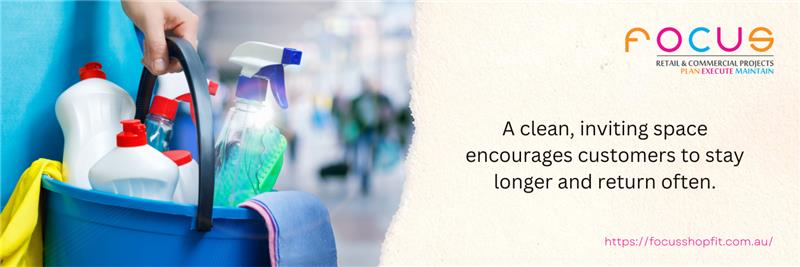
- Boost customer experience: A clean, inviting space encourages customers to stay longer and return often.
Key factors of fitout maintenance
Taking care of your new fitout is an essential part of establishing your brand’s identity and expanding your business. Here are some tips on how you can regularly maintain your retail store.
General maintenance tips
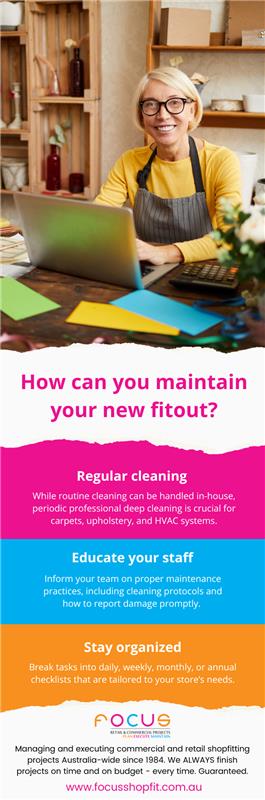
- Develop a routine maintenance plan tailored to your store’s specific needs. Break tasks into daily, weekly, monthly, and annual checklists to stay organised.
- While routine cleaning can be handled in-house, periodic professional deep cleaning is crucial for carpets, upholstery, and HVAC systems.
- High-quality materials are easier to maintain and last longer. If you worked with Focus Shopfit for your fitout, rest assured that you’ve started with durable and premium materials.
- Educate your team on proper maintenance practices, including cleaning protocols and how to report damage promptly.
- Consider partnering with a commercial shopfitting company or a professional maintenance provider who can inspect and repair your fitout as needed.
Check out these area-specific tips to effectively maintain the rest of your shop.
Floors and carpets
- Daily cleaning. Sweep or vacuum your store to remove dirt and debris. For tiled or vinyl flooring, use a damp mop with a pH-neutral cleaner to prevent scratches.
- Spot cleaning. Address spills immediately to prevent stains, especially on carpets or natural stone.
- Periodic deep cleaning. Engage professional services to deep-clean carpets or polish hard floors every six months to a year.
- Protect high-traffic areas. Use rugs or mats in entryways and other high-traffic zones to reduce wear and tear.
Walls and paintwork
- Clean regularly. Wipe down painted walls with a damp cloth or a gentle cleaner to remove dust and smudges.
- Protect corners and edges. Install corner guards to reduce damage in high-traffic areas.
- Repaint as needed. If walls start to look dull or chipped, schedule a touch-up or repainting session every couple of years.
Fixtures and fittings
- Inspect regularly. Check for loose screws, broken hinges, or wobbly fixtures. Tighten or repair as needed.
- Dust and polish. Keep shelving, countertops, and displays free from dust. Use appropriate cleaning products for materials like wood, glass, or metal.
- Prevent overloading. Avoid overloading shelves or displays, as this can cause structural damage over time.
Lighting
- Clean light fixtures. Dust and wipe downlights, lamps, and covers to ensure maximum brightness.
- Replace bulbs promptly. Swap out burnt-out bulbs immediately to maintain consistent illumination.
- Upgrade to LEDs. If you haven’t already, consider using energy-efficient LED bulbs to save on electricity and reduce heat.
HVAC and ventilation systems
- Filter maintenance. Replace air filters regularly to ensure optimal airflow and reduce allergens.
- Inspect for issues. Schedule annual professional inspections to identify and fix leaks, blockages, or inefficiencies.
- Clean vents. Dust or vacuum vents to prevent buildup and maintain clean air circulation.
Glass and mirrors
- Daily cleaning. Use a streak-free glass cleaner for windows, mirrors, and glass display cases.
- Inspect for damage. Look for chips or cracks and repair them promptly to avoid larger issues.
- Tinted windows. If you have tinted glass, follow the manufacturer’s guidelines for cleaning to avoid damaging the film.
Signage and branding elements
- Regular cleaning. Dust and clean signs, both indoors and outdoors, to ensure they’re legible and visually appealing.
- Check for wear. Inspect for fading, peeling, or damage from weather exposure. Replace or refurbish signage when necessary.
- Lighting maintenance. If your signs are illuminated, ensure the lights are functioning and replace any burnt-out bulbs.
Common fitout maintenance challenges in Australia
There are many ways to keep your store from wear and tear, but there will be times when you might experience unavoidable situations. Here are common fitout challenges you might be facing and what you can do when they happen.
Climate concerns
Australia’s varied climate can take a toll on materials. For example, high humidity in coastal areas may lead to mold or rust. Combat this with proper ventilation and moisture-resistant materials.
Pests
Certain areas are prone to pests like termites or rodents. Regular pest control measures are essential.
UV damage
Intense sunlight can fade furniture, signage, or flooring. Install UV-protective films on windows to minimise this risk.
This guide can help protect your fitout investment, keep your store looking its best, and continue to impress your customers for years to come. Focus Shopfit specialises in commercial shopfitting and maintaining high-quality fitouts for businesses across Australia. Whether you need advice on upkeep or a full-scale redesign, our team is here to help.
Autumn shopfitting trends in 2025: Creating spaces that inspire and convert
As autumn unfolds, shopfitting is taking on a whole new dimension. Retailers are no longer just updating their spaces for aesthetics; they’re reimagining their environments to meet evolving customer expectations, embrace technology, and create memorable experiences. This season, Focus Shopfit combines trends with warmth, sustainability, and immersive design, blending functionality with style to help retailers stay ahead.
- Warm, earth-inspired palettes
Autumn has always been associated with rich and cosy tones. This timeless inspiration translates into shopfitting choices. Retail interiors are leaning toward earthy palettes. Burnt oranges, deep greens, warm browns, and muted neutrals are colors that evoke a sense of comfort and connection. More retailers are being drawn to natural wood finishes, terracotta tiles, and fabric accents to immerse customers in an inviting and authentic environment.
Lighting also plays a major role in setting the ambiance. Amber-tinted LEDs and dynamic lighting systems adjust the atmosphere throughout the day and create a welcoming environment that’s also energy efficient.
- Flexible layouts for hybrid shopping
Hybrid layouts with in-store experiences supporting digital convenience have been popular this year. Focus Shopfit reflects this by incorporating flexible, modular layouts. Moveable shelving, adjustable product displays, and foldable partitions allow retailers to quickly reconfigure spaces for events, seasonal promotions, or experiential showcases.
Retailers are also integrating digital elements and technology like QR codes, augmented reality (AR) mirrors, and touchscreen displays to create seamless links between in-store browsing and online shopping. Customers can explore physical products while also accessing digital reviews, customisation options, or delivery services right from the shop floor.
- Sustainability at the core
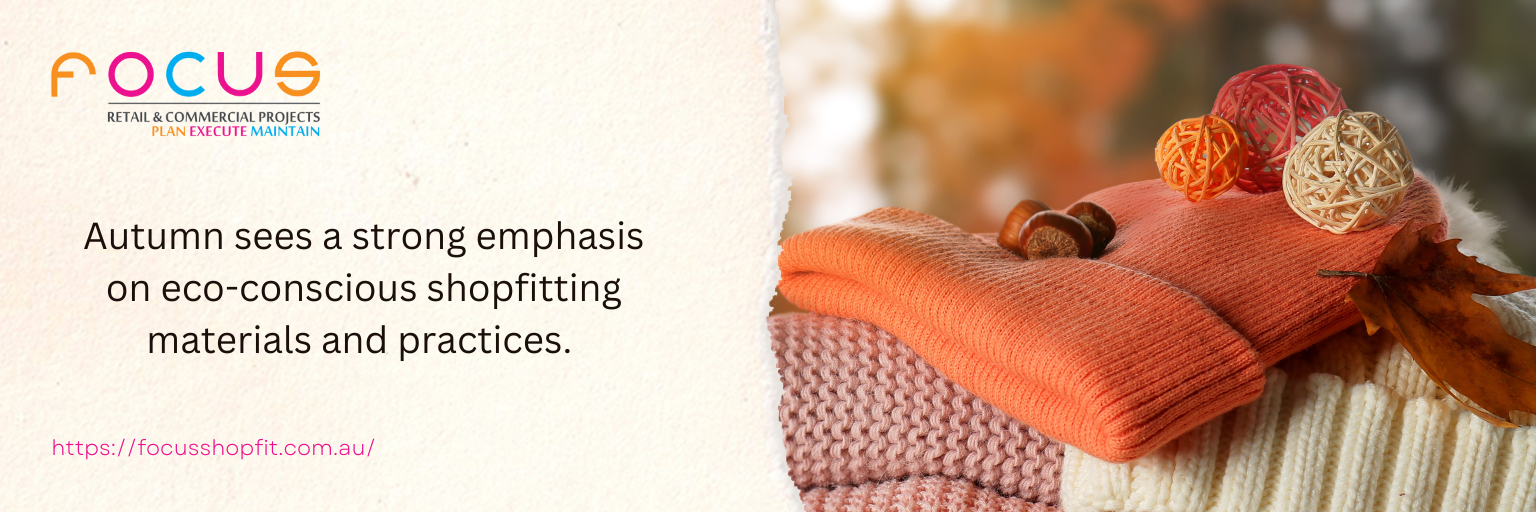
Autumn sees a strong emphasis on eco-conscious shopfitting materials and practices. Reclaimed wood, recycled metals, biodegradable fixtures, and low-VOC finishes are widely adopted. Retailers are also showcasing transparency by displaying sustainable products and materials on store displays and presenting certifications for sustainable materials to send a clear message that environmental responsibility matters.
In Australian commercial shopfitting, smart climate systems, solar integration, and motion-sensitive lighting reduce costs and improve environmental impact, while also aligning with consumer expectations.
- Multi-sensory experiences
Autumn’s shopfitting trends highlight more than just the visual. Retailers are designing immersive, multi-sensory experiences to engage customers. Warm and pleasing scents like cedarwood or cinnamon diffuse through stores to reflect the season, while carefully curated background music sets the atmosphere.
Textures such as boucle seating, stone surfaces, and raw wood finishes encourage customers to slow down and connect with the space. These elements help create an environment where customers linger longer and develop stronger emotional ties to the brand.
- Community-focused spaces
Another standout trend this season is the rise of community-oriented retail spaces. Shops are becoming gathering places rather than just being transactional. Coffee corners, workshop areas, and pop-up installations give customers reasons to return, even when they’re not shopping.
Focus Shopfit offers services like commercial shopfitting that increasingly blends retail with lifestyle by offering spaces that bring people together. Autumn particularly emphasises cosy, lounge-style areas where customers can relax, connect, and engage with a brand on a deeper level. This creates customer loyalty and a sense of belonging.
- Seasonal storytelling through design
Shopfitting is heavily influenced by storytelling. Retailers are using their layouts, decor, and visual merchandising to tell brand-specific narratives aligned with seasonal themes. Think harvest-inspired window displays, modular shelving that frames seasonal products like art pieces, or interactive installations that change as autumn progresses.
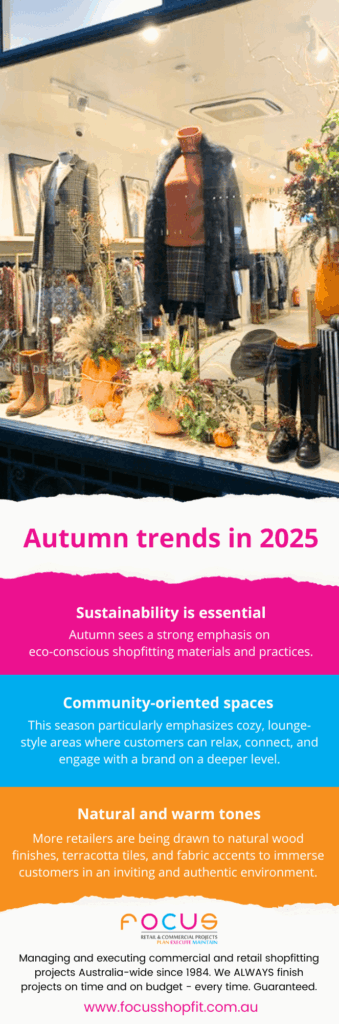
Shopfitting trends this autumn highlight the importance of creating spaces that are flexible, sustainable, and emotionally resonant. From earthy color palettes to tech-driven hybrid layouts and community-focused areas, retailers are blending the physical and digital worlds while staying rooted in comfort and authenticity.
For those seeking to shopfit in Perth, this season proves that the right design can transform retail spaces into destinations that inspire, engage, and convert.
Transform Your Business with Affordable Commercial Shop Fitouts in Perth
In the competitive world of retail, creating an inviting and functional space for your customers is essential. This is where commercial shop fitouts come into play. A well-designed and carefully executed shop fitout can transform your business, attracting more customers and boosting sales. Don't wait. Now is the time to transform your business with affordable commercial shop fitouts in Perth.
Commercial shop fitouts involve the process of designing and constructing the interior of a retail space. They encompass everything from the layout and flow of the store to the fixtures, lighting, and overall aesthetic. A well-executed shop fitout not only enhances the customer experience but also creates an environment that reflects your brand and products.
By investing in a professional shop fitout, you can create a space that is visually pleasing, functional, and optimized for sales. A thoughtfully designed store layout can guide customers through your space, highlighting key products and encouraging impulse purchases. Additionally, a well-lit and visually appealing store can leave a lasting impression on customers, making them more likely to return.
Benefits of Affordable Shop Fitouts in Perth
When it comes to shop fitouts in Perth, affordability is a key consideration for many business owners. Fortunately, there are shop fitout companies in Perth that offer affordable solutions without compromising on quality.
One of the main benefits of affordable shop fitouts is the cost savings they offer. By working with a shop fitout company that understands your budget constraints, you can achieve a high-quality fitout at a fraction of the cost. This means you can allocate your resources towards other important aspects of your business, such as marketing and inventory.
Affordable shop fitouts also provide the opportunity to update your store's appearance and functionality without breaking the bank. Whether you're looking to refresh an existing space or completely renovate a new location, an affordable shop fitout can help you achieve your desired outcome within your budget.
Furthermore, investing in an affordable shop fitout can lead to increased sales and customer satisfaction. A well-designed and visually appealing store can attract more customers and encourage them to stay longer, ultimately leading to more purchases. By creating a positive shopping experience, you can build customer loyalty and generate repeat business.
Factors to Consider When Choosing a Shop Fitout Company in Perth
When selecting a shop fitout company in Perth, there are several factors to consider to ensure you make the right choice for your business.
Firstly, it's important to assess the company's experience and expertise in commercial shop fitouts. Look for a company that has a proven track record of successful projects and a portfolio that showcases their capabilities. This will give you confidence in their ability to deliver the desired outcome for your shop fitout.
Secondly, consider the company's understanding of your specific needs and requirements. A good shop fitout company will take the time to listen to your vision and goals, offering tailored solutions that align with your brand and target audience. They should be able to provide expert advice on layout, design, and functionality, ensuring your shop fitout is optimized for success.
Another crucial factor to consider is the company's ability to work within your budget and timeline. Discuss your budget constraints upfront and ask for a detailed quote that includes all costs associated with the fitout. Additionally, ensure that the company has the capacity to complete the project within your desired timeframe, minimizing any disruptions to your business operations.
Lastly, don't forget to check for reviews and testimonials from previous clients. This will give you valuable insights into the company's reputation, customer service, and overall satisfaction of past projects. A reputable shop fitout company will have positive feedback from satisfied clients, giving you peace of mind when making your decision.
Understanding the Process of Commercial Shop Fitouts
Before embarking on a shop fitout project, it's important to have a clear understanding of the process involved. This will help you better plan and manage the project, ensuring a smooth and successful outcome.
The first step in the process is the initial consultation with the shop fitout company. During this stage, you will discuss your requirements, budget, and timeline. The company will gather the necessary information to develop a design concept that meets your needs.
Once the design concept is finalized, the company will proceed with obtaining any necessary permits and approvals from local authorities. This is an important step to ensure compliance with building codes and regulations.
Next, the construction phase begins. This involves the installation of fixtures, fittings, and finishes, as well as any necessary electrical and plumbing work. Throughout the construction phase, regular communication with the shop fitout company is crucial to address any issues or changes that may arise.
After the construction is complete, the shop fitout company will conduct a final inspection to ensure everything is in order. They will also assist with the setup and installation of any equipment or furniture, making sure your store is ready for business.
Tips for Planning Your Shop Fitout Project
Planning is a crucial part of any successful shop fitout project. Here are some tips to help you plan your project effectively:
- Define your goals and objectives: Clearly outline what you want to achieve with your shop fitout. Whether it's increasing sales, improving customer experience, or rebranding, having clear goals will guide the design and execution of your project.
- Research design trends: Stay up to date with the latest design trends in commercial shop fitouts. This will help you create a modern and visually appealing space that resonates with your target audience.
- Set a realistic budget: Determine how much you're willing to invest in your shop fitout and stick to it. Consider all costs, including design fees, construction, permits, and any additional expenses.
- Consider future growth: Anticipate your business's future needs and growth potential. Design your shop fitout with flexibility in mind, allowing for easy modifications and expansions as your business evolves.
- Communicate effectively: Maintain open and clear communication with your shop fitout company throughout the entire process. Regular updates and feedback will ensure that your vision is accurately translated into the final result.
Cost-Saving Strategies for Affordable Shop Fitouts
Achieving an affordable shop fitout doesn't mean compromising on quality. Here are some cost-saving strategies to help you stay within your budget:
- Opt for pre-designed fixtures and fittings: Pre-designed fixtures and fittings are often more cost-effective than custom-made options. They can still be tailored to your specific needs and provide a high-quality finish.
- Choose durable materials: Invest in durable materials that can withstand the wear and tear of a retail environment. This will minimize maintenance and replacement costs in the long run.
- Consider second-hand or refurbished items: Look for opportunities to incorporate second-hand or refurbished items into your shop fitout. This can significantly reduce costs while still maintaining a stylish and functional space.
- Prioritize essential areas: Focus your budget on the areas that have the most impact on your business, such as the entrance, checkout counter, and product displays. Allocating resources strategically will ensure a visually appealing and customer-friendly space.
- Seek multiple quotes: Don't settle for the first quote you receive. Reach out to multiple shop fitout companies in Perth and compare their prices and services. This will help you find the most affordable option without compromising on quality.
Popular Design Trends for Commercial Shop Fitouts in Perth
The world of shop fitouts is constantly evolving, with new design trends emerging each year. Here are some popular design trends for commercial shop fitouts in Perth:
- Minimalism: Clean lines, neutral colors, and open spaces define the minimalist design trend. This style creates a sleek and modern aesthetic that allows the products to take center stage.
- Biophilic design: Biophilic design incorporates elements of nature into the retail space. This can include living walls, natural materials, and ample natural light. Biophilic design has been proven to improve customer well-being and satisfaction.
- Industrial chic: Industrial chic is characterized by exposed brick walls, raw materials, and a rustic aesthetic. This design trend creates a trendy and urban atmosphere that appeals to a younger demographic.
- Technology integration: Incorporating technology into shop fitouts is becoming increasingly popular. This can include interactive displays, digital signage, and self-checkout systems. Technology integration enhances the customer experience and streamlines operations.
- Sustainable design: Sustainable design focuses on using environmentally friendly materials and practices. This trend appeals to eco-conscious consumers and can help your business reduce its carbon footprint.
How to Find the Best Shop Fitout Company in Perth
Finding the best shop fitout company in Perth requires careful consideration and research. Here are some steps to help you make an informed decision:
- Ask for recommendations: Seek recommendations from other business owners in your industry or local networking groups. Word-of-mouth referrals can provide valuable insights into reputable shop fitout companies.
- Research online: Use online directories and review platforms to find shop fitout companies in Perth. Read customer reviews and ratings to gauge their reputation and reliability.
- Check portfolios: Visit the websites or social media pages of shortlisted companies to view their portfolio of past projects. Look for examples that align with your vision and aesthetic preferences.
- Request quotes: Contact the shop fitout companies and request detailed quotes for your project. Compare the prices, services offered, and timelines to determine the best fit for your business.
- Arrange consultations: Schedule consultations with a few shortlisted companies to discuss your project in detail. Use this opportunity to evaluate their communication skills, expertise, and understanding of your requirements.
By following these steps and taking the time to evaluate your options, you can find the best shop fitout company in Perth that will deliver a successful project within your budget and timeline.
Transforming Your Business with Affordable Commercial Shop Fitouts in Perth
Commercial shop fitouts in Perth are a powerful tool for transforming your business. They create visually appealing and customer-friendly spaces that enhance the shopping experience and boost sales. By opting for affordable shop fitouts, you can achieve these benefits without compromising on quality.
When choosing a shop fitout company in Perth, consider their experience, understanding of your needs, and ability to work within your budget. Understanding the process of commercial shop fitouts and planning your project effectively will ensure a smooth and successful outcome.
By incorporating cost-saving strategies and staying informed about popular design trends, you can create a stylish and functional space that resonates with your target audience. The case studies provided demonstrate the positive impact of shop fitouts on businesses in Perth.
To find the best shop fitout company in Perth, ask for recommendations, research online, check portfolios, request quotes, and arrange consultations. By following these steps, you can select a reputable and reliable company that will bring your shop fitout vision to life.
Transform your business with an affordable commercial shop fitout in Perth and watch as your customer base grows and your sales soar. Start planning your shop fitout project today and take your business to new heights.