
Maximising your store layouts for remarkable customer experience and sales
In the competitive world of retail, every detail matters. From the products you stock to the way you engage with customers, each element plays a crucial role in the success of your business.
One often overlooked aspect is the retail store layout. An effective store layout isn't just about aesthetics. It's a strategic tool that can significantly impact customer experience and, ultimately, your bottom line. Focus Shopfit specialises in creating store layouts that are both aesthetically pleasing and strategically effective.
In this article, we'll delve into why store layout is so important and how it can be optimised to boost sales and enhance customer satisfaction.
Understanding the basics of store layout
Before we explore the importance, it's essential to grasp what a store layout entails. A store layout is the strategic arrangement of fixtures, merchandise, and equipment within a retail space. It guides customers through the store, influences purchasing behavior, and enhances the overall shopping experience.
Types of store layouts
There are several common types of store layouts, each serving different purposes:
- Grid layout: Often used in supermarkets and pharmacies, this layout features long aisles with merchandise on shelves on both sides.
- Loop (Racetrack) layout: Encourages customers to loop through the store in a predefined path, exposing them to various products.
- Free-flow layout: Offers a more relaxed shopping experience with fewer constraints, commonly used in boutiques and high-end stores.
- Spine layout: Combines elements of the grid and free-flow layouts, featuring a central aisle with branches.
The impact of store layout on customer behavior
An effective retail store layout can significantly influence how customers interact with your store. Here are factors on why guiding your customers with store layouts can improve your sales.
Guiding customer flow
A well-planned layout directs customers through the store in a way that maximises exposure to products. By strategically placing high-margin items in high-traffic areas, retailers can increase the likelihood of purchases.
Enhancing the shopping experience
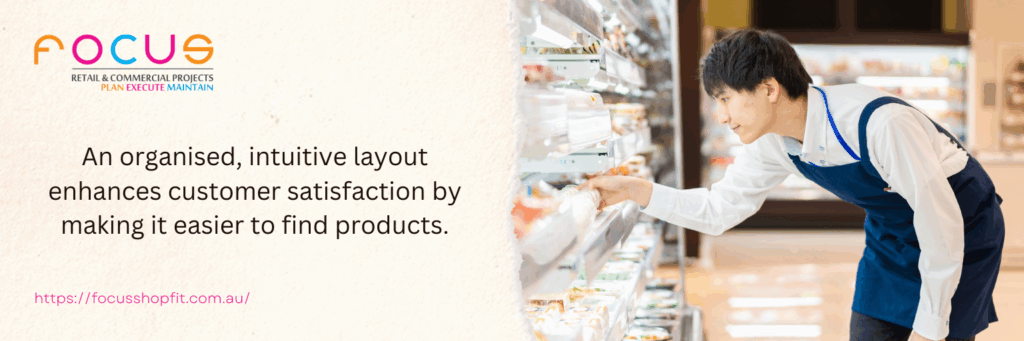
A cluttered or confusing layout can frustrate customers, leading them to leave without making a purchase. An organised, intuitive layout enhances customer satisfaction by making it easier to find products.
Encouraging impulse purchases
Strategically placed merchandise can encourage customers to make additional, often unplanned, purchases. For example, placing small, inexpensive items near the checkout can capitalise on impulse buying behavior.
Maximising space efficiency
In retail, space is money. Efficient use of space ensures that every square meter contributes to your revenue.
Product placement
By analysing sales data, retailers can identify which products are best sellers and allocate prime space to them. Less popular items can be placed in secondary locations.
Balancing aesthetics and functionality
While a store needs to look good, functionality should not be sacrificed. A layout that balances both can enhance the shopping experience without compromising sales potential.
Adapting to customer needs
Understanding your target market is crucial in designing a layout that meets their needs.
Accessibility
In Australia, retailers must comply with the Disability Discrimination Act, ensuring their stores are accessible to all customers. This includes considerations like aisle width and shelf height.
Cultural considerations
Australia's diverse population means that retailers may need to consider cultural preferences in their store layouts. For example, providing clear signage in multiple languages can enhance the shopping experience for non-English speakers.
Leveraging technology in store layout
Modern technology offers new ways to optimise store layouts.
Heat mapping
Using sensors to track customer movements can provide insights into shopping patterns, highlighting high-traffic areas and potential dead zones.
Virtual reality planning
Virtual reality tools allow retailers to visualise and test different layouts before implementing them, saving time and resources.
The crucial role of shopfitters in store layout optimisation
Shopfitters play an important role in making your store functional and aesthetically pleasing to customers. They can also provide the right layout optimization according to your store’s needs. Here are some factors.
Customised solutions
Every retail space is and should be unique; a shopfitting team like Focus Shopfit works closely with clients to design layouts that reflect their brand identity and meet their specific needs.
Expertise in retail
Fitout experts in Australia are well-versed in local regulations, cultural considerations, and consumer behaviors with extensive experience in the Australian market.
End-to-end service
From initial design concepts to installation, we provide comprehensive services to ensure a seamless transformation of your retail space.
The importance of a store layout cannot be overstated. It's a powerful tool that influences customer behavior, maximises space efficiency, and enhances the overall shopping experience. By investing time and resources into optimising your store layout, you set the stage for increased sales and sustained business growth.
Focus Shopfit is here to help Australian retailers navigate this critical aspect of their business. Contact us today to discover how we can transform your retail space into a strategic asset. Reach out to us and let's create a unique shopping experience that will keep customers coming back.

10 ultimate tips for preparing your retail store before shopfitting
Shopfitting is a significant milestone for any retail business. It transforms your store into a visually appealing, functional, and customer-friendly space that aligns with your brand. However, a successful commercial shopfitting project requires more than just a creative design and skilled fitters. Preparation is key to ensuring a smooth process and minimising disruptions to your operations.
At Focus Shopfit, we’ve worked with numerous Australian retailers to bring their store visions to life. In this article, we’ll guide you through the essential steps to prepare your retail store before you begin your fitout in Australia.
- Understand the purpose of shopfitting
Before diving into the logistics, it’s crucial to understand why you’re undertaking the shopfitting project. Is your goal to:
- Improve your store layout and maximise floor space
- Enhance the customer shopping experience
- Align your store design with a rebrand or marketing strategy
- Comply with new industry standards or regulations
A clear objective will help you communicate effectively with your shopfitters and make informed decisions.
- Assess your current store layout
Take a critical look at your current store layout. Identify areas that work well and those that need improvement and document these observations to provide a clear brief to your commercial shopfitting team. Consider factors like:
- Traffic flow: Are customers able to navigate your store easily?
- Product placement: Are high-margin items displayed prominently?
- Lighting and ambiance: Does your store feel welcoming and on-brand?
- Storage efficiency: Is there sufficient backroom space for inventory?
- Set a realistic budget
Shopfitting is an investment, and having a well-defined budget ensures you stay on track financially. Consider all potential costs, including:
- Design and consultation fees
- Construction and materials
- Temporary storage or relocation of inventory
- Permits and compliance costs
- Unexpected contingencies
- Create a detailed shopfitting plan
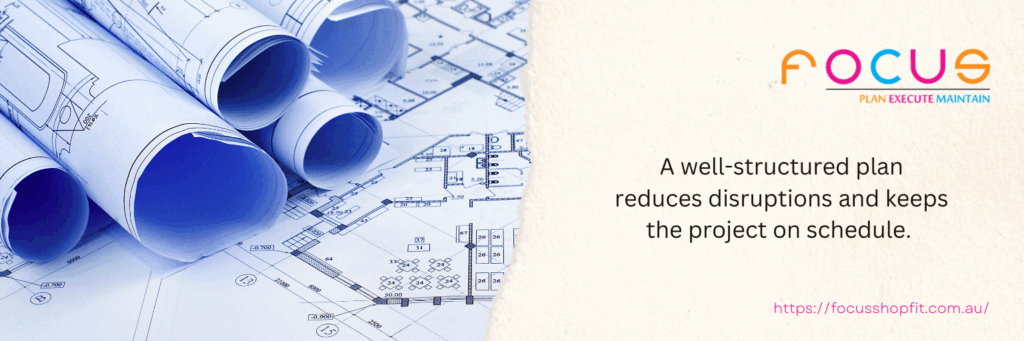
A well-structured plan reduces disruptions and keeps the project on schedule. Your plan should include:
- Timelines: Outline start and finish dates for each phase of the project.
- Roles and responsibilities: Clarify who will handle tasks like inventory relocation, cleaning, and contractor communication.
- Milestones: Break the project into stages (e.g., demolition, construction, installation) to monitor progress.
Collaborate with your shopfitters to ensure your plan is realistic and achievable.
- Secure necessary permits and approvals
In Australia, many shopfitting projects require permits to comply with local building codes and regulations. Consult with your local council and a shopfitting team like Focus Shopfit to ensure all legal requirements are met. These may include:
- Building permits for structural changes
- Electrical and plumbing approvals
- Fire safety compliance
- Clear the space
For a seamless process, your store needs to be decluttered and prepared for construction.
Inventory management
- Conduct a stock take to identify excess or outdated inventory.
- Offer discounts or promotions to clear out slow-moving stock.
- Relocate items that will remain in a secure temporary storage facility.
Furniture and fixtures
- Remove old shelving, counters, and displays that won’t be reused.
- Sell or donate items in good condition to offset costs.
- Coordinate with your shopfitting team
Clear communication with your shopfitter ensures everyone is on the same page. Discuss:
- Access: Provide shopfitters with the keys, codes, or access cards they’ll need.
- Utilities: Arrange for any necessary disconnections or reconnections (e.g., electricity, water, internet).
- On-site support: Designate a point of contact for queries or decisions during the project.
- Notify stakeholders
Keep all stakeholders informed about the shopfitting project to avoid confusion. This includes:
Staff
- Brief your employees about the project timeline and how it will affect their roles.
- Offer alternative tasks or training during any downtime.
Customers
- Announce temporary closures or changes to operating hours via social media, store website, and in-store signage.
- Create excitement by teasing the new store design and reopening date.
Suppliers
- Inform suppliers about any changes to delivery schedules or access points during the shopfitting period.
- Prepare for temporary operations
If you need to keep your business running during shopfitting, consider:
- Setting up a pop-up shop in a nearby location.
- Using e-commerce platforms to continue sales online.
- Communicating clearly with customers about how they can shop with you during this period.
- Inspect the premises
Conduct a thorough inspection of the premises, document any issues, and share them with your shopfitting team beforehand. You should look for:
- Potential hazards, such as exposed wiring or damaged flooring.
- Areas requiring special attention, like custom installations or repairs.
Preparing your retail store for shopfitting is a detailed process, but the results are well worth the effort. With careful planning, clear communication, and the right team by your side, you’ll create a space that enhances your brand and delights your customers.
Focus Shopfit prioritises transforming retail spaces across Australia. Our experienced team will guide you through every step of the process, ensuring your store is ready for a successful fit-out.
11 Essential retail design tips from professional shopfitters to boost sales
In the fiercely competitive world of retail, creating a memorable and engaging shopping experience is paramount. The design of your retail space should be more than just aesthetics. It should be a strategic tool that can influence customer behavior, enhance brand perception, and ultimately boost sales.
When shopfitting in Australia, where the retail landscape is as diverse as it is dynamic, standing out requires creativity and practicality. Focus Shopfit’s guide will share essential retail design tips to help you transform your store and elevate your business performance.
1. Understand your target audience
Your retail design should reflect the customers you aim to serve. In Australia's multicultural society, being aware of cultural nuances can make your store more welcoming to a broader audience. Understanding your target audience's demographics, preferences, and shopping habits is the foundation of effective retail design.
Utilise surveys, focus groups, and data analytics to gather insights. Using customer insight tools and social media metrics can provide valuable information about your customers.
2. Create an inviting storefront
Your storefront is the first impression customers will have, and it's important to make it look inviting to passersby. Craft window displays that tell a story or showcase your best products. Change them regularly to reflect seasons, holidays, or promotions. Ensure that your signage, color scheme, and overall façade align with your brand identity. Make sure entrances are accessible to everyone, including individuals with disabilities.
3. Optimise store layout
An optimised store layout not only enhances the shopping experience but also maximises sales potential by guiding customers through high-value areas. Choose a layout that suits your product type and customer flow. Use floor markers or subtle cues like flooring patterns to direct customer flow. Focus Shopfit ensures that your store layout is always made with precision in every fitout.
4. Strategic product placement
Where you place your products can significantly impact their sales performance. Identify areas in your store that receive the most traffic and place high-margin or promotional items there. Display related products together to encourage multiple purchases. Use the ends of the aisles for high-visibility promotions. Products placed at eye level tend to also sell better because they're easily noticed.
5. Effective lighting
Lighting sets the mood and can highlight key areas or products in your store. Adjust lighting intensity and color temperature to match the time of day or to create different moods. It is also useful in highlighting key elements of your storefront at night, extending its appeal beyond daylight hours.
- Ambient lighting provides overall illumination for the store.
- Accent lighting highlights particular products or displays.
- Consider LED lighting to reduce energy costs and environmental impact.
6. Incorporate technology
Modern consumers are tech-savvy, and integrating technology can enhance their shopping experience. Using technology to collect data on customer behavior can inform future design and marketing strategies.
- Digital signage: Showcase promotions, new arrivals, or interactive content with dynamic displays.
- Interactive kiosks: Allow customers to browse products, check inventory, or access additional information.
- Mobile integration: Offer free Wi-Fi and consider developing a store app for personalised offers. Nowadays, providing mobile payment options is also essential in retail stores.
7. Comfortable environment
A comfortable customer is more likely to spend time and money in your store. Clean facilities can significantly enhance the shopping experience as well. Ensuring your store is well-ventilated with a comfortable temperature.
Custom retail fixtures in Perth is an advantage as it can be adjusted according to your store’s needs. Keep aisles free from clutter to allow easy movement, especially for parents with prams or customers with mobility aids. Benches or lounge areas are also elements to consider for larger stores.
8. Regular updates and maintenance
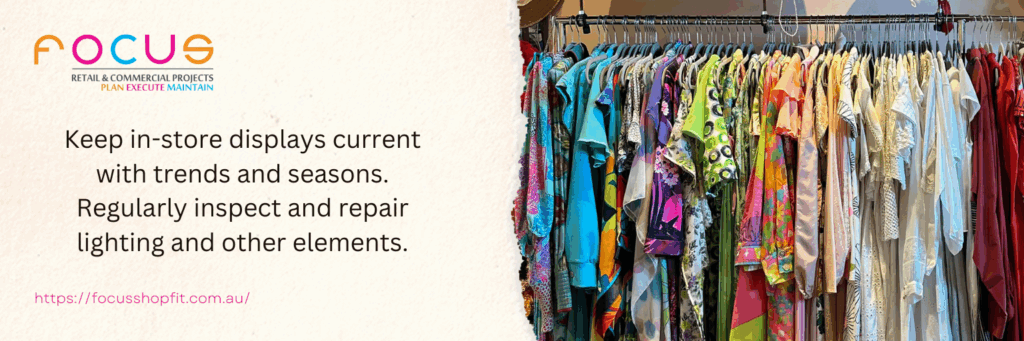
An outdated or poorly maintained store can deter customers. Keep windows and in-store displays current with trends and seasons. Regularly inspect and repair lighting and other elements. Keep an eye on retail design trends, such as sustainable materials or minimalist aesthetics. In addition, soliciting customer feedback on the store environment can help businesses identify areas for improvement.
9. Sensory experience
Engaging multiple senses can create a more immersive and memorable shopping experience. Balance is key to ensuring a positive customer experience.
- Soundscapes: Curate a playlist that aligns with your brand and appeals to your target audience. Upbeat music can energise shoppers, while softer tunes can create a relaxed atmosphere.
- Scents: Pleasant fragrances can enhance the mood and increase the time customers spend in your store. For example, a coffee shop might use the smell of roasted coffee beans to attract customers.
- Texture and touch: Allow customers to feel products or materials. Interactive displays where customers can touch and try products can increase engagement.
10. Accessibility and inclusivity
Designing your store to be accessible to all customers is not only ethical but can also expand your customer base. Incorporate features that accommodate people of all abilities, such as ramps, wide aisles, and accessible restrooms. Using large fonts and high-contrast colors can assist visually impaired customers.
To further enhance this, train your staff to assist customers with special needs and consider offering services like shopping assistance or quiet hours. Regularly review and update your accessibility features to comply with the latest standards and regulations.
11. Stay ahead of retail trends
The retail industry is constantly evolving, and staying informed about the latest trends can keep your store competitive. Blend online and offline experiences by offering services like click-and-collect or in-store online ordering kiosks. Create experiences that go beyond shopping, such as workshops, demonstrations, or events. Use technology to personalise the shopping experience, such as tailored recommendations or offers.
The right design can create emotional connections, foster brand loyalty, and set you apart from competitors. Shopfitting in Australia is not a one-time effort but an ongoing process that evolves with your business and customer expectations. At Focus Shopfit, we're dedicated to helping you navigate this journey.