Maintenance and care: How shopfitters make Australian retail stores look flawless
In the demanding, high-traffic world of Australian retail, a store's immaculate appearance is its most valuable asset. The counters, displays, lighting, and fittings that make up a stunning retail fitout are subjected to constant wear and tear, from trolley bumps and spilt coffees to the relentless stream of customers. Over time, this daily grind can make even the most sophisticated space look tired, impacting both brand perception and safety.
This is why the job of a professional shopfitter doesn't end when the grand opening ribbons are cut. For Australian businesses, engaging the original shopfitting companies or specialised facility managers for ongoing maintenance is an important operational decision that protects their significant capital investment and ensures uninterrupted trade.
The two pillars of retail upkeep: Reactive and preventative care
Professional shopfitters approach maintenance with a structured two-pronged strategy: reactive and preventative maintenance.
Reactive maintenance
This is the urgent, fix-it-now call when something critical breaks. It could be a door that won't lock after a break-in, a light circuit that suddenly fails and plunges a display into darkness, or a customer service counter with a damaged top that looks unprofessional. Shopfitters offer rapid response services, often operating 24/7, to address these issues swiftly. Their value here is immense, as they can dispatch the exact right skilled trade—be it an electrician, a glazier, or a joiner—to get the store fully operational and safe again with minimal downtime.
Preventative maintenance
This involves scheduled, proactive inspections and tune-ups designed to catch small issues before they become major disasters. This might include regular checks of high-wear areas like change room fixtures, tightening joinery that has loosened with heavy use, inspecting internal fire systems, or servicing the automated sliding shopfront doors. By sticking to a preventative maintenance schedule, retailers significantly extend the life of their original retail fitout, manage budgets better, and virtually eliminate costly emergency repairs.
Protecting the brand and ensuring compliance
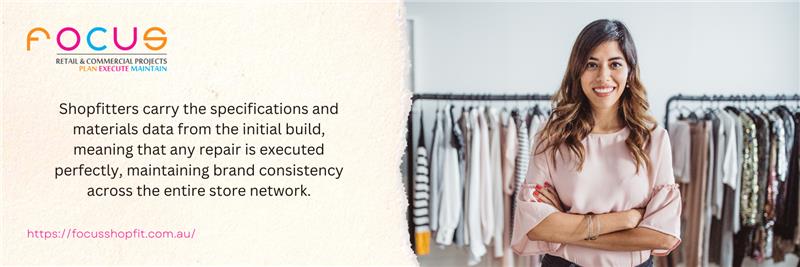
A poorly maintained shop is an instant brand killer. Chipped paint, misaligned shelving, or flickering lights not only look shabby but communicate a lack of care to the customer. The detailed focus of a professional shopfitter ensures that the store continues to live up to the original vision. They carry the specifications and materials data from the initial build, meaning that any repair is executed perfectly, maintaining brand consistency across the entire store network.
In Australia, commercial properties are governed by stringent codes related to fire safety, disability access, and structural integrity. A simple repair, if done incorrectly by an unqualified handyman, could put the store in breach of these regulations.
Professional shopfitters like Focus Shopfit ensures that all work, including minor repairs, adheres to Australian building standards and local council requirements. They manage the necessary certifications, giving the retailer peace of mind that their premises are safe for both staff and customers. By offering these end-to-end maintenance programs, shopfitters ensure the retail space remains a high-performing, compliant, and attractive asset for the long haul.
Contact our specialised team today and we'll protect your brand image, ensure compliance with Australian standards, and extend the lifespan of your store's fixtures.

Why professional shopfitters are retail owners’ best mate
Modern customers, whether they’re casually browsing a shopping centre in Sydney or hunting for a bargain in a suburban strip mall, expect an engaging and seamless experience. They demand a space that reflects quality, convenience, and contemporary style. This is precisely why more Australian retailers than ever are choosing to hire professional shopfitting companies to keep their brands looking fresh and trendy.

A worn-out store signals a tired brand, regardless of the quality of the merchandise on the shelves. For retailers who need to stay ahead of fickle consumer trends—from the rise of sustainability to the integration of seamless technology—a professional retail fitout is a vital strategic move to future-proof the business and maintain market relevance.
Translating trends into tangible design
One of the biggest advantages of working with a professional is their ability to translate broad, intangible retail trends into a practical, buildable shopfitting design. These experts are project managers, designers, and compliance experts all rolled into one. They understand that 'trendy' means more than just a popular colour palette.
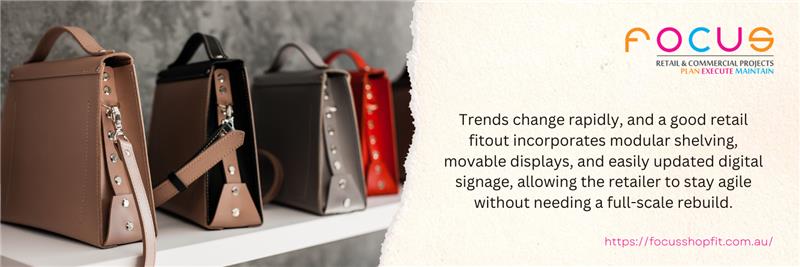
For example, the recent surge in demand for ethical and sustainable commerce needs to be reflected in the physical space. A skilled shopfitter will propose Australian-sourced, low-impact materials, energy-efficient LED lighting, and non-toxic finishes. This approach reflects the brand's commitment to Australian consumers who are becoming more conscious of their environmental footprint. The design must also be flexible. Trends change rapidly, and a good retail fitout incorporates modular shelving, movable displays, and easily updated digital signage, allowing the retailer to stay agile without needing a full-scale rebuild every few years.
Optimising the customer flow and experience
A store's layout—often called the "customer journey"—is a science, and professional shopfitters are the experts. An amateur redesign might look nice in a drawing, but it can create frustrating bottlenecks, confusing navigation, or 'dead zones' where merchandise goes unnoticed.
The aim of a contemporary design is to guide the customer naturally through the space, strategically exposing them to key products and impulse buys. This requires a deep understanding of retail psychology, which a seasoned shopfitter brings to the table. They know where to place the cash wrap to maximise add-on sales, how to use focal points and dramatic lighting to highlight hero products, and how to design fitting rooms or service areas that enhance privacy and comfort. In a competitive environment like the Australian market, this level of precision in spatial planning can dramatically increase the 'dwell time' of shoppers and, critically, improve conversion rates.
Compliance and project certainty
The final, and the most crucial reason Australian retailers rely on professionals is for project certainty and compliance. Commercial building regulations, safety standards, and accessibility requirements in Australia are complex and non-negotiable. Trying to manage multiple trades—electricians, plumbers, plasterers, and joiners—while ensuring every detail meets strict Australian building codes is a major headache for a business owner.
Professional shopfitting companies like Focus Shopfit manage this entire process from concept to completion. They handle the permits, coordinate the subcontractors, and guarantee that the final build is compliant, safe, and delivered on time and on budget. This allows the retailer to focus on their core business—stocking, staffing, and marketing—while the experts ensure the physical space is ready to trade flawlessly.
Investing in a professional retail fitout is an essential business decision. It’s the difference between a shop that merely exists and one that thrives and keeps the brand relevant, engages customers, and drives sustainable sales growth in the Australian market.
It's time to elevate your business from 'just a shop' to a strategic sales environment. Contact Focus Shopfit to incorporate the latest trends into a compliant, high-performing retail fitout.
Planning your retail design with expert Australian shopfitters
In the competitive Australian retail landscape, customers are drawn to an experience, and nothing captures their attention like a store that feels current, exciting, and perfectly aligned with the season or upcoming holiday. Whether preparing for the summer frenzy of Christmas and the Boxing Day sales, or the winter push for cosy home goods, retailers need a strategy for seamless seasonal transformation.
This is where experts like Focus Shopfit transition from simply building a store to becoming essential partners in proactive visual merchandising. By planning seasonal changes during the initial retail fitout design, businesses can create a space that is adaptable, cost-effective to change, and ready to maximise every sales peak.
Designing for a fluid retail calendar
The core challenge of seasonal design is avoiding costly, time-consuming structural changes four times a year. A professional shopfitting partner can design "fluid" stores built on flexible foundations, ensuring the seasonal refresh is as simple as swapping out display units.
The key is in the initial design specification, focusing on elements that are permanent, yet neutral, and those that are temporary and easily interchangeable.
- Modular fixtures and fittings. Shopfitters introduce modular shelving systems, mobile racks, and display plinths on castors. These items form the backbone of a successful seasonal transition. They can be wheeled to create a 'Summer Sandals' feature one month and reconfigured into a compact 'Winter Warmers' section the next. This flexibility is non-negotiable for high-volume stores that need their floor space to work hard all year round.
- Lighting that adapts: Lighting is one of the most cost-effective ways to change a mood. A good shopfitting partner will install track lighting and versatile accent lights that can be redirected or dimmed. For example, warm lighting can create a festive, intimate atmosphere for Christmas, while a cooler, brighter temperature is perfect for highlighting crisp spring fashion lines. The ability to control the colour temperature and intensity with minimal effort is a game changer for seasonal storytelling.
The blueprint for a successful seasonal refresh
Partnering with professional shopfitting companies allows retailers to integrate seasonal needs into the store’s DNA. This involves carving out designated 'Hot Zones' where changes are expected and encouraged.
- The decompression zone. Shopfitters like Focus Shopfit can install adjustable and dedicated wall panels or simple, open display tables here. This zone should have its own dedicated, easily changeable signage and accent lighting. It's the first impression, so it must house the current season's hero product.
- Feature walls. Instead of painting the entire store, a shopfitter can design a single feature wall using a neutral but textured base (like slatwall or perforated metal). This allows the retailer to swap in large, seasonal graphic panels, banners, or decorative fixtures without touching the permanent structure.
- POS displays. Custom-built point of sale (POS) units should include recessed areas designed specifically for small, rotating impulse buys relevant to the time of year (e.g., small sunscreen bottles in summer, novelty stocking stuffers in December).
Tips for optimising your seasonal shopfitting strategy
To truly nail the seasonal change, Australian retailers should adopt these planning tips with their shopfitting team:
- Plan ahead with a calendar. Develop an annual calendar with your shopfitting partner outlining every major event: Christmas, Easter, Back to School, Mother's Day, and the two major season changes. This allows materials and fixtures to be prepared and stored well in advance.
- Invest in multi-use fixtures. Choose materials and finishes that can be dressed up or down. A natural timber display plinth works equally well for vibrant beach towels in January as it does for deep-coloured winter scarves in June.
- Digital integration. Incorporate permanent digital screens into the fitout design. These screens can instantly update with new seasonal campaigns, saving the cost and environmental waste of printing new signage for every theme change.
The Australian retail calendar moves fast, and your space should too. Contact Focus Shopfit today to schedule a consultation and transform your store into a dynamic, year-round sales machine.
Why modern shopfitting is the ultimate trend setter for Australian retail
In the demanding Australian retail landscape, staying trendy is less about fleeting fads and more about future-proofing your business. For any owner, from the booming Sydney boutique to the classic Melbourne cafe, the physical space is the brand's most expensive and important advertisement. Professional fitouts like Focus Shopfit’s are the essential strategy that keeps businesses relevant, engaging, and in line with modern consumer expectations.
The days of simply installing shelves and a counter are long gone. Today's shopfitting project is a sophisticated blend of design, psychology, and technology, crafted to deliver a genuine experience. As consumers demand more value from their physical shopping trips, a well-executed fit-out provides the edge required to compete with global e-commerce giants.
The experience economy is non-negotiable
Australian shoppers are after engagement rather than just a quick transaction. This is the cornerstone of modern retail fitouts. Shopfitters are now designing spaces that foster interaction and tell a brand’s story. Think of immersive display zones, demonstration kitchens in food retail, or Instagrammable feature walls that encourage user-generated content and organic social buzz.
A trend-conscious fit-out seamlessly integrates a brand’s values into the architecture. For a sustainable brand, this means using reclaimed Australian timber, low-VOC finishes, and energy-efficient lighting. These elements are clear statements to ethical consumers, reinforcing brand loyalty from the moment they step off the pavement.
Modular design: The fast track to freshness
One of the biggest anxieties for business owners is committing to a design that will look dated in two years. Modern retail fitouts solve this problem with modular and flexible systems. Australian shopfitting companies like Focus Shopfit are masters of providing adaptability.
This flexibility allows retailers to swiftly change their floor plan to reflect seasonal campaigns, new product launches, or emerging shopping trends without costly, time-consuming renovations. Modular shelving, movable walls, and adjustable lighting tracks mean a business can transform its look and customer flow on a weekend. This ability to refresh the store’s ambience on a dime ensures the brand always feels current and exciting, a constant lure for repeat visits.
Seamlessly integrating tech
No trendy Australian store can ignore the digital world. The latest fitouts are defined by how cleverly they merge the physical and the digital. Shopfitting is responsible for the practical integration of this technology into the store’s structure.
Trends like phygital retail demand dedicated in-store solutions:
- Click-and-collect hubs: Clearly defined, custom-built areas for online order collection, turning an inconvenience into a streamlined service.
- Digital signage: High-definition screens replacing outdated posters, allowing for instant, dynamic updates on promotions and products.
- Self-service technology: Custom joinery to house self-checkout kiosks and interactive product screens, catering to the customer's desire for speed and control.
By thoughtfully designing the space around these technological touchpoints, a business shows it is current, efficient, and values the customer's time—hallmarks of a truly trendy brand. Ultimately, investing in a professional retail fitout such as Focus Shopfit is the most effective way for Australian business owners to secure a sophisticated, adaptable, and profitable physical space that will remain in vogue for years to come.
How professional shopfitting can transform your Brisbane Halloween theme
Halloween in Australia isn’t limited to children dressing up for trick or treat; it’s also an event where Brisbane businesses are scrambling to capture a piece of the spooky action. Simply hanging a few cheap cobwebs and a 'spooktacular' sign won't cut it anymore. To truly stand out in the competitive local market and turn passersby into paying customers, a professional approach to your seasonal display is essential. This is where expert Brisbane shop design comes in, transforming your store from everyday business to a compelling, themed retail experience.
The secret to a successful seasonal theme lies in the immersive environment you create, not just decorations. A professional shopfitter like Focus Shopfit understands that every element of your space contributes to the customer journey, and they apply this knowledge to your Halloween efforts, ensuring maximum impact in the short lead-up to the 31st of October.
The power of themed zones and traffic flow
One of the biggest advantages of working with a shopfitting professional is their expertise in layout and visual merchandising. For a temporary theme like Halloween, you need maximum impact with minimal disruption to your regular business. A fitter can design modular, temporary display solutions that are easily assembled and dismantled, yet look high-quality and structurally sound.
Imagine a specialty food store in Brisbane. Instead of scattering pumpkin spice items randomly, a shopfitter can create a dedicated “Witches' Brew” zone. They would use temporary, themed shelving or custom cardboard displays—a cost-effective and highly customisable option—to group related products: baking mixes, lollies, punch ingredients, and novelty serving ware. This strategic grouping increases the likelihood of impulse buys and cross-sales, as customers don't have to hunt for what they need.
Focus Shopfit can map out a “spooky path” through your store, ensuring the themed displays draw customers past your core products. This optimised traffic flow is crucial for maximising the profitability of your seasonal investment, turning browsing into buying.
Creating an immersive, brand-consistent environment
For the best results, your Halloween theme needs to feel immersive, not tacky. A professional shop design team will integrate the spooky elements seamlessly with your existing brand identity. This means choosing colour palettes, lighting, and materials that elevate the theme while still feeling like your store.
In Brisbane’s warmer climate, for example, a focus on ‘spooky but sophisticated’ might work better than a heavy, snow-themed approach. A shopfitter might recommend specific LED lighting installations to cast dramatic shadows and create atmosphere without a full-scale renovation. They can also design striking window displays that comply with local council regulations on size and placement, ensuring your external presence is both compliant and captivating.
A dedicated shopfitter provides essential project management skills combined with labour. This is invaluable for a temporary fit-out where time is money. They source materials, manage the installation, and ensure a swift, safe, and efficient transition from everyday shop to haunted haven, and back again, ready for the next seasonal push.
Driving engagement and word of mouth
In the age of social media, a professional fit-out should include elements designed for customer engagement. Think custom-built photo opportunity backdrops—perhaps an oversized coffin or a menacing but charming spider web arch—that encourages shoppers to snap a photo and share it online, tagging your Brisbane business. This viral marketing is a cost-effective way to boost foot traffic.
Ultimately, investing in professional shopfitting like Focus Shopfit for your Halloween theme elevates your shop from a retailer with a few decorations to a genuine retail experience. It’s about creating a memorable customer journey that drives increased sales, generates social media buzz, and strengthens your brand’s reputation as a business that commits to quality. Don’t get spooked by the competition! Partner with a local expert to deliver a truly memorable and profitable fright night.
How effective shopfitting refreshes your brand identity
In Australia's competitive retail landscape, your brick-and-mortar store should be far more than just a place to hold stock.It should also be the physical embodiment of your brand. When the merchandise, colours, and layout start feeling a bit stale, it's a sign of wear and tear and a signal that your brand identity might be losing its punch. This is where a strategic, professional shopfitting project comes into play. It’s an investment that goes deeper than a simple lick of paint, transforming your space to align with modern customer expectations and breathing new life into your entire retail environment.
For Aussie businesses, keeping up with local and global trends is crucial. Customers expect an experience, not just a transaction. A professional shop fitout company understands how to translate intangible brand values—like sustainability, luxury, or approachability—into tangible design elements that resonate with the local market.
Translating brand values into physical design
A successful brand refresh begins with a deep dive into your core identity. What has changed about your business, your target market, or your product line since the last fit-out? Your shopfitter acts as a design partner, ensuring that every element of the new space tells your brand story cohesively.
If your brand has embraced sustainability, the fit-out can champion this value through the use of reclaimed or locally sourced timbers, energy-efficient LED lighting, and recycled materials for flooring and displays. This isn't just a design choice. It can also be a powerful non-verbal cue that communicates your values to environmentally conscious Australian consumers. Similarly, if your brand is moving upmarket, an update might involve sophisticated finishes, custom joinery, and strategic, dramatic lighting to create a feeling of exclusivity and quality.
The key is consistency. A professional shop fitout company ensures that the new colours, textures, and fixtures align perfectly with your updated logo, packaging, and digital presence, creating a seamless and memorable retail environment that reinforces your brand at every touchpoint.
Optimising the customer journey
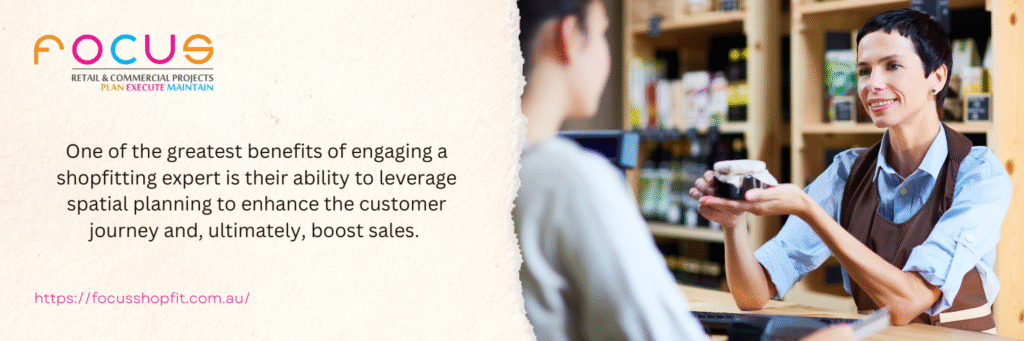
A refreshed brand identity is pointless if the store layout is confusing or inefficient. One of the greatest benefits of engaging a shopfitting expert is their ability to leverage spatial planning to enhance the customer journey and, ultimately, boost sales.
An outdated layout can lead to 'dead zones' where customers don't venture, or 'choke points' that lead to frustration. A new fit-out can solve these issues by optimising the floor plan for better traffic flow. This might involve creating dedicated 'experiential' zones—a quiet corner for product demonstrations, an interactive screen area, or a comfortable seating section—that encourage customers to linger and engage with the brand for longer.
Think of it as creating a curated exhibition of your brand. The shopfitter ensures that key visual merchandising moments are perfectly illuminated and positioned to draw the eye, turning a passive browsing trip into an active exploration. This thoughtful design directly impacts how customers feel about your brand, —making it feel modern, logical, and easy to interact with.
Future-proofing for agility and longevity
In the fast-moving Australian retail sector, a brand refresh shouldn't require a complete demolition in three years. A quality shopfitting project is designed with flexibility in mind. This means incorporating modular shelving, mobile display units, and versatile wall systems that allow you to easily adapt the space for seasonal campaigns, new product launches, or even evolving social distancing needs.
This retail fitout flexibility not only saves money in the long run but ensures your physical store can keep pace with your brand's evolution. By partnering with experts who prioritise durable, high-quality Australian-standard materials and construction, you ensure your investment stands the test of time, reflecting the lasting quality and commitment of your brand.
A refresh from a shop fitout company like Focus Shopfit is the ultimate statement of intent. It shows your customers—and your competition—that your brand is modern, invested in quality, and ready to compete in the demanding Australian market, transforming your identity from tired to triumphant.
How modern shopfitting transforms customer experience
Nowadays, brick-and-mortar stores are no longer just places to buy products; they are crucial touchpoints for brand interaction, storytelling, and community building. The silent architect behind a memorable in-store journey is shopfitting, a discipline that goes far beyond shelves and counters. Modern shopfitting in Sydney is about strategically designing and equipping a retail space to captivate, guide, and serve the customer, directly improving their overall experience and ultimately driving sales.
Understanding the power of a well-executed shopfit is paramount. It’s an investment that can redefine your brand, streamline operations, and turn casual browsers into loyal advocates.
First impressions and brand storytelling
The moment a customer steps into your store, their experience begins. Visual cues, lighting, and layout contribute to a crucial first impression. Focus Shopfit brings effective shopfitting that can represent your brand's identity and story.
- Invest in high-quality materials and finishes that align with your brand's perceived value. A luxury brand might opt for bespoke timber and polished chrome, while an eco-conscious brand could use reclaimed wood and sustainable textiles. Consistency across all elements, from your signage to your display units, reinforces your brand message.
- A cohesive, attractive, and well-maintained interior signals professionalism and attention to detail. It creates an inviting atmosphere that makes customers feel comfortable and eager to explore, reducing initial resistance and setting a positive tone for their visit.
Intuitive layout and flow
One of the most critical aspects of shopfitting is the strategic arrangement of elements within the store. An intuitive layout guides customers effortlessly through your merchandise, highlighting key products and promotions without overwhelming them. Poor flow, on the other hand, can lead to frustration, missed opportunities, and a quick exit.
- Map out your customer journey. Where do they naturally look first? How can you create clear pathways that lead them from entry to your hero products, then to complementary items, and finally to the checkout? Utilise different types of retail display solutions to break up the space and create distinct zones for product categories. Consider the "decompression zone" just inside the entrance, where customers can adjust and take in their surroundings before being presented with merchandise.
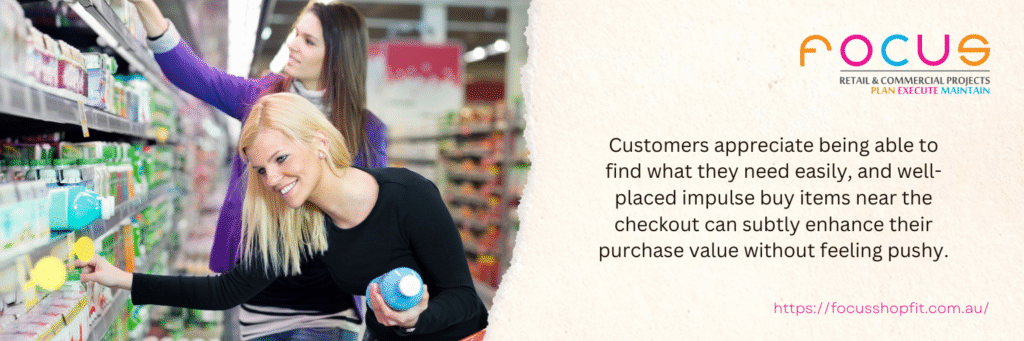
- A logical flow reduces cognitive load, making shopping feel less like a chore and more like a discovery. Customers appreciate being able to find what they need easily, and well-placed impulse buy items near the checkout can subtly enhance their purchase value without feeling pushy.
Engagement and interaction
Today's consumers crave experiences. Modern shopfitting integrates technology and design to transform passive shopping into an interactive and engaging journey. This is where the physical store truly shines over online retail.
- Think beyond static displays. Can you incorporate interactive screens that allow customers to customise products? What about comfortable seating areas where they can test products or charge their phones? Consider 'play' zones for children in family-oriented stores, or demonstration areas for specific products. Even subtle elements like adjustable lighting that changes mood can create an immersive experience.
- By creating opportunities for interaction, you encourage customers to spend more time in your store, fostering a deeper connection with your brand and products. Engaged customers are more likely to make a purchase, remember their visit fondly, and share their positive experience with others.
Visual merchandising and product presentation
Your products are the stars of the show, and shopfitting provides the stage. Effective visual merchandising, supported by well-designed fixtures, makes products appealing, accessible, and desirable.
- Regularly refresh your displays to keep the store feeling dynamic and exciting. Use varying heights, textures, and lighting to create visual interest. Highlight new arrivals or best-sellers with dedicated, well-lit display units. Focus Shopfit ensures that products are easy to reach and examine before being purchased.
- When products are beautifully presented and easy to navigate, customers feel more confident in their purchasing decisions. A store that looks curated and thoughtfully arranged implies quality and care, reflecting positively on the products themselves.
Back-of-house and checkout efficiency
While often overlooked, the efficiency of your back-of-house operations and checkout area significantly impacts the customer experience. A well-designed stockroom means staff can quickly replenish shelves, while a streamlined checkout process reduces frustration.
- Even small improvements in the checkout area can have a big impact. Consider comfortable queueing areas, clear instructions for payment methods, and opportunities for last-minute impulse buys. Ensure staff have ergonomic and functional spaces to work, enabling them to focus on customer service rather than struggling with inefficient layouts.
- Fast, seamless transactions are a non-negotiable expectation. When the checkout process is efficient and hassle-free, customers leave on a high note, reinforcing their positive overall experience.
Modern shopfitting is a dynamic and essential tool for any retail store owner looking to evolve. It’s an ongoing conversation between your brand, your space, and your customers. By strategically investing in retail display solutions and thoughtful design, you're not just building a store; you're crafting an unforgettable customer experience that fosters loyalty and drives engagement. Focus Shopfit can evaluate and adapt your fitout based on customer feedback and evolving retail trends that make your store vibrant and profitable.
An essential guide to consulting with shopfitters
Embarking on a retail fitout, whether a complete overhaul or a minor refurbishment, is one of the most significant investments a store owner will make. The key to a successful project lies in selecting the right partner, such as Focus Shopfit, and being meticulously prepared for the initial consultation. For business owners seeking top-tier results from commercial shopfitting in Sydney, here is an essential guide on what to prepare and the critical questions to ask to ensure your vision is executed flawlessly.

What to prepare before the consultation
Shopfitters like Focus Shopfit are problem-solvers and designers, but they need a detailed brief to work effectively. Walking into a meeting with only a vague idea is the fastest way to unnecessary delays and cost overruns.
- Define your vision and goals
A good shopfit should be about business strategy and not just aesthetics. Before the meeting, you must answer:
- Core objective. Are you looking to increase customer dwell time, showcase new product lines, improve staff efficiency, or simply modernise?
- Brand identity. Gather examples (a Pinterest board or mood board is excellent) of the look, feel, materials, and colours that represent your brand. Do you want a minimalist, industrial, or luxury feel?
- Functionality. Create a wish list of essential components: required display capacity, the number of change rooms, counter size, back-of-house storage needs, and any essential technology integration (digital screens, smart shelving).
- Solidify your budget and timeline
Be honest and transparent about your financial constraints from the start.
- Budget. Define a realistic, maximum budget. Include a 10-15% contingency for unforeseen issues. A good shopfitter can value-engineer a design to meet your price point, but only if they know the number upfront.
- Timeline. Determine your non-negotiable opening or reopening date. Also, identify how long you can afford to have your store closed (or operating under disruption). The timeline dictates the project's scale and intensity.
- Documents. Have floor plans, lease documents, and any specific landlord or shopping centre design guidelines ready. These documents contain crucial constraints and requirements that will affect the design and compliance process.
Questions to ask your prospective shopfitter
The consultation is your chance to vet potential partners and assess their capabilities, communication style, and trustworthiness.
- Experience and expertise
Ask questions that confirm their ability to handle a project like yours in a complex regulatory environment like Australia.
- Focus on whether their past work reflects the quality and style you seek.
- When commercial shopfitting in Sydney, navigating building codes and tenancy guidelines can be complex. You need a shopfitter who handles this process efficiently.
- Speaking to past clients is the best way to verify their claims of quality and on-time delivery.
- Project scope and management
These questions clarify exactly what they will deliver and how they will operate. Companies like Focus Shopfit can ensure all concerns are attended to with transparency and honesty.
- Ensure the quote is comprehensive to avoid hidden costs. Clarify their policy on managing unexpected site issues.
- Clear communication is the backbone of a stress-free fitout. You need to know who to call and when.
- Proactive shopfitters will have contingency plans and a network of local suppliers to mitigate risks.
- Warranty and handover
A professional relationship doesn’t end when the build is complete.
- A standard warranty demonstrates confidence in their build quality.
- These documents are vital for future maintenance, insurance, and compliance.
By approaching your consultation with a detailed brief and asking these sharp, strategic questions, you put your business in the best position for a smooth and successful project. Finding the right retail shopfitting company or anywhere else is about partnership, and preparation is the foundation of that success.
The unrivaled benefits of modular shopfitting
Store owners often face constant pressure to adapt to changing consumer trends, seasonal demands, and the dynamic interplay between online and offline shopping. This is where modular shopfitting solutions emerge as a game-changer, offering an unparalleled blend of flexibility, cost-effectiveness, and sustainable design. Moving away from rigid, built-in fixtures, modular systems provide components that can be easily rearranged, reconfigured, and reused, making them an intelligent investment for any modern retailer.
Let’s explore the benefits of modular shopfitting in Australia, transforming how businesses approach their physical retail spaces.
- Unmatched flexibility and adaptability
The core strength of modular shopfitting lies in its inherent flexibility. Unlike traditional custom-built fixtures that are permanent once installed, modular systems consist of interchangeable components like shelves, display units, changing rooms, and even entire counter systems that can be assembled, disassembled, and repositioned with relative ease.
- Retailers can swiftly alter their store layout to accommodate new product launches, seasonal promotions, or special events. This means you can create a fresh shopping experience without the time and expense of a full renovation.
- Showcase different product categories with varying display needs. A clothing boutique might need hanging rails one month and folded display tables the next, all achievable with the same base system. This adaptability keeps your store exciting and responsive to customer interest.
- Significant cost savings over time
While the initial investment in high-quality modular systems might seem comparable to custom builds, the long-term cost benefits are substantial, particularly for retailers who frequently refresh their displays or have multiple locations.
- With modular systems, you only pay for new components when needed, saving significantly on labour, materials, and waste disposal costs associated with traditional teardowns.
- Modular components are assets that can be moved, stored, and redeployed. If you relocate or open a new store, your investment moves with you, drastically cutting the fit-out costs for new locations. This makes them an exceptionally efficient choice for businesses with evolving physical footprints.
- Modular systems are designed for quick assembly, meaning less downtime for your store and a faster return to revenue-generating operations. This efficiency translates directly into cost savings.
- Sustainable and environmentally friendly
In an era where environmental responsibility is considered in design, modular shopfitting solutions offer a compelling eco-conscious choice.
- Reduced Waste. By reusing and reconfiguring existing components, modular systems significantly cut down on landfill waste generated from demolishing outdated fixtures. This aligns perfectly with circular economy principles.
- Sustainable Materials. Many modular systems are designed with sustainability in mind, utilizing recycled, recyclable, or sustainably sourced materials.
- Energy Efficiency. Faster installations and less construction work mean a lower carbon footprint associated with each store update.
- Enhanced aesthetics and brand consistency
Modern modular shopfitting like Focus Shopfit’s works can emphasise sophisticated designs, a wide array of finishes, and premium materials that can elevate your store's aesthetic.
- Sleek and modern appearance. Contemporary modular systems are designed for visual appeal, offering clean lines and seamless integration that contribute to a polished and professional look.
- Brand uniformity across locations. For businesses with multiple stores, modular systems ensure consistent branding and customer experience regardless of location, reinforcing brand identity. You can deploy the same high-quality fixtures in Perth, Sydney, or Melbourne, maintaining a uniform brand presence.
- Focus on visual merchandising. Modular systems often facilitate better visual merchandising by providing versatile platforms for product presentation, lighting integration, and signage, making it easier to create impactful displays.
- Future-proofing your investment
The retail landscape is constantly shifting, driven by technology, consumer expectations, and economic factors. Investing in modular shopfitting solutions safeguards your business against being outdated.
- Adapt to new technology. As new digital screens, interactive displays, or smart shelving solutions emerge, modular systems can often integrate them without requiring a complete overhaul.
- Respond to market trends. Whether it's a shift towards experiential retail, pop-up concepts, or omnichannel integration, your flexible store environment can quickly adapt to meet these new demands.
For retail store owners seeking longevity, efficiency, and adaptability, modular shopfitting is an indispensable strategy. It offers a powerful blend of economic benefits, environmental responsibility, and unparalleled design versatility, ensuring your physical space remains dynamic, engaging, and profitable in a continually evolving market. Focus Shopfit provides custom shopfitting solutions to future-proof your business and elevate your customer experience.
On how experienced shopfitters help retail stores adapt to modern technology
In today’s retail landscape, the integration of modern technology into store design has become a critical factor in attracting and retaining customers. Retailers must not only keep up with constantly changing consumer demands but also ensure their stores are equipped with the latest technology to provide a seamless shopping experience. This is where retail shopfitters play a crucial role. Shopfitters help retail businesses bridge the gap between traditional store layouts and tech-savvy innovations, creating a harmonious environment that enhances customer engagement.
As a leading retail shopfitting service provider in Australia, Focus Shopfit specialises in helping stores implement modern technology while maintaining functional and aesthetically pleasing spaces.
In this blog, we’ll explore how shopfitters assist retail stores in adapting to modern technology and staying competitive in the digital age.
The role of shopfitters in modern retail environments
Shopfitters are design strategists who understand the complexities of retail space planning, customer behavior, and the technological needs of modern stores. Whether it’s integrating smart displays, upgrading store fixtures, or optimising the overall layout, shopfitters ensure that a store’s infrastructure supports the latest technology trends.
1. Smart displays and interactive technology integration
One of the most significant ways modern technologies have changed the retail industry is through the use of smart displays and interactive touchpoints. These technologies engage customers directly, offering them personalised experiences, product information, and even the ability to make purchases right from the display.
Interactive touchscreens: Many retailers are using touchscreens as part of their shop display equipment to allow customers to browse products, check prices, or access additional information without assistance from staff. Shopfitters ensure these touchscreens are strategically placed in high-traffic areas, making them convenient for customers to use.
Digital signage: In addition to interactive displays, shopfitters help retail stores install digital signage, which can be updated in real-time to display promotions, product information, or interactive content. This not only modernises the shopping experience but also allows retailers to change messaging without the need for new printed materials.
2. Optimising retail store fixtures for technology
Shopfitters work closely with retailers to design and install fixtures that meet these requirements while maintaining a clean, cohesive aesthetic.
Custom fixtures for smart devices: With more stores implementing mobile point-of-sale (POS) systems, retail store fixtures need to accommodate charging stations, docking areas, and secure storage for these devices. Shopfitters can design fixtures and supplies that seamlessly integrate these elements into counters, shelves, and display units.
Cable management systems: As more technology is integrated into retail spaces, the risk of unsightly and potentially dangerous cables increases. Shopfitters offer solutions such as custom shop display furniture with built-in cable management systems to keep cables hidden and organised, ensuring both safety and visual appeal.
3. Future-proofing retail spaces with modular design
Technology evolves rapidly, and retailers need to be prepared to upgrade or replace systems without costly overhauls of their store layouts. This is where modular design comes into play, and it’s an area where Focus Shopfit excels.
Modular shop displays: Shopfitters design and build modular shop display furniture for sale that can be easily reconfigured or expanded as technology needs change. For example, shelving units or counters can be designed to accommodate future digital displays or additional smart devices, making it easier to adapt the store to technological advances.
Scalable retail fixtures: Retailers often look for retail store fixtures near me that offer flexibility and scalability. Shopfitters provide solutions such as modular shelving systems that can be expanded or adjusted without requiring a complete redesign of the store. This flexibility ensures that retailers can adapt to new technologies as they become available.
4. Enhancing customer experience with technology-driven layouts
Shopfitters play a vital role in ensuring that modern technology enhances the customer experience rather than detracting from it.
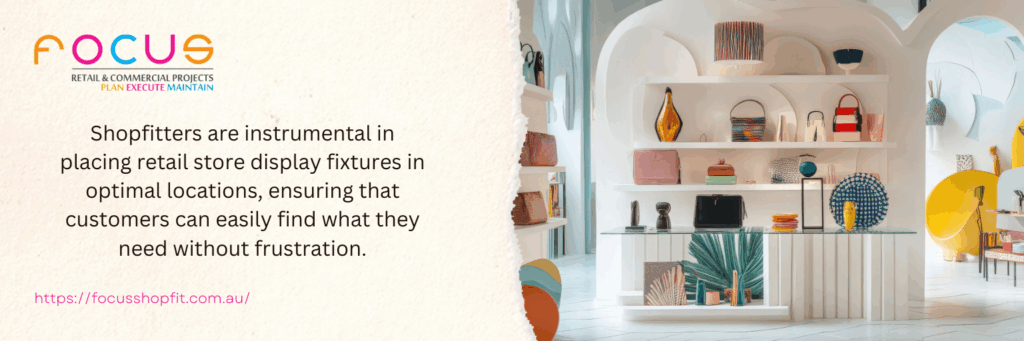
Wayfinding technologies: With the rise of larger retail spaces, many stores are implementing wayfinding technologies, such as digital kiosks or interactive maps, to help customers navigate the store. Shopfitters are instrumental in placing these retail store display fixtures in optimal locations, ensuring that customers can easily find what they need without frustration.
Seamless checkout experiences: As more retailers adopt cashless and mobile payment systems, retail shopfitters help design checkout areas that accommodate new technologies while maintaining an efficient flow of traffic. For example, shopfitters can install custom shop display furniture that integrates mobile payment stations, reducing wait times and improving the overall customer experience.
5. Sustainable shopfitting solutions for modern technology
As retailers embrace technology, there’s also a growing demand for sustainable shopfitting solutions. Shopfitters are responding by incorporating eco-friendly materials and energy-efficient technologies into their designs.
Energy-efficient lighting: One of the most common technological upgrades is energy-efficient LED lighting. Shopfitters not only install these systems but also ensure that they are strategically placed to highlight key areas such as product displays, promotional zones, and checkouts. This not only reduces the store’s carbon footprint but also enhances the visual appeal of the store.
Recycled and eco-friendly materials: Shopfitters today are incorporating sustainable materials like recycled wood and metals into their retail shop fittings in Perth. These materials help reduce the environmental impact of store design while providing retailers with unique, visually appealing shop display equipment.
6. Security and loss prevention technologies
Modern technology plays a key role in loss prevention and security, and shopfitters help retailers integrate these systems into their store designs.
Smart security cameras and sensors: Today’s security systems often include smart cameras and sensors that can monitor customer activity in real time and detect unusual behavior. Shopfitters design retail store fixtures that discreetly house these devices, ensuring that they blend seamlessly into the store’s aesthetics while providing full coverage.
Electronic article surveillance (EAS) systems: EAS systems are essential for preventing theft in many retail environments. Shopfitters work with retailers to install these systems in a way that is both effective and visually unobtrusive, often integrating sensors directly into retail store display fixtures or entryways.
7. Adapting to e-commerce and omnichannel retailing
The rise of e-commerce and omnichannel retailing means that physical stores must adapt to serve both online and offline customers seamlessly. Shopfitters help retailers create spaces that support omnichannel strategies, ensuring a consistent customer experience across all touchpoints.
Click-and-collect areas: Many retailers are adopting click-and-collect services, where customers can order online and pick up in-store. Shopfitters design designated areas with shop display furniture that is easy to access and navigate, ensuring a smooth customer journey from online to offline.
Integrated e-commerce displays: Shopfitters also help retailers blend their online and offline experiences by designing retail store display fixtures that feature QR codes or digital displays linked to the retailer’s e-commerce platform. This allows customers to browse products in-store while having the option to purchase online, offering greater flexibility.
At Focus Shopfit, we specialise in creating custom solutions for retailers looking to stay ahead of the curve. Whether you’re seeking sustainable materials for your retail shop fittings in Perth or looking to implement cutting-edge shop display equipment, our team has the expertise to help you design a store that meets your technological needs while enhancing the customer experience.