
Understanding a shop fitout timeline before committing to a lease or setting a trading start date can prevent significant stress and financial exposure. Business owners regularly underestimate how long a fitout takes, particularly when council approvals, custom manufacturing, and trades coordination are factored in alongside the physical construction work.
This guide walks through the main phases of the commercial fitout process in Australia and provides realistic timeframes based on project type and scope. The phases below are broadly sequential, though experienced fitout teams run procurement in parallel with approvals to compress the overall programme. For a consolidated view of the full process, this commercial fitout checklist is a useful companion reference.
Phase 1: Brief, concept, and design – 2 to 6 weeks
Every fitout begins with a brief. This covers operational requirements, customer experience goals, brand identity, any technical constraints of the tenancy, and the commercial parameters within which the design must be delivered. From the brief, a concept design is developed and refined through rounds of feedback. A straightforward retail shopfit may move through this phase in two to three weeks. A more complex project involving multiple departments, specialist fitout categories, or a new brand identity can extend this phase to six weeks or beyond.
Getting this phase right is what allows everything downstream to run without costly rework. Changes made on paper cost almost nothing. Changes made during construction cost considerably more. The Australian Institute of Architects provides guidance on what thorough design documentation involves, which gives useful context when evaluating the quality of a shopfitter’s design process before any documents are signed.
Phase 2: Documentation and approval – 4 to 10 weeks
Once the design is agreed, construction documentation is prepared: architectural drawings, engineering specifications, joinery drawings, and a formal scope of works. Depending on the nature of the work, the tenancy may require council development approval (DA) or a complying development certificate (CDC), or the works may only need landlord and building management sign-off. The Australian Building Codes Board (ABCB) provides guidance on the building approval framework across Australian jurisdictions, which is useful background for anyone navigating this process for the first time.
In shopping centres, landlord approval involves a design audit against the centre’s fitout guidelines, which can include requirements around materials, signage size, lighting colour temperature, and service access provisions. This process can take three to six weeks depending on the centre management team’s workload and how well the submitted documentation meets their standard requirements. This phase is where the most unpredictable delays occur in the overall programme, which is why engaging a shopfitter familiar with the relevant approval process makes a meaningful difference to the total timeline.
Phase 3: Procurement and manufacturing – 3 to 8 weeks
Custom joinery typically takes four to eight weeks to manufacture, depending on design complexity, finish selection, and the manufacturer’s current capacity. The commercial fitout process runs more efficiently when procurement begins as soon as the design is locked and before formal approvals are fully resolved, provided the design is unlikely to change materially during the approval process.
Running procurement in parallel with approvals is standard practice for experienced fitout teams and is the single most effective way to compress the overall programme without cutting corners. For broader context on what the full scope of a shopfit includes and where the cost sits across different project types, the 2026 price guide for shop fitouts in Australia covers the variables in detail.
Phase 4: On-site construction – 2 to 8 weeks
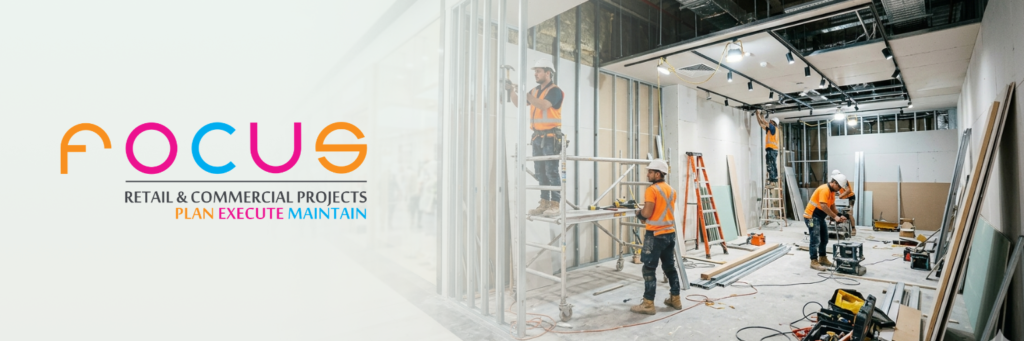
The physical construction phase covers demolition and strip-out where required, rough-in trades including electrical, plumbing, and data, framing and lining, ceiling installation, joinery installation and fitting, floor finishes, painting and decoration, and final fixtures. The duration of this phase varies considerably by project type and tenancy condition.
A basic refresh of an existing retail space with minimal structural change may take two to three weeks on site. A full strip-out and new fitout for a 200 square metre retail tenancy typically takes five to eight weeks. Hospitality and medical environments with complex mechanical services, exhaust systems, or specialised compliance requirements generally sit at the upper end of the range or beyond it. The key variable is the number of trades working on site and how well their sequencing has been planned in advance.
Phase 5: Commissioning and defects – 1 to 2 weeks
Once construction is substantially complete, a commissioning period covers testing of electrical and mechanical systems, review of all finishes and joinery against the approved specification, checking of signage and fixtures, and a formal defects inspection with the client. Reviewing common mistakes to avoid during a retail fitout is useful preparation for this stage to ensure nothing has been overlooked before keys are handed over. Rushing to open without completing a proper defects inspection creates risk around safety compliance, warranty coverage, and the quality guarantee.
Summary of typical total timeframes
- Straightforward retail shopfit in an existing tenancy with landlord approval only, no council DA required: 8 to 14 weeks from brief sign-off to opening
- Full commercial fitout in a new tenancy requiring council DA or shopping centre approval process: 16 to 24 weeks from brief sign-off to opening
- Hospitality, pharmacy, or medical fitouts with complex services requirements: typically at the upper end of that range, sometimes extending beyond 24 weeks depending on the approval pathway

What causes delays and how to manage them
The most common causes of fitout delay in Australian commercial projects are incomplete design documentation that leads to variations on site, approvals that take longer than anticipated because of insufficient documentation or late submissions, materials ordered without confirmed lead times creating gaps in the construction programme, and insufficient trades coordination leading to sequencing conflicts and rework. Each of these causes is substantially mitigated by engaging a shopfitter with strong project management capability before the brief is finalised.
Focus Shopfit’s execution service addresses these variables through dedicated project management from the approval phase through to installation and commissioning. You can review how that process is structured before your project begins to understand how each phase is managed and where accountability sits.
If you are ready to map out a realistic shop fitout timeline for your project, contact Focus Shopfit to start the conversation with a team that has managed Australian fitout projects across retail, commercial, hospitality, and medical sectors since 1984.