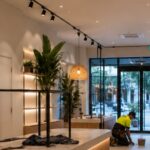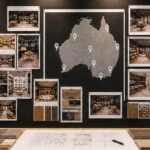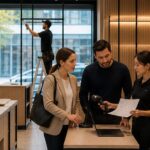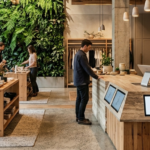
In the fiercely competitive world of retail, creating a memorable and engaging shopping experience is paramount. The design of your retail space should be more than just aesthetics. It should be a strategic tool that can influence customer behavior, enhance brand perception, and ultimately boost sales.
When shopfitting in Australia, where the retail landscape is as diverse as it is dynamic, standing out requires creativity and practicality. Focus Shopfit’s guide will share essential retail design tips to help you transform your store and elevate your business performance.
1. Understand your target audience
Your retail design should reflect the customers you aim to serve. In Australia’s multicultural society, being aware of cultural nuances can make your store more welcoming to a broader audience. Understanding your target audience’s demographics, preferences, and shopping habits is the foundation of effective retail design.
Utilise surveys, focus groups, and data analytics to gather insights. Using customer insight tools and social media metrics can provide valuable information about your customers.
2. Create an inviting storefront
Your storefront is the first impression customers will have, and it’s important to make it look inviting to passersby. Craft window displays that tell a story or showcase your best products. Change them regularly to reflect seasons, holidays, or promotions. Ensure that your signage, color scheme, and overall façade align with your brand identity. Make sure entrances are accessible to everyone, including individuals with disabilities.
3. Optimise store layout
An optimised store layout not only enhances the shopping experience but also maximises sales potential by guiding customers through high-value areas. Choose a layout that suits your product type and customer flow. Use floor markers or subtle cues like flooring patterns to direct customer flow. Focus Shopfit ensures that your store layout is always made with precision in every fitout.
4. Strategic product placement
Where you place your products can significantly impact their sales performance. Identify areas in your store that receive the most traffic and place high-margin or promotional items there. Display related products together to encourage multiple purchases. Use the ends of the aisles for high-visibility promotions. Products placed at eye level tend to also sell better because they’re easily noticed.
5. Effective lighting
Lighting sets the mood and can highlight key areas or products in your store. Adjust lighting intensity and color temperature to match the time of day or to create different moods. It is also useful in highlighting key elements of your storefront at night, extending its appeal beyond daylight hours.
- Ambient lighting provides overall illumination for the store.
- Accent lighting highlights particular products or displays.
- Consider LED lighting to reduce energy costs and environmental impact.
6. Incorporate technology
Modern consumers are tech-savvy, and integrating technology can enhance their shopping experience. Using technology to collect data on customer behavior can inform future design and marketing strategies.
- Digital signage: Showcase promotions, new arrivals, or interactive content with dynamic displays.
- Interactive kiosks: Allow customers to browse products, check inventory, or access additional information.
- Mobile integration: Offer free Wi-Fi and consider developing a store app for personalised offers. Nowadays, providing mobile payment options is also essential in retail stores.
7. Comfortable environment
A comfortable customer is more likely to spend time and money in your store. Clean facilities can significantly enhance the shopping experience as well. Ensuring your store is well-ventilated with a comfortable temperature.
Custom retail fixtures in Perth is an advantage as it can be adjusted according to your store’s needs. Keep aisles free from clutter to allow easy movement, especially for parents with prams or customers with mobility aids. Benches or lounge areas are also elements to consider for larger stores.
8. Regular updates and maintenance
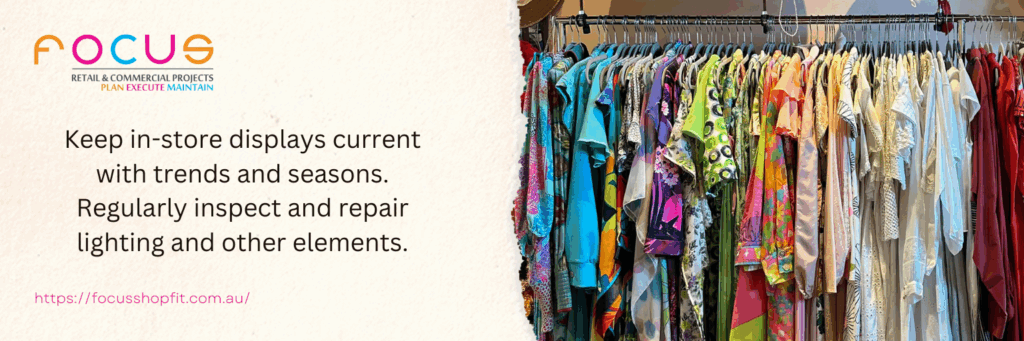
An outdated or poorly maintained store can deter customers. Keep windows and in-store displays current with trends and seasons. Regularly inspect and repair lighting and other elements. Keep an eye on retail design trends, such as sustainable materials or minimalist aesthetics. In addition, soliciting customer feedback on the store environment can help businesses identify areas for improvement.
9. Sensory experience
Engaging multiple senses can create a more immersive and memorable shopping experience. Balance is key to ensuring a positive customer experience.
- Soundscapes: Curate a playlist that aligns with your brand and appeals to your target audience. Upbeat music can energise shoppers, while softer tunes can create a relaxed atmosphere.
- Scents: Pleasant fragrances can enhance the mood and increase the time customers spend in your store. For example, a coffee shop might use the smell of roasted coffee beans to attract customers.
- Texture and touch: Allow customers to feel products or materials. Interactive displays where customers can touch and try products can increase engagement.
10. Accessibility and inclusivity
Designing your store to be accessible to all customers is not only ethical but can also expand your customer base. Incorporate features that accommodate people of all abilities, such as ramps, wide aisles, and accessible restrooms. Using large fonts and high-contrast colors can assist visually impaired customers.
To further enhance this, train your staff to assist customers with special needs and consider offering services like shopping assistance or quiet hours. Regularly review and update your accessibility features to comply with the latest standards and regulations.
11. Stay ahead of retail trends
The retail industry is constantly evolving, and staying informed about the latest trends can keep your store competitive. Blend online and offline experiences by offering services like click-and-collect or in-store online ordering kiosks. Create experiences that go beyond shopping, such as workshops, demonstrations, or events. Use technology to personalise the shopping experience, such as tailored recommendations or offers.
The right design can create emotional connections, foster brand loyalty, and set you apart from competitors. Shopfitting in Australia is not a one-time effort but an ongoing process that evolves with your business and customer expectations. At Focus Shopfit, we’re dedicated to helping you navigate this journey.