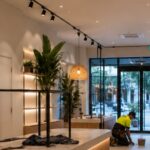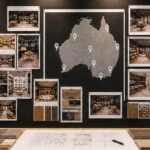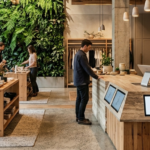
Nowadays, sustainability is a standard that shapes the way businesses operate, and the retail industry is no exception. As the demand for environmentally responsible brands grows, retailers are turning attention to the ethicality of their products and even their physical spaces. Shopfitting plays a central role in this transformation, with sustainability now at the core of design, materials, and construction practices. At Focus Shopfit, sustainable shopfitting is gaining momentum, blending environmental responsibility with modern design to create spaces that are as eco-friendly as they are inviting.

The shift towards eco-friendly retail spaces
More retailers are recognising that their stores are reflections of brand values. A store that embraces sustainable shopfitting in Australia reduces its carbon footprint and sends a powerful message to customers. Shoppers are far more likely to connect with brands that show care for the planet, and physical retail spaces offer the perfect opportunity to make that commitment visible.
Sustainability in shopfitting can take many forms. In Australia, the trend is also influenced by government and industry initiatives encouraging businesses to adopt greener practices, making eco-conscious design a competitive advantage as well as an ethical choice.
Sustainable materials in shopfitting
One of the most direct ways sustainability is reflected in shopfitting is through the materials chosen. Traditional shopfitting often relied heavily on plastics, laminates, and non-renewable resources. Today, eco-friendly alternatives are front and centre.
- Recycled and reclaimed timber. Repurposed wood not only reduces waste but also adds warmth and character to interiors. Its unique textures bring individuality to each space, ensuring that no two fitouts look the same.
- Bamboo and other renewables. Fast-growing, durable, and versatile, bamboo is becoming a favourite for shelving, flooring, and displays.
- Low-VOC paints and finishes. Volatile organic compounds (VOCs) release harmful chemicals into the air. By using low-VOC paints and finishes, shopfitters create healthier environments for both staff and customers.
- Recyclable metals and composites. Aluminum and steel, when recycled, can provide durable frameworks for shop designs with minimal environmental impact.
Energy-saving and smart design
Another vital aspect of sustainable shopfitting is energy efficiency. Lighting, heating, cooling, and digital displays consume a significant portion of a store’s energy. By designing spaces with sustainability in mind, shopfitters can minimise energy use while still creating a welcoming environment.
LED lighting, for instance, has become the standard due to its longevity and low energy consumption. Beyond swapping bulbs, modern designs often incorporate smart lighting systems that adjust brightness according to natural light levels or customer flow. Climate control systems can be optimised with zoned heating and cooling, ensuring comfort without excessive energy use.
Store layouts also play a role. Open-plan designs improve air circulation and reduce the need for artificial lighting, while the strategic placement of windows utilises natural light. Every design decision contributes to an overall reduction in energy consumption.
Modular and flexible fitouts
Sustainability in shopfitting is also about longevity and adaptability. Modular fitout systems — which can be easily rearranged, reconfigured, or expanded — ensure that stores remain functional and attractive for years without requiring a complete overhaul.
This flexibility reduces waste by extending the lifespan of fixtures and fittings. Focus Shopfit attends to retailers’ needs, where trends and seasonal changes can move quickly. Modular shopfitting ensures businesses can stay current without compromising on sustainability.
The customer connection
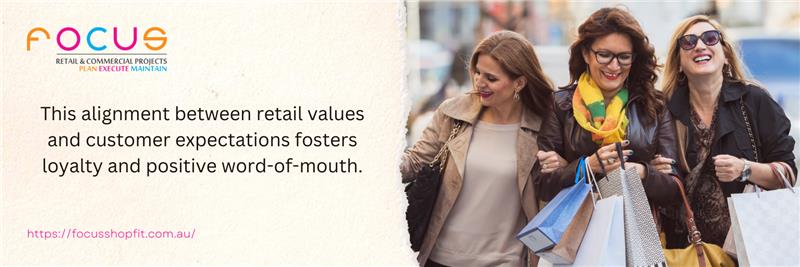
The most powerful effect of sustainable shopfitting is the impression it leaves on customers. When customers walk into a space that feels natural, healthy, and thoughtfully designed, it enhances their overall experience. This alignment between retail values and customer expectations fosters loyalty and positive word-of-mouth.
Shopfitting companies like Focus Shopfit prioritise sustainability and are finding themselves well-positioned to serve brands that want to demonstrate their environmental responsibility. Eco-conscious design has become a way to differentiate in a competitive retail landscape. Sustainable shopfitting in Australia is a commitment to the future of retail, where style, function, and environmental responsibility work hand in hand.

As sustainability continues to shape consumer behaviour and government policy, the demand for eco-friendly shopfitting will only grow. Australian shopfitters who embrace this movement are not only contributing to a greener future but also creating retail spaces that inspire, engage, and endure.