
Shopfitting Darwin: What a Shop Fit Out Includes & What to Expect

Shopfitting Darwin is an essential aspect of creating a successful retail space. The city of Darwin, located in the Northern Territory of Australia, is known for its vibrant retail scene. With a population that continues to grow, the demand for well-designed and functional shop fit outs has increased significantly. In this article, we will explore the importance of a well-designed shop fit out, what is included in a shop fit out, the shopfitting process, benefits of hiring a professional shopfitter, factors to consider when choosing a shopfitting company in Darwin, shopfitting trends in Darwin, costs and budgeting for a shop fit out, and common challenges in shopfitting projects.


Importance of a Well-Designed Shop Fit Out

A well-designed shop fit out is crucial for the success of any retail business in Darwin. It goes beyond simply arranging shelves and displays; it involves creating a space that is aesthetically pleasing, functional, and conducive to sales. A well-designed shop fit out can enhance the customer experience, attract more foot traffic, and ultimately increase sales. Customers are more likely to spend time and money in a store that is visually appealing and easy to navigate. Additionally, a well-designed shop fit out can also reflect the brand identity and create a memorable impression on customers.

What is Included in a Shop Fit Out?

A shop fit out typically includes a range of components that are tailored to the specific needs of the business. These components may include:

  1. Layout and design: This involves planning the layout of the store to optimize the use of space and create a seamless flow for customers. The design aspect includes choosing the right colors, materials, and finishes that align with the brand image and appeal to the target market.
  2. Fixtures and fittings: This includes the installation of shelving, display units, counters, and other fixtures that are necessary for showcasing products and providing a convenient shopping experience.
  3. Lighting: Lighting plays a crucial role in setting the mood of a store and highlighting products. A well-designed shop fit out will incorporate both natural and artificial lighting to create an inviting and visually appealing environment.
  4. Flooring: The choice of flooring can significantly impact the overall look and feel of a store. It should be durable, easy to maintain, and complement the design aesthetic of the space.
  5. Signage and branding: Signage is an essential element of any shop fit out. It helps customers navigate the store, promotes special offers, and reinforces brand identity. Well-designed signage can also create a strong first impression and attract potential customers.
  6. Technology integration: In today's digital age, technology plays a crucial role in retail. A shop fit out may include the integration of point-of-sale systems, interactive displays, and other technologies to enhance the customer experience and streamline operations.

The Shopfitting Process

The shopfitting process typically involves several stages, starting from the initial planning and design phase to the final installation and handover. Here is a breakdown of the typical shopfitting process:

  1. Consultation and briefing: The shopfitting company will meet with the business owner to understand their requirements, budget, and timeline. This is an opportunity for both parties to discuss ideas and expectations.
  2. Design and concept development: Based on the consultation, the shopfitting company will create design concepts and layouts that align with the business owner's vision. This phase may involve 3D renderings or mock-ups to help visualize the final result.
  3. Approval and documentation: Once the design is finalized, the shopfitting company will prepare detailed documentation, including plans, specifications, and cost estimates. The business owner will review and approve these documents before the project moves forward.
  4. Manufacturing and procurement: The shopfitting company will source materials, fixtures, and fittings required for the shop fit out. Custom-made items will be manufactured according to the approved design.
  5. Installation and construction: The actual installation and construction phase begins, where the shopfitting company will coordinate tradespeople, manage the project timeline, and ensure that all elements are installed correctly.
  6. Quality control and handover: Before handing over the completed shop fit out, the shopfitting company will conduct a thorough quality control check to ensure everything meets the agreed-upon standards. The business owner will review the final result and provide feedback if necessary.
  7. Post-installation support: A reputable shopfitting company will provide ongoing support and maintenance services to address any issues that may arise after the shop fit out is completed.

Benefits of Hiring a Professional Shopfitter

Hiring a professional shopfitter in Darwin has numerous benefits. Here are some key advantages:

  1. Expertise and experience: Professional shopfitters have extensive knowledge and experience in creating functional and visually appealing retail spaces. They understand the latest design trends, building regulations, and best practices in shopfitting.
  2. Time and cost savings: By hiring a professional shopfitter, business owners can save valuable time and money. Shopfitters have established relationships with suppliers, allowing them to source materials at competitive prices. They also have the expertise to efficiently manage the entire shopfitting process, ensuring that projects are completed on time and within budget.
  3. Customization and personalization: Professional shopfitters can tailor the shop fit out to meet the specific needs and preferences of the business owner. They can provide expert advice on layout, design, and materials, helping to create a unique and memorable retail space.
  4. Quality craftsmanship: Professional shopfitters are skilled in their craft and have access to the necessary tools and equipment to deliver high-quality workmanship. They will ensure that all fixtures, fittings, and installations are done to the highest standard, resulting in a durable and functional shop fit out.
  5. Compliance with regulations: Shopfitting projects are subject to various regulations, including building codes, safety standards, and accessibility requirements. Professional shopfitters are well-versed in these regulations and will ensure that the shop fit out complies with all necessary guidelines.


Factors to Consider When Choosing a Shopfitting Company in Darwin

When choosing a shopfitting company in Darwin, there are several factors to consider:

  1. Reputation and experience: Look for a shopfitting company with a proven track record and extensive experience in the industry. Check their portfolio of past projects and read reviews or testimonials from previous clients.
  2. Expertise and capabilities: Ensure that the shopfitting company has the necessary expertise and capabilities to handle your specific project requirements. This may include experience in specific industries or knowledge of specialized materials and technologies.
  3. Communication and collaboration: Effective communication and collaboration are crucial for a successful shopfitting project. Choose a shopfitting company that is responsive, attentive to your needs, and willing to work closely with you throughout the entire process.
  4. Budget and pricing: Discuss your budget with the shopfitting company upfront and ensure that they can deliver a shop fit out that aligns with your financial constraints. Beware of companies that offer significantly lower prices, as this may indicate a compromise in quality.
  5. Licensing and insurance: Verify that the shopfitting company holds the necessary licenses and insurance coverage to protect both parties during the project. This includes liability insurance and workers' compensation insurance.
  6. References and recommendations: Request references from the shopfitting company and reach out to their previous clients for feedback. This will give you a better understanding of their reputation and the quality of their work.

Shopfitting Trends in Darwin

Shopfitting trends in Darwin are constantly evolving to meet the changing needs and preferences of consumers. Here are some current trends to consider when planning your shop fit out:

  1. Sustainable materials: Consumers are becoming increasingly conscious of their environmental impact. Incorporating sustainable materials, such as reclaimed wood or recycled materials, can enhance the eco-friendly image of your store.
  2. Open and flexible spaces: Open floor plans and flexible spaces are gaining popularity in shopfitting. This allows for easy rearrangement of displays and fixtures to accommodate changing seasons or product lines.
  3. Technology integration: Technology is playing a more prominent role in retail. Consider integrating interactive displays, digital signage, or self-checkout systems to enhance the customer experience and streamline operations.
  4. Biophilic design: Biophilic design incorporates natural elements, such as plants and natural lighting, into the retail space. This creates a calming and inviting atmosphere, which can positively impact customer experience and well-being.
  5. Minimalistic aesthetics: Minimalism continues to be a popular design trend. Clean lines, neutral colors, and clutter-free spaces create a modern and sophisticated look that appeals to many consumers.

Costs and Budgeting for a Shop Fit Out in Darwin

The cost of a shop fit out in Darwin can vary depending on various factors, including the size of the space, the complexity of the design, and the materials used. It is essential to establish a realistic budget and consider the following cost components:

  1. Design and planning: This includes the fees charged by the shopfitting company for the initial design and planning phase.
  2. Materials and fixtures: The cost of materials and fixtures will depend on the quality, brand, and quantity required for the shop fit out. It is crucial to strike a balance between quality and affordability.
  3. Labor and installation: Labor costs will vary based on the complexity of the installation and the number of tradespeople required. It is advisable to obtain detailed quotes from multiple shopfitting companies to compare prices.
  4. Technology and equipment: If you plan to incorporate technology or specialized equipment into your shop fit out, factor in the cost of purchasing or leasing these items.
  5. Contingency: It is wise to allocate a contingency budget to account for any unexpected expenses or changes that may arise during the shopfitting process.

Remember that investing in a well-designed shop fit out is an investment in the success of your retail business. It is essential to consider the long-term benefits and return on investment when determining your budget.

Common Challenges in Shopfitting Projects

Shopfitting projects can present various challenges that need to be addressed to achieve a successful outcome. Some common challenges include:

  1. Time constraints: Shopfitting projects often have tight deadlines, especially for businesses that need to open on a specific date. It is crucial to work with a shopfitting company that can effectively manage the project timeline and ensure timely completion.
  2. Coordination of tradespeople: Shopfitting involves the coordination of various tradespeople, such as electricians, plumbers, and carpenters. Effective communication and coordination are essential to ensure that all elements come together seamlessly.
  3. Budget management: Sticking to a budget can be challenging, especially when unexpected expenses arise or changes are requested during the project. Clear communication with the shopfitting company and regular monitoring of expenses can help manage the budget effectively.
  4. Adherence to regulations: Shopfitting projects must comply with various regulations, including building codes, safety standards, and accessibility requirements. Failure to comply can result in delays or non-compliance penalties. Hiring a professional shopfitter who is familiar with these regulations is crucial.
  5. Quality control: Ensuring that all elements of the shop fit out meet the desired quality standards can be challenging. Regular inspections and open communication with the shopfitting company can help address any quality issues promptly.

By being aware of these common challenges and working closely with a professional shopfitter, you can overcome them and achieve a successful shop fit out.


Creating the Perfect Shop Fit Out in Darwin

Shopfitting Darwin is an important consideration for any retail business looking to succeed in the vibrant market. A well-designed shop fit out can enhance the customer experience, attract more foot traffic, and ultimately increase sales. By understanding the components of a shop fit out, the shopfitting process, the benefits of hiring a professional shopfitter, factors to consider when choosing a shopfitting company in Darwin, shopfitting trends, costs and budgeting, and common challenges, business owners can make informed decisions and create the perfect shop fit out for their retail space. Remember, investing in a well-designed shop fit out is an investment in the success and growth of your business in Darwin.


Shopfitting Adelaide: What a Shopfit Includes

Shopfitting Adelaide –  Shopfitting is a crucial aspect of creating a successful retail space in Adelaide. It involves the process of designing, planning, and fitting out a shop or commercial space to optimize its functionality, aesthetics, and customer experience. A well-executed shopfit can make a significant difference in attracting customers, increasing sales, and establishing brand identity.


Shopfitting goes beyond simply installing shelves and counters; it encompasses every aspect of the store, including layout, fixtures, lighting, signage, and even the flow of customer traffic. It requires careful consideration of the target audience, brand image, and the goals of the business. With the right shopfitting approach, a store can create a unique and engaging environment that enhances the overall shopping experience.

The Importance of Shopfitting in Adelaide

In a competitive market like Adelaide, shopfitting plays a crucial role in standing out from the crowd. It is no longer enough for a store to offer great products or services; the physical space must be designed to captivate the attention of potential customers and encourage them to make a purchase. This is where shopfitting comes into play.

An effective shopfitting design can create a welcoming atmosphere that reflects the brand's values and resonates with the target audience. It can help create a memorable experience that encourages customers to return and recommend the store to others. Additionally, a well-designed shopfit can optimize the layout for efficient product display and easy navigation, enhancing the overall shopping experience and maximizing sales potential.

Understanding the Shopfitting Process

The shopfitting process involves several stages, starting from the initial concept development to the final installation. Each stage requires careful planning, coordination, and collaboration between the shop owner, designers, architects, and shopfitters.

The first step is to define the objectives and goals of the shopfitting project. This includes understanding the target market, brand identity, and budget constraints. Once the objectives are established, the design phase begins. Designers create detailed plans, considering factors such as the store layout, fixtures, lighting, signage, and the overall aesthetic appeal.

After the design phase, the construction and manufacturing stage takes place. This involves fabricating and assembling the necessary fixtures, shelves, counters, and other elements of the shopfit. Once everything is ready, the installation phase begins, where the shopfitters bring the design to life by installing the fixtures, lighting, and other components.

Key Components of a Successful Shopfit

A successful shopfit comprises several key components that work together to create a cohesive and visually appealing space. These components include:

  1. Layout and Flow

The layout of a shop is crucial in determining how customers navigate through the space. A well-designed layout ensures a smooth flow of traffic, guiding customers through various sections and encouraging exploration. It is essential to consider factors such as product placement, checkout counters, and customer service areas to optimize the flow and enhance the overall customer experience.

  1. Lighting

Lighting plays a vital role in creating ambiance and highlighting products. Well-placed lighting fixtures can draw attention to specific areas or products, creating focal points and adding depth to the overall design. It is important to choose the right type of lighting, such as spotlights, track lights, or ambient lighting, to create the desired atmosphere and showcase products effectively.

  1. Fixtures and Shelving

The choice of fixtures and shelving is crucial in displaying products in an organized and visually appealing manner. Customized fixtures can be designed to fit the specific needs of the store, maximizing the use of space and ensuring optimal product visibility. The materials, finishes, and colors of the fixtures should align with the overall brand image and aesthetic.


Shopfitting Trends in Adelaide

Adelaide, being a vibrant city with a diverse retail landscape, is constantly evolving in terms of shopfitting trends. Staying up to date with these trends can give businesses a competitive edge and help them create a modern and engaging shopping experience. Here are some current shopfitting trends in Adelaide:

  1. Minimalist Design

Minimalism has been a popular trend in shopfitting, focusing on clean lines, simplicity, and the use of neutral colors. This design approach creates a sleek and uncluttered look, allowing products to take center stage and enhancing the overall shopping experience.

  1. Sustainable Materials

With increasing awareness of environmental issues, many shop owners in Adelaide are incorporating sustainable materials into their shopfitting design. This includes using recycled materials, eco-friendly fixtures, and energy-efficient lighting systems. Not only does this align with customers' values, but it also showcases the brand's commitment to sustainability.

  1. Interactive Technology

Incorporating interactive technology into the shopfitting design can create an immersive and engaging experience for customers. This includes touchscreens, virtual reality displays, and interactive product demonstrations. These technologies not only entertain customers but also provide valuable information and enhance the overall shopping experience.

Choosing the Right Shopfitting Company in Adelaide

Choosing the right shopfitting company is crucial for the success of a shopfitting project in Adelaide. It is important to consider several factors before making a decision:

  1. Experience and Expertise: Look for a shopfitting company with a proven track record in delivering successful projects. Check their portfolio and client testimonials to gauge their experience and expertise in the field.
  2. Customization: Every shopfitting project is unique, and it is essential to work with a company that can tailor the design and execution to meet specific requirements. The ability to customize the shopfitting design ensures that it aligns with the brand's vision and objectives.
  3. Project Management: A reputable shopfitting company should have effective project management skills to ensure that the project is completed within the agreed timeline and budget. Clear communication and coordination between all parties involved are essential for a smooth and successful shopfitting process.
  4. Quality and Workmanship: Look for a shopfitting company that prioritizes quality and attention to detail. The fixtures and installation should be of high quality, ensuring durability and longevity.

Cost Considerations in Shopfitting

Shopfitting can be a significant investment for any business in Adelaide. It is important to carefully consider the costs involved and establish a realistic budget. Here are some cost considerations in shopfitting:

  1. Design and Planning: The design phase of a shopfitting project involves the expertise of designers and architects, which can add to the overall cost. It is essential to allocate a budget for design and planning services to ensure a well-executed shopfit.
  2. Materials and Fixtures: The choice of materials and fixtures can significantly impact the overall cost of the shopfitting project. Higher-quality materials and customized fixtures may be more expensive but can enhance the overall aesthetic appeal and longevity of the shopfit.
  3. Installation and Labor: The installation phase of shopfitting requires skilled labor and coordination between various trades. It is important to factor in the cost of labor and installation when budgeting for a shopfitting project.
  4. Permits and Regulations: Some shopfitting projects in Adelaide may require permits and compliance with specific regulations. It is important to consider the associated costs and ensure that all legal requirements are met.

Shopfitting Permits and Regulations in Adelaide

When undertaking a shopfitting project in Adelaide, it is crucial to be aware of the permits and regulations that apply. Failure to comply with these regulations can lead to penalties and delays in the project. Here are some common permits and regulations to consider:

  1. Building Permits: Depending on the scope of the shopfitting project, a building permit may be required. This ensures that the construction or renovation work meets the necessary safety and structural requirements.
  2. Electrical and Plumbing Regulations: Any electrical or plumbing work involved in the shopfitting project must comply with the relevant regulations. It is important to engage licensed professionals to carry out these tasks and obtain the necessary permits.
  3. Fire Safety Regulations: Fire safety is a crucial aspect of shopfitting. It is essential to comply with fire safety regulations, including the installation of appropriate fire detection and suppression systems.
  4. Accessibility Standards: Shops in Adelaide must comply with accessibility standards to ensure equal access for all customers. This includes accessible entrances, ramps, and facilities for people with disabilities.


Shopfitting Adelaide: Successful Projects

Shopfitting plays a vital role in creating successful retail spaces in Adelaide. It involves careful planning, design, and execution to optimize functionality, aesthetics, and customer experience. By considering key components such as layout, lighting, fixtures, and current trends, businesses can create a unique and engaging shopping environment.

Choosing the right shopfitting company is essential for the success of a shopfitting project. Factors such as experience, customization, project management, and quality workmanship should be considered when making a decision. Additionally, cost considerations and compliance with permits and regulations are crucial aspects to keep in mind.

Successful shopfitting projects in Adelaide have demonstrated the positive impact of well-executed designs. From a boutique clothing store to a specialty coffee shop, the right shopfitting approach can attract customers, increase sales, and establish a strong brand identity.

Shopfitting in Adelaide is an investment worth considering for businesses looking to create a memorable shopping experience and stand out in a competitive market.


Transforming Retail Spaces: Innovative Redesign Ideas for Retail Fitout in Darwin

Retail fitout plays a crucial role in the success of any retail business. The design and layout of a retail space can significantly impact customer experience, sales, and overall brand perception. In the vibrant city of Darwin, where the retail industry is thriving, it becomes even more essential for businesses to invest in innovative retail fitout ideas. This article explores the significance of retail space design, and key factors to consider during fitout, and presents a range of innovative ideas to transform retail spaces in Darwin.


The importance of retail space design

Creating an appealing and functional retail space is not just about aesthetics; it is about creating an environment that attracts and engages customers. The design of a retail space should align with the brand identity and target audience while providing a seamless shopping experience. A well-designed retail space can enhance customer satisfaction, increase dwell time, and ultimately drive sales. In Darwin, where competition among retailers is fierce, a thoughtfully designed retail fitout can make all the difference in capturing customers' attention and loyalty.

When designing a retail space, several factors must be taken into consideration. The layout should be intuitive, allowing customers to navigate easily and find what they need. Lighting plays a crucial role in setting the mood and highlighting products effectively. The choice of colors, textures, and materials should reflect the brand's personality and create a cohesive ambiance. Ergonomics and comfort should also be prioritized, ensuring that customers can browse and interact with products comfortably. By paying attention to these key aspects, retailers can create an inviting and memorable shopping environment.


Key factors to consider in retail fitout

Before diving into innovative fitout ideas, it is essential to understand the key factors that should be considered during the retail fitout process. Firstly, retailers must have a clear understanding of their target audience and their preferences. This knowledge will guide the design choices and ensure that the retail space resonates with the intended customers. Secondly, budgetary constraints should be taken into account. While it is tempting to go all out with extravagant fitout ideas, it is crucial to strike a balance between creativity and cost-effectiveness. Finally, the practicality and functionality of the retail space should never be compromised. The fitout should facilitate smooth operations, optimize space utilization, and provide flexibility for future adaptations or expansions.


Innovative retail fitout ideas for small spaces

In Darwin, where space can be a limiting factor, innovative fitout ideas for small retail spaces are highly sought after. One creative solution is to utilize vertical space by installing wall-mounted shelves or hanging racks. These not only save floor space but also create visual interest and maximize product display. Another idea is to incorporate flexible and modular fixtures that can be rearranged easily to accommodate changing merchandise or promotional displays. Additionally, using mirrors strategically can create an illusion of a larger space. Mirrors not only enhance the aesthetics but also make the store appear more spacious and inviting.


Retail fitout trends in Darwin

Darwin, being a dynamic and evolving city, witnesses various retail fitout trends that shape the shopping landscape. One prominent trend is the integration of technology into retail spaces. Retailers are leveraging interactive displays, digital signage, and augmented reality to create immersive experiences for their customers. This not only enhances engagement but also provides valuable product information and personalized recommendations. Another growing trend is the emphasis on sustainability and environment-friendly practices. Retail fitouts in Darwin are increasingly incorporating recycled materials, energy-efficient lighting, and eco-conscious design elements to reduce environmental impact and attract environmentally conscious consumers.


Incorporating technology in retail fitout

With the rapid advancements in technology, retailers in Darwin need to embrace innovative tech solutions in their fitouts. Interactive touchscreens can be placed strategically throughout the store, allowing customers to explore product details, check availability, and even make purchases. Augmented reality can be utilized to offer virtual try-on experiences, enabling customers to visualize products before making a purchase decision. Furthermore, smart shelving and inventory management systems can provide real-time updates on stock levels, ensuring that popular items are always available. By integrating technology into their fitouts, retailers can enhance the overall shopping experience and stay ahead of the competition.


Sustainable and eco-friendly retail fitout options

In recent years, there has been a growing awareness of the environmental impact of retail operations. Consumers are increasingly seeking out brands that prioritize sustainability and eco-friendly practices. In Darwin, retailers can leverage sustainable fitout options to attract environmentally conscious customers. Using recycled or upcycled materials for fixtures and furniture not only reduces waste but also adds a unique and rustic charm to the retail space. Energy-efficient lighting solutions, such as LED bulbs, can significantly reduce energy consumption while providing excellent illumination. Additionally, incorporating indoor plants not only adds a touch of greenery but also improves indoor air quality and creates a calming ambiance.


Hiring a professional retail fitout company in Darwin

While some retailers may attempt a DIY fitout, it is highly recommended to hire a professional retail fitout company in Darwin. These professionals have the expertise and experience to create innovative and functional retail spaces that align with the brand's vision and objectives. They can provide valuable insights, handle the entire fitout process, and ensure that all necessary permits and regulations are met. By entrusting the fitout to professionals, retailers can focus on their core business activities while having peace of mind knowing that their retail space is in capable hands.


Elevating your retail space with innovative fitout ideas

In Darwin's competitive retail landscape, it is essential for businesses to continuously innovate and adapt to stay ahead. By investing in innovative retail fitout ideas, retailers can transform their spaces into captivating destinations that attract and retain customers. Whether it is incorporating technology, embracing sustainability, or maximizing small spaces, the possibilities for retail fitout in Darwin are endless. By considering the key factors, exploring trends, and seeking professional assistance, retailers can elevate their retail spaces and create memorable experiences for their customers. So, leap and embark on a retail fitout journey that will set your business apart from the rest.


How to Find Experts in Retail Fitout in Darwin
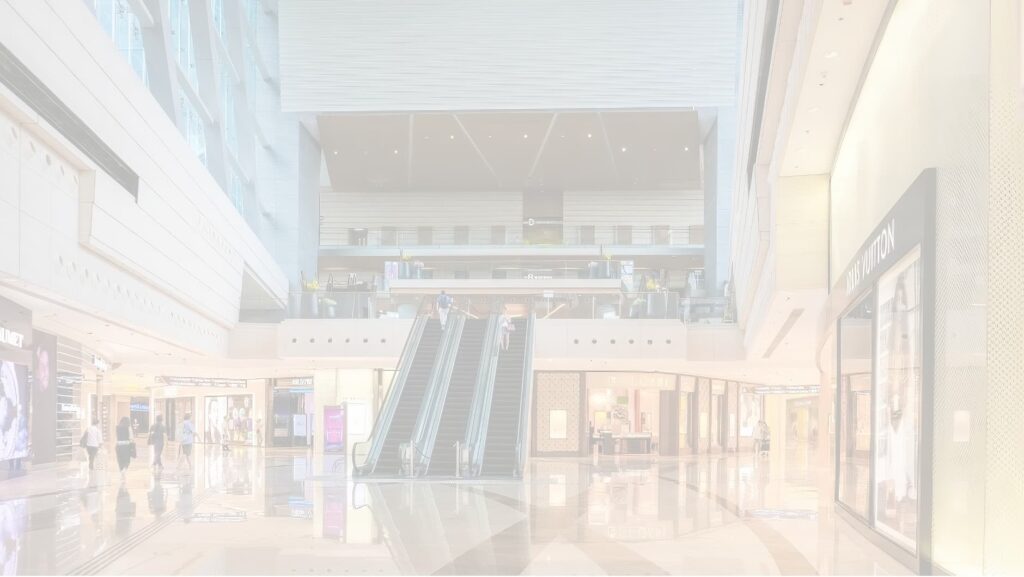
When it comes to setting up a retail store in Darwin, there are several important factors to consider. One of the most crucial aspects is the retail fitout, which refers to the design and layout of the store. A well-executed retail fitout can enhance the shopping experience for customers and ultimately lead to increased sales. However, achieving a successful retail fitout requires the expertise and knowledge of professionals who specialize in this field. In this article, we will discuss the importance of hiring experts for retail fitout in Darwin and provide you with useful tips on how to find the right professionals for your project.


Why Hiring Experts is Important 

Retail fitout is a complex process that involves various elements such as space planning, interior design, lighting, fixtures, and signage. It requires a deep understanding of customer behavior, industry trends, and functional requirements. Hiring experts in retail fitout will ensure that your store is designed and built to meet the specific needs of your business and target audience. These professionals have the knowledge and experience to create a functional and attractive space that maximizes the potential of your retail store.

Moreover, experts in retail fitout in Darwin are familiar with local regulations and building codes. They can navigate the necessary permits and approvals required for your project, saving you time and potential legal issues. Additionally, professionals in this field have established relationships with suppliers and contractors, which can result in cost savings and efficient project management.


Researching Retail Fitout Experts in Darwin

When embarking on the search for retail fitout experts in Darwin, it is essential to conduct thorough research to find professionals who meet your specific requirements. Here are some steps you can take to find the right experts for your retail fitout project:


Checking for Qualifications and Experience

Start by checking for qualifications and experience. Look for professionals who have relevant certifications, such as interior design or architecture degrees. Additionally, consider their experience in the field and whether they have worked on similar projects before. Experienced professionals are more likely to have a deep understanding of retail fitout and can provide valuable insights and solutions.

Reading Customer Reviews and Testimonials

Next, read customer reviews and testimonials. This will give you an idea of the quality of work and customer satisfaction that the experts have achieved in their previous projects.

Asking for Recommendations from Other Business Owners

Another effective strategy is to ask for recommendations from other business owners in Darwin who have recently undergone retail fitout projects. They can provide firsthand insights into their experience with specific experts and share any challenges they faced during the process. Recommendations from trusted sources can help you narrow down your options and find professionals with a proven track record.

Conducting Interviews with Potential Experts

After shortlisting a few potential experts, it is crucial to conduct interviews to assess their suitability for your retail fitout project. Prepare a list of questions that cover aspects such as their design process, project management approach, and understanding of your business goals. During the interview, pay attention to their communication skills, level of professionalism, and overall compatibility with your team. Remember, you will be working closely with the chosen experts throughout the project, so it is essential to establish a positive working relationship.


Evaluating Quotes and Proposals

Once you have gathered all the necessary information and conducted interviews, it is time to evaluate quotes and proposals from the shortlisted experts. Take into consideration the scope of work, timelines, and cost estimates provided by each professional. It is essential to compare these factors alongside the quality of work, experience, and reputation of each expert. Remember that the most inexpensive option may not always be the best choice. Look for a balance between affordability and expertise to ensure the best outcome for your retail fitout project.

Making the Final Decision and Hiring the Experts

After careful consideration, make the final decision and hire the experts who best meet your requirements. Once you have chosen the professionals for your retail fitout project, communicate your decision promptly and clearly. Discuss the project timeline, deliverables, and any specific requirements or concerns you may have. Establish a clear line of communication and ensure that both parties are aligned on project goals and expectations.


Essential for Store’s Success

Finding experts in retail fitout in Darwin is essential for the success of your retail store. These professionals possess the knowledge and experience necessary to create a functional and appealing space that maximizes your business's potential. By conducting thorough research, checking qualifications and experience, reading customer reviews, asking for recommendations, conducting interviews, and evaluating quotes, you can find the right experts for your retail fitout project. Remember to make the final decision based on a balance between expertise and affordability. With the help of experts in retail fitout, you can create a captivating retail environment that attracts customers and drives sales.


From Planning to Execution: How Much Does a Shopfit Cost?

Shopfitting is a crucial process in the retail industry that involves designing, furnishing, and equipping a retail space to create an attractive and functional environment for customers. As a business owner or manager, understanding the costs involved in shopfitting is essential for effective budgeting and decision-making. In this article, we will explore the factors that influence shopfitting costs, average costs for different types of businesses, how to determine your shopfitting budget, hidden costs to consider, ways to save money without compromising quality, the importance of hiring a shopfitting professional, and real-life case studies to provide you with a comprehensive understanding of shopfitting costs.


Understanding Shopfitting

Before delving into the costs, it is important to have a clear understanding of what shopfitting entails. Shopfitting is not just about creating an aesthetically pleasing store; it is about optimizing the space to enhance the customer experience and increase sales. It involves various elements such as layout design, fixtures, lighting, flooring, signage, displays, and technology integration. Each element contributes to creating a cohesive and engaging retail environment that reflects your brand identity and attracts your target audience.


Factors That Influence Shopfitting Costs

Several factors can influence the cost of a shopfitting project. The size of the retail space is one of the primary factors, as larger spaces require more materials and labor. The complexity of the design and the level of customization also impact costs. For example, if you require intricate custom-made fixtures and displays, it will be more expensive compared to off-the-shelf options. The quality of materials used, such as the type of flooring or lighting fixtures, can significantly affect the overall cost. Additionally, location plays a role, as labor and material costs can vary depending on the region and accessibility of the site.


The type of business you operate is another crucial factor. Different industries have distinct requirements, and therefore, the cost of shopfitting can vary. For instance, a high-end fashion boutique may require premium materials and sophisticated lighting, while a fast-food restaurant may prioritize efficient kitchen equipment and durable seating. Understanding your specific industry needs will help you estimate the costs more accurately.


Average Shopfitting Costs 

It is important to note that shopfitting costs can vary significantly depending on the size, complexity, and location of the project. However, we can provide you with some average cost ranges based on different types of businesses to give you a general idea.


Determining Your Shopfitting Budget

Once you have a general understanding of average costs, it is important to determine your shopfitting budget. Start by assessing your overall financial situation and the funds you have available for the project. Consider your business goals and the value you place on creating an exceptional customer experience. Remember that shopfitting is an investment in the long-term success of your business, so it is crucial to allocate a realistic budget.

Consulting with a shopfitting professional can help you determine the feasibility of your budget and provide guidance on cost-saving strategies. Consider allocating a contingency fund for unexpected expenses that may arise during the project. It is better to be prepared for unforeseen costs rather than being caught off guard.


Shopfitting Cost Breakdown

To better understand the cost breakdown of a shopfitting project, let's take a closer look at the various elements involved:

  1. Design and Planning: This includes the fees for hiring an architect or interior designer to create a functional and visually appealing layout for your retail space. It may also involve obtaining necessary permits and approvals from local authorities.
  2. Fixtures and Displays: The cost of fixtures and displays, such as shelving units, racks, mannequins, and product displays, can vary depending on the materials and customization required.
  3. Flooring: Flooring options range from basic vinyl or carpeting to high-end hardwood or polished concrete. The cost will depend on the square footage of the area, the type of flooring material, and any additional labor required for installation.
  4. Lighting: Lighting plays a crucial role in creating the right ambiance and highlighting products. The cost includes the purchase and installation of lighting fixtures, as well as any electrical work required.
  5. Signage: From exterior signage to interior wayfinding signs, the cost of signage depends on the size, materials, and complexity of the design.
  6. Technology Integration: If you require technology integration such as point-of-sale systems, security cameras, or audiovisual equipment, these costs should be factored into your budget.
  7. Labor and Installation: The cost of labor for shopfitting projects can vary depending on the complexity of the design, the number of trades involved (carpenters, electricians, plumbers, etc.), and the location.

By understanding the cost breakdown, you can prioritize your expenses and make informed decisions during the shopfitting process.


Hidden Costs to Consider During Shopfitting

While estimating the costs of shopfitting, it is important to consider potential hidden costs that may arise during the project. These can include:

  1. Site Preparation: If your retail space requires extensive preparation, such as demolition, asbestos removal, or structural modifications, these costs can add up.
  2. Unforeseen Structural Issues: Once the project is underway, unexpected structural issues may be uncovered, requiring additional work and expenses.
  3. Permits and Approvals: Depending on your location and the scope of your project, you may need to obtain permits and approvals from local authorities. These can incur fees and potential delays.
  4. Utilities and Services: Installing or modifying utilities such as plumbing, electrical, and HVAC systems may require the involvement of specialized trades and incur additional costs.
  5. Project Management: If you choose to take a hands-on approach to project management, consider the time and effort required, as well as the potential for unforeseen challenges. Hiring a project manager can help streamline the process but comes with additional costs.

Being aware of these hidden costs will help you avoid any financial surprises and ensure a smoother shopfitting experience.


Ways to Save Money on Shopfitting Without Compromising Quality

While shopfitting can be a significant investment, there are ways to save money without compromising the quality of your project. Consider the following strategies:

  1. Prioritize Essential Elements: Focus on the key elements that will have the most impact on your customer experience, such as lighting, flooring, and fixtures. Allocate your budget accordingly to ensure these areas are of high quality.
  2. Consider Pre-owned or Repurposed Fixtures: Instead of investing in brand-new fixtures and displays, explore options for pre-owned or repurposed items. This can significantly reduce costs while still maintaining a unique and stylish look.
  3. Utilize Off-the-shelf Products: Off-the-shelf products are often more cost-effective than custom-made items. Explore ready-made fixtures and displays that align with your design vision to save both time and money.
  4. Get Multiple Quotes: It is always wise to obtain multiple quotes from different shopfitting professionals. This allows you to compare prices, services, and expertise to find the best fit for your project.
  5. Timing: Consider the timing of your shopfitting project. Off-peak seasons or slower business periods may provide opportunities for cost savings, as contractors may offer discounts or reduced rates.

By implementing these cost-saving strategies, you can achieve a high-quality shopfitting project within your budget.


Hiring a Shopfitting Professional

While it may be tempting to tackle shopfitting as a do-it-yourself project, hiring a professional is highly recommended. A shopfitting professional brings expertise, experience, and industry knowledge to the table, ensuring that your project is executed efficiently and to the highest standards.

When choosing a shopfitting professional, consider the following:

  1. Portfolio and Experience: Review their portfolio to assess their previous work and expertise in your specific industry. Look for examples that align with your design vision and requirements.
  2. Reputation and Reviews: Research the shopfitting professional's reputation by reading reviews and testimonials from previous clients. This will give you insight into their reliability, professionalism, and overall quality of work.
  3. Clear Communication: Effective communication is vital throughout the shopfitting process. Ensure that the professional you choose is responsive, transparent, and able to clearly articulate their ideas and recommendations.
  4. Budget Management: A reputable shopfitting professional will have experience in managing budgets effectively. Discuss your budget expectations upfront to ensure that they can work within your financial limitations.

By hiring a shopfitting professional, you can save time, avoid costly mistakes, and achieve a successful shopfitting project that aligns with your business goals.


Finding the Right Balance Between Cost and Quality in Shopfitting

Shopfitting is a vital investment for businesses in the retail industry. Understanding the factors that influence shopfitting costs, determining your budget, and considering hidden expenses are crucial for effective planning and decision-making. By prioritizing essential elements, exploring cost-saving strategies, and hiring a shopfitting professional, you can achieve a high-quality shopfitting project that aligns with your budget and enhances your customer experience.

Remember, shopfitting is not just about the initial cost; it is an investment that can lead to increased sales, improved brand perception, and long-term success. By finding the right balance between cost and quality, you can create a retail space that resonates with your target audience and sets your business apart in a competitive market.


What is included in a shopfit?

When you step into a beautifully designed and well-organized retail store in Australia or anywhere in the world, have you ever wondered about the effort and expertise that went into creating such an appealing space? This is where shopfitting comes into play. Shopfitting is the art and science of creating customized interiors for retail spaces, ensuring that they are not only aesthetically pleasing but also functional and practical. In this article, we will delve into the various aspects included in a shopfit, exploring its purpose, elements, process, benefits, different types, materials, trends, and how to choose a professional shopfitting company.


The purpose of a shopfit

The primary purpose of a shopfit is to create an environment that attracts customers, enhances their shopping experience, and maximizes the potential for sales. A well-executed shopfit takes into consideration the target audience, the nature of the products or services being offered, and the overall brand image. It aims to create a space that reflects the values and identity of the business, while also providing functionality and convenience for both customers and staff.


The elements of a shopfit

A shopfit typically consists of various elements that work together to create a cohesive and visually appealing space. These elements include:

  1. Layout and design: The layout and design of a shopfit determine the flow of the space, the placement of fixtures, and the overall atmosphere. It involves careful planning of factors such as product placement, customer circulation, and focal points.
  2. Fixtures and fittings: This includes shelves, display units, cabinets, counters, and other furniture pieces that are specifically designed for retail environments. These fixtures are not only functional but also serve as a way to showcase products and create visual interest.
  3. Lighting: Lighting plays a crucial role in shopfitting, as it can dramatically impact the mood and ambiance of a store. From general lighting to highlight specific areas or products, to accent lighting that creates a focal point, the right lighting can enhance the overall shopping experience.


What is included in a shopfit: from design to installation

The process of shopfitting involves several stages, starting from the initial design concept to the final installation. Here is a brief overview of the typical shopfitting process:

  1. Consultation and brief: The shopfitting company meets with the client to understand their requirements, brand identity, target audience, and budget. This stage involves discussions, brainstorming sessions, and gathering essential information to create a design brief.
  2. Design and planning: Based on the brief, the shopfitting company develops a design concept, including layout, fixtures, finishes, and lighting. This stage may involve 3D renderings, floor plans, and material samples to help the client visualize the outcome.
  3. Manufacturing and procurement: Once the design is finalized, the shopfitting company procures the necessary materials, fixtures, and fittings. Custom elements are manufactured, and any necessary modifications or adjustments are made during this stage.
  4. Installation and fit-out: The actual installation of the shopfit takes place during this stage. This includes the construction, assembly, and placement of fixtures, fittings, and other elements. The shopfitting company ensures that the installation is done efficiently, adhering to timelines and quality standards.
  5. Handover and post-installation support: After the installation is complete, the shopfitting company conducts a final inspection to ensure everything is in order. They provide the client with any necessary documentation, instructions, and warranties. Additionally, they may offer post-installation support, such as maintenance, repairs, or modifications, as needed.


Benefits of a well-executed shopfit

Investing in a well-executed shopfit can yield numerous benefits for a retail business. Some of the key advantages include:

  1. Increased sales: A thoughtfully designed and attractive retail space can significantly impact customer perception and encourage them to spend more time and money in the store. An appealing shopfit can create a positive impression, enhance product visibility, and increase sales.
  2. Improved customer experience: A well-designed shopfit can create a comfortable and enjoyable shopping experience for customers. It can make navigation easier, enable efficient product browsing, and provide clear signage and information, all of which contribute to customer satisfaction and loyalty.
  3. Enhanced brand image: The shopfit is an extension of a brand's identity and values. A well-executed shopfit can reinforce the brand image, create a consistent customer experience across multiple locations, and differentiate the business from competitors.
  4. Efficient use of space: Shopfitting involves optimizing the use of available space to maximize product display and storage. By utilizing clever fixtures, layout design, and storage solutions, a shopfit can help improve operational efficiency and utilize every inch of the store effectively.


What is included in a shopfit: different types of fitouts

Shopfits can vary depending on the nature of the business, the target audience, and the products or services being offered. Here are a few common types of shopfits:

  1. Fashion retail: Fashion retailers often focus on creating visually appealing spaces that showcase their products effectively. This may involve incorporating features such as fitting rooms, clothing racks, and well-lit display areas.
  2. Food and beverage: Shopfits in the food and beverage industry are designed to create a welcoming and comfortable atmosphere for customers. This may include seating areas, counters, specialized equipment, and appropriate lighting.
  3. Electronics and technology: Shopfits in this industry prioritize functionality, accessibility, and product demonstration. Display areas, interactive screens, and secure storage are common elements in electronics and technology retail spaces.
  4. Department stores: Department store shopfits are typically large-scale projects that require careful planning and zoning. These shopfits may include multiple departments, each with its own unique design and layout requirements.


Included in a Shopfit: Shopfitting materials and finishes

Shopfitting materials and finishes play a vital role in the overall aesthetic appeal and durability of a retail space. Here are some commonly used materials and finishes:

  1. Wood: Wood is a popular choice due to its versatility, warmth, and natural beauty. It can be used for fixtures, flooring, counters, and display units.
  2. Glass: Glass is often used to create a sense of openness, transparency, and elegance. It is commonly used for display cases, partitions, and storefronts.
  3. Metal: Metal is known for being strong, stable, and durable. It is frequently used for fixtures, shelving systems, and decorative elements.
  4. Laminate: Laminate offers a wide range of colors, patterns, and textures at an affordable cost. It is commonly used for countertops, cabinets, and wall panels.


Shopfitting trends and innovations

Shopfitting is an ever-evolving industry, with new trends and innovations constantly emerging. Here are a few current trends that are shaping the world of shopfitting:

  1. Sustainable shopfits: With increasing emphasis on sustainability, many retailers are opting for eco-friendly materials, energy-efficient lighting, and sustainable design practices.
  2. Technology integration: The integration of technology in shopfits is becoming increasingly common. This includes interactive displays, digital signage, augmented reality, and mobile payment systems.
  3. Flexible and modular designs: Retail spaces that can be easily reconfigured to adapt to changing needs and trends are gaining popularity. Modular fixtures and flexible layouts allow for customization and versatility.
  4. Multichannel integration: Retailers are focusing on creating seamless shopping experiences across multiple channels, such as online and offline. This involves integrating technology, inventory management systems, and customer data.


The importance of a professional shopfit

A professional shopfit can transform a retail space into a visually appealing, functional, and profitable environment. It involves meticulous planning, design, and execution to create a space that reflects the brand identity, attracts customers, and enhances the overall shopping experience. By investing in a well-executed shopfit and choosing the right shopfitting company, businesses can reap the benefits of increased sales, improved customer satisfaction, and a strong brand image. So, the next time you step into a beautifully designed store, take a moment to appreciate the art of shopfitting behind it.


What is a Shopfit: The Complete Beginner's Guide

What is a Shopfit? Shopfitting is an essential aspect of creating a successful retail space. It involves the design, construction, and installation of fixtures and fittings within a store to optimize its functionality and appeal. A well-executed shopfit in an Australian retail store or anywhere else in the world, can significantly enhance the customer experience and contribute to the overall success of a business. In this comprehensive beginner's guide, we will explore the purpose of a shopfit, the benefits it offers, the process involved, and the various elements that make up a shopfit.


What is a Shopfit


The Purpose of a Shopfit

The primary purpose of a shopfit is to create an environment that encourages customers to engage with the products or services offered by a business. It involves careful planning and execution to ensure that the layout, fixtures, and lighting work together harmoniously to attract customers and enhance their shopping experience. A well-designed shopfit can also help establish a brand identity, improve customer flow, and maximize the use of available space.


Benefits of a Well-Designed Shopfit

Investing in a well-designed shopfit can yield numerous benefits for a business. Firstly, it can significantly impact sales by creating an inviting and visually appealing environment that encourages customers to spend more time in the store and make purchases. A shopfit that showcases products effectively and provides a seamless shopping experience can increase customer satisfaction and loyalty. Additionally, a thoughtfully designed shopfit can enhance brand perception, positioning the business as professional, reliable, and trustworthy.


A well-executed shopfit can also improve operational efficiency. By optimizing the layout and placement of fixtures, it can facilitate smoother customer flow, reduce congestion, and minimize the time spent searching for items. This can lead to better productivity and employee satisfaction. Furthermore, a shopfit that incorporates energy-efficient lighting and sustainable materials can contribute to a business's commitment to environmental responsibility.


What is a Shopfit: The Process

The shopfitting process typically involves several stages, starting from the initial concept design and ending with the final installation. The first step is to understand the business's goals, target audience and desired aesthetic. This information is then used to develop a comprehensive design plan, including layout, fixtures, signage, and lighting.

Once the design is approved, the next phase involves sourcing materials, manufacturing fixtures, and coordinating with various contractors and suppliers. This stage requires careful project management to ensure that all elements are delivered on time and within budget. After all the components are ready, the installation process begins, which involves fitting the fixtures, connecting utilities, and adding finishing touches.


What is a Shopfit: Elements, Layout, Fixtures, and Lighting

Creating an effective shopfit involves careful consideration of three key elements: layout, fixtures, and lighting. The layout determines how the space is organized, including the placement of aisles, shelves, and checkout counters. It should be designed to optimize customer flow, ensure easy navigation, and highlight key areas or products. A well-planned layout can also create focal points and encourage customers to explore different sections of the store.

Fixtures play a crucial role in a shopfit, as they provide the infrastructure to display and merchandise products. They can include shelving units, display stands, racks, and cabinets, among others. Fixtures should be selected based on the type of products being sold and the desired aesthetic. They should be sturdy, functional, and easy to maintain, while also complementing the overall design theme.

Lighting is another vital element in shopfitting, as it sets the mood and illuminates the products. Different types of lighting, such as ambient, task, and accent lighting, can be used to create the desired atmosphere and highlight specific areas or products. Lighting should be carefully planned to ensure uniformity throughout the store, minimize shadows, and enhance visual clarity. It should also be energy-efficient and comply with relevant safety regulations.


Importance of Aesthetics in Shopfitting

Aesthetics play a crucial role in shopfitting, as they contribute to the overall ambiance and visual appeal of a store. The design and color scheme should align with the brand identity and target audience, creating a cohesive and memorable experience. A well-designed shopfit can evoke emotions, capture attention, and differentiate a business from its competitors.

The use of high-quality materials and finishes is essential in creating an aesthetically pleasing shopfit. From flooring and wall cladding to signage and decorative elements, every detail should be carefully chosen to enhance the overall design. Attention should be given to factors such as durability, ease of maintenance, and suitability for the intended purpose.


What is a Shopfit: Materials and Finishes

When it comes to shopfitting materials and finishes, there is a wide range of options available. The choice of materials should be based on factors such as durability, functionality, aesthetics, and budget. Common materials used in shopfitting include wood, metal, glass, laminates, and acrylics. Each material offers unique characteristics and can be tailored to suit specific design requirements.

Finishes, on the other hand, add the final touch to a shopfit, enhancing its visual appeal and durability. They can include options such as paint, varnish, veneer, powder coating, and vinyl wraps. The selection of finishes should align with the overall design concept and ensure longevity in a high-traffic retail environment.


Shopfitting Trends and Innovations

The field of shopfitting is continually evolving, with new trends and innovations emerging to meet the changing needs and expectations of customers. One of the prominent trends in recent years is the incorporation of technology into shopfitting. This can include interactive displays, touchscreens, virtual reality experiences, and smart lighting systems. Technology can enhance customer engagement, provide personalized experiences, and streamline operations.

Another trend is the focus on sustainable shopfitting. Businesses are becoming increasingly conscious of the environmental impact of their operations and are seeking eco-friendly solutions. This includes the use of recycled materials, energy-efficient lighting, and sustainable construction practices. Sustainable shopfitting not only reduces the carbon footprint but also resonates with environmentally conscious customers.


Hiring a Professional Shopfitting Company

While some businesses may attempt to undertake shopfitting in-house, it is generally recommended to hire a professional shopfitting company. A professional company brings expertise, experience, and industry knowledge to the table, ensuring that the shopfit is executed to the highest standards. They can provide end-to-end project management, from design and manufacturing to installation and post-completion services.

When selecting a shopfitting company, it is essential to consider its portfolio, reputation, and customer reviews. They should have experience in similar projects, an understanding of your business requirements, and a commitment to delivering on time and within budget. A professional shopfitting company can help bring your vision to life and create a retail space that reflects your brand identity.


The Impact of a Good Shopfit on Your Business

A well-executed shopfit can have a significant impact on a business's success. It creates an inviting and visually appealing space that attracts customers, enhances their shopping experience, and increases sales. A good shopfit also improves operational efficiency, strengthens brand perception, and demonstrates a commitment to environmental responsibility.

From the layout and fixtures to the lighting and aesthetics, every element of a shopfit requires careful consideration and planning. By understanding the purpose of a shopfit, the benefits it offers, the process involved, and the various elements that make up a shopfit, businesses can make informed decisions and create a retail space that stands out from the competition.

If you're looking to transform your retail space and optimize its potential, consider hiring a professional shopfitting company. They have the expertise and experience to bring your vision to life, creating a shopfit that aligns with your brand identity and resonates with your target audience. Invest in a good shopfit today and reap the rewards it brings to your business.


Retail Fitout Darwin: Elevate Your Store's Appeal and Boost Your Business

In the competitive world of retail, businesses must stand out from the crowd. One effective way to achieve this is through a retail fitout. But what exactly is a retail fitout, and why is it important? Continue reading Retail Fitout Darwin: Elevate Your Store's Appeal and Boost Your Business below to learn more.


Retail Fitout Darwin: Elevate Your Store's Appeal and Boost Your Business


A retail fitout refers to the process of designing and renovating a retail space to maximize its appeal and functionality. It involves creating a visually appealing and well-organized environment that enhances the customer experience and showcases your products or services in the best possible way.

Investing in a retail fitout is important for several reasons. Firstly, it helps create a positive first impression on customers. When people enter a store that is well-designed and visually appealing, they are more likely to stay longer, explore the products, and make a purchase. A retail fitout also contributes to the overall branding and image of your business. By aligning the store's aesthetics with your brand identity, you can create a consistent and memorable experience for customers.

Furthermore, a well-designed retail space can optimize the flow of customer traffic and improve operational efficiency. By strategically placing displays, shelves, and checkout counters, you can guide customers through the store and encourage them to explore different sections. This can lead to an increase in sales and overall customer satisfaction.

Retail Fitout Darwin: Benefits of retail fitouts for businesses

Investing in a retail fitout offers numerous benefits for businesses, regardless of their size or industry. Let's explore some of the key advantages:

  1. Enhanced customer experience: A well-designed retail space can create a positive and memorable experience for customers. By incorporating elements such as comfortable seating areas, attractive displays, and engaging product presentations, you can make your store more inviting and enjoyable to visit.
  2. Increased sales and profitability: A thoughtfully planned retail fitout can significantly impact your sales and profitability. By optimizing the store layout, highlighting key products, and creating eye-catching displays, you can attract more customers and encourage them to make purchases. Additionally, a well-designed store can foster customer loyalty, leading to repeat business and higher customer lifetime value.
  3. Improved brand image: Your store's interior design plays a crucial role in shaping your brand image. A visually appealing and well-organized space reflects professionalism and attention to detail, which can enhance your brand's reputation and attract a wider customer base. A retail fitout allows you to align your store's aesthetics with your brand identity, creating a cohesive and impactful brand experience.
  4. Effective space utilization: Retail fitouts involve careful planning and utilization of available space. By optimizing the layout and storage solutions, you can make the most of your store's square footage. This can lead to improved operational efficiency, reduced clutter, and easier navigation for customers.


Factors to consider when planning a retail fitout

Planning a retail fitout requires careful consideration of various factors to ensure its success. Here are some key factors to keep in mind:

  1. Target audience: Understanding your target audience is essential when planning a retail fitout. Consider their preferences, needs, and buying behavior. This will help you determine the right design elements, colors, and layout that resonate with your customers.
  2. Store layout: The layout of your store should be intuitive and guide customers through different sections. Consider factors such as traffic flow, product placement, and checkout counter positioning. A well-planned layout can increase customer engagement and facilitate a seamless shopping experience.
  3. Brand identity: Your store's design should reflect your brand identity and values. Ensure that the colors, materials, and overall aesthetics align with your brand image. Consistency between your store and brand will help reinforce your message and create a cohesive customer experience.
  4. Functionality: While aesthetics are important, don't overlook the functionality of your retail space. Ensure that there is enough storage, adequate lighting, and comfortable customer areas. A functional store will not only enhance the customer experience but also facilitate smooth operations for your staff.
  5. Budget: Set a realistic budget for your retail fitout and prioritize your spending. Consider the cost of materials, manpower, and any necessary permits for your fitout. It's important to strike a balance between your vision and financial constraints to ensure a successful fitout.

By carefully considering these factors and working with experienced professionals, you can plan a retail fitout that meets your business goals and exceeds customer expectations.


Retail Fitout Darwin: Trends and design ideas

Staying up-to-date with the latest retail fitout trends and design ideas can help you create a modern and appealing store. Here are some popular trends to consider:

  1. Sustainable design: Incorporating sustainable materials and eco-friendly practices in your retail fitout can appeal to environmentally conscious customers. Consider using recycled materials, energy-efficient lighting, and implementing recycling or composting systems.
  2. Open and flexible layouts: Open floor plans with flexible fixtures and displays are gaining popularity. This design allows for easy reconfiguration of the store layout to accommodate changing product displays or events. It also creates a spacious and inviting atmosphere.
  3. Technology integration: Integrating technology into your retail fitout can enhance the customer experience. Consider incorporating interactive displays, self-checkout systems, or augmented reality features to engage and entertain customers while they shop.
  4. Artistic accents: Adding artistic elements to your store can create a unique and memorable experience. Consider incorporating murals, sculptures, or other forms of art that align with your brand and enhance the overall ambiance of the space.
  5. Personalization: Personalization is becoming increasingly important in retail. Consider incorporating personalized elements such as custom signage, digital displays that showcase personalized recommendations, or interactive product configurators.

By incorporating these trends and design ideas into your retail fitout, you can create a store that stands out from the competition and captivates your target audience.


Retail Fitout Darwin: Choosing the right retail fitout company

When it comes to executing your retail fitout project, choosing the right company is crucial for its success. Here are some factors to consider when selecting a retail fitout company in Darwin:

  1. Experience and expertise: Look for a company with extensive experience in retail fitouts. They should have a track record of successful projects and a deep understanding of the unique requirements and challenges of retail spaces.
  2. Portfolio: Review the company's portfolio to assess the quality and style of their previous work. This will give you an idea of whether their design aligns well with your vision.
  3. Reputation: Figure the company's reputation out by reading reviews and testimonials from their past clients. A reputable company should have positive feedback and a strong reputation for delivering high-quality projects on time and within budget.
  4. Collaboration and communication: Effective collaboration and communication are essential when working with a retail fitout company. Ensure that they are responsive, attentive to your needs, and willing to work closely with you throughout the project.
  5. Budget and timeline: Discuss your budget and timeline expectations upfront with the company. They should be able to provide a detailed breakdown of costs and a realistic timeline for completion.

By thoroughly evaluating these factors and conducting due diligence, you can select a retail fitout company in Darwin that is the right fit for your project.


Retail Fitout Darwin: well-planned layout


Retail Fitout Darwin: From concept to completion

Executing a retail fitout project involves several stages, from the initial concept to the completion. Here is an overview of the typical process:

  1. Consultation and brief: The first step is to meet with the retail fitout company and discuss your vision, requirements, and budget. This initial consultation helps establish a clear brief for the project.
  2. Design and planning: The company's design team will create a concept that aligns with your brief. They will develop detailed plans, 3D renderings, and material samples to help you visualize the final result. This phase may involve a number of iterations and feedback sessions.
  3. Permissions and approvals: Depending on the scope of the project, you may need to obtain permits and approvals from relevant authorities. The retail fitout company can guide you through this process and ensure compliance with local regulations.
  4. Construction and installation: Once the plans are finalized and approvals are obtained, the construction phase begins. The retail fitout company will coordinate with contractors, suppliers, and artisans to bring the design to life. This includes tasks such as demolition, carpentry, electrical work, painting, and installation of fixtures and fittings.
  5. Quality control and finishing touches: Throughout the construction phase, quality control measures are implemented to ensure that the project meets the highest standards. Once the construction is complete, the finishing touches such as signage, lighting, and branding elements are added.
  6. Handover and post-construction support: After the fitout is completed, the company will conduct a final inspection and hand over the space to you. They should provide post-construction support and address any issues or concerns that may arise.

By understanding the retail fitout process and working closely with the chosen company, you can ensure a smooth and successful project from concept to completion.


Retail fitout costs and budgeting

Like any construction or renovation project, retail fitouts involve costs that need to be carefully budgeted for. The total cost of a retail fitout can vary depending on factors such as the size of the space, the complexity of the design, and the materials used. Here are some cost considerations:

  1. Design and planning: The design and planning phase typically incurs costs for the professional services of architects, designers, and engineers. These costs may be calculated as a percentage of the total project cost or based on an hourly rate.
  2. Construction and labor: The cost of construction and labor can vary depending on the scope of the project and the trades involved. This includes tasks such as demolition, carpentry, electrical work, plumbing, painting, and installation of fixtures. It's important to obtain detailed quotes from contractors and ensure that all costs are accounted for.
  3. Materials and finishes: The choice of materials and finishes can significantly impact the cost of a retail fitout. High-quality materials and branded fixtures may come at a higher price, but they can also contribute to the overall aesthetics and durability of the space.
  4. Permits and approvals: Some retail fitouts may require permits and approvals from local authorities. These costs should be factored into the budget and may vary depending on the location and complexity of the project.
  5. Contingency: It's always wise to allocate a contingency budget for unexpected expenses or changes during the fitout process. This helps mitigate any unforeseen costs and ensures that the project stays within the overall budget.

To create an accurate budget, it's recommended to obtain detailed quotes from multiple suppliers and contractors. This will help you make informed decisions and ensure that the project aligns with your financial resources.


Retail Fitout Darwin: maintenance and updates

Once your retail fitout is complete, it's important to prioritize regular maintenance and updates to ensure that your store continues to look fresh and appealing. Here are some maintenance tips:

  1. Regular cleaning: Establish a cleaning schedule to keep your store looking tidy and presentable. Regularly dust displays, vacuum carpets, and clean windows to maintain a clean and inviting environment.
  2. Fixtures and fittings: Inspect fixtures and fittings regularly for any signs of wear or damage. Repair or replace them promptly to avoid safety hazards and maintain the overall aesthetics of the store.
  3. Lighting: Check the lighting fixtures and bulbs regularly to ensure they are functioning properly. Proper lighting is crucial for creating a visually appealing atmosphere and showcasing your products effectively.
  4. Product displays: Update your product displays regularly to keep them fresh and engaging. Consider seasonal promotions, new arrivals, or thematic displays to capture customer attention.
  5. Store layout: Periodically review your store layout to ensure it still meets the needs of your customers and your business. Adjustments may be necessary based on changing product lines, customer preferences, or operational requirements.

By regularly maintaining and updating your retail fitout, you can create a store that continues to attract customers and deliver a positive shopping experience.


Elevating your store's appeal with a retail fitout

A well-executed retail fitout can transform your store's appeal, boost customer engagement, and ultimately drive business growth. By understanding the importance of retail fitouts, considering key factors in the planning stage, and staying updated with the latest trends, you can create a store that stands out from the competition.

Choosing the right retail fitout company in Darwin is crucial for the success of your project. Thoroughly evaluate their experience, reputation, and ability to collaborate effectively. Work closely with them throughout the process to ensure your vision is brought to life.

Remember to budget carefully for your retail fitout, considering costs such as design, construction, materials, and permits. Obtain detailed quotes and allocate a contingency budget to avoid any financial surprises.

Maintaining and updating your retail fitout is equally important. Regular cleaning, fixture inspections, and product display updates will help keep your store looking fresh and inviting. 

Investing in a retail fitout is an investment in your business's success. By creating a visually appealing, well-organized, and customer-centric store, you can elevate your brand, attract more customers, and boost your business's profitability. Start planning your retail fitout in Darwin today and take your store to new heights.


How to Successfully Accomplish a Retail Fitout

Retail fitouts play a crucial role in creating a visually appealing and functional space for businesses. Whether you're starting a new retail venture or renovating an existing one, a well-executed fitout can enhance the customer experience and boost your business's success. In this article, we will explore the concept of a retail fitout, discuss the importance of a well-executed fitout, and provide you with valuable tips and insights on how to accomplish a retail fitout successfully.


How to Successfully Accomplish a Retail Fitout


Understanding Shop Fit Out Concepts

A retail fitout refers to the process of designing and constructing the interior space of a retail store. It involves various elements, such as the layout, fixtures, signage, lighting, and decor, that are carefully planned and executed to create an inviting and functional environment for customers. A successful fitout should align with your brand image, target market, and overall business goals.


Importance of a Well-Executed Retail Fitout

A well-executed retail fitout can have a significant impact on your business's success. It helps create a positive first impression on customers, making them more likely to enter your store and make a purchase. A thoughtfully designed and curated space can also enhance the overall customer experience, making customers feel comfortable, engaged, and inspired. Furthermore, a well-designed fitout can improve the functionality of your store, optimizing the use of space and ensuring efficient operations.

Investing in a professional retail fitout can also give you a competitive edge. A visually appealing and aesthetically pleasing store can attract more foot traffic and differentiate your brand from competitors. It can also help build brand recognition and loyalty, as customers are more likely to remember and recommend a store with a unique and memorable interior.


Factors to Consider Before Starting a Shopfit

Before embarking on a retail fitout project, there are several factors to consider to ensure its success. First and foremost, you need to have a clear understanding of your brand identity and target market. The fitout should align with your brand's values, aesthetics, and target customers' preferences. Conducting market research and competitor analysis can provide valuable insights into current retail trends and customer expectations.

Another factor you should consider before starting is your budget. Establish a realistic budget for your fitout project, taking into account the costs of design, construction, materials, fixtures, and professional services. It's important to strike a balance between your desired fitout vision and the available resources. Prioritize the essential elements that will have the most significant impact on your business and allocate your budget accordingly.


Shopfit Planning

Proper planning is key to a successful retail fitout project. Start by creating a comprehensive project plan that outlines the desired outcomes, timelines, and milestones. Consider engaging the services of a professional fitout consultant or project manager to assist you in the planning process. They can provide expert advice, help you develop a realistic timeline, and ensure that all necessary permits and approvals are obtained.

During the planning phase, it's essential to create a detailed layout and floor plan for your store. Consider the flow of customer traffic, the positioning of product displays, and the allocation of space for different functional areas, such as checkout counters, fitting rooms, and storage. A well-designed layout will optimize the customer journey and maximize the use of available space.


Hiring Professionals for Your Retail Fitout

While it may be tempting to undertake a retail fitout project on your own, hiring professionals can save you time, money, and potential headaches. Consider engaging an experienced retail fitout company or interior designer who specializes in commercial spaces. They have the expertise and industry knowledge to bring your fitout vision to life, ensuring that it aligns with your brand and meets all regulatory requirements.

A professional fitout team in Australia, for example, will handle all aspects of the project, from design and construction to sourcing materials and managing contractors. They can also provide valuable advice on the latest retail trends, innovative design solutions, and cost-saving measures. Collaborating with professionals will not only streamline the fitout process but also ensure a high-quality result that exceeds your expectations.


Budgeting and Cost Considerations

Budgeting is a critical aspect of any retail fitout project. It's essential to establish a realistic budget and ensure that it covers all necessary expenses. Consider obtaining quotes from multiple contractors and suppliers to compare costs and services. Be transparent with your budget limitations and communicate your priorities to the fitout team to find creative solutions that meet your financial requirements.

In addition to construction and design costs, it's important to account for other expenses, such as permits, licenses, insurance, and ongoing maintenance. Keep in mind that unexpected costs may arise during the fitout process, so it's advisable to allocate a contingency budget to handle unforeseen circumstances.


Choosing the Right Design Elements for your Retail Fitout

The design elements you choose for your retail fitout can significantly impact the overall ambiance and functionality of your store. Consider the following factors when selecting design elements:

  1. Brand Identity: Ensure that the design elements align with your brand's personality, values, and target market. Choose colors, materials, and textures that reflect your brand's aesthetics and create a cohesive brand experience.
  2. Space Optimization: Maximize the use of available space by selecting fixtures and furniture that are both visually appealing and functional. Consider modular and flexible designs that can be easily rearranged to accommodate changing needs.
  3. Lighting: Lighting plays a crucial role in creating the right atmosphere in a retail store. Use a combination of ambient, task, and accent lighting to highlight products, create focal points, and enhance the overall ambiance.
  4. Visual Merchandising: Choose display fixtures and shelving systems that showcase your products effectively. Consider the layout and positioning of displays to encourage customer engagement and optimize product visibility.
  5. Branded Signage: Incorporate branded signage that catches the attention of passersby and communicates your store's offerings. Use signage strategically to guide customers through the store and highlight promotions or new arrivals.


Implementing the Retail Fitout: Step by Step Process

Once the planning and design stages are complete, it's time to implement your retail fitout project. The following steps provide a general guideline for the fitout implementation process:

  1. Site Preparation: Clear the space and ensure it is ready for construction. This may involve removing existing fixtures, repairing any damages, and preparing the necessary utilities.
  2. Construction and Installation: Engage contractors to carry out the necessary construction, electrical, plumbing, and carpentry work. Install fixtures, fittings, and equipment according to the approved design plans.
  3. Finishes and Decor: Apply the desired finishes, such as paint, wallpaper, flooring, and window treatments. Add decorative elements, such as artwork, signage, and plants, to enhance the overall ambiance.
  4. Testing and Inspections: Test all electrical, plumbing, and HVAC systems to ensure they are functioning properly. Arrange for the necessary inspections and obtain any required certificates or permits.
  5. Merchandising and Stocking: Once the fitout is complete, stock your store with products, arrange displays properly, and merchandise shelves. Ensure that products are organized and visually appealing to attract customers.
  6. Soft Launch and Feedback: Conduct a soft launch or trial period to gather feedback from customers and make any necessary adjustments. Use this opportunity to train staff and fine-tune operational processes.


Common Challenges During a Retail Fitout and How to Overcome Them

While a retail fitout can be an exciting endeavor, it's not without its challenges. Some common challenges include budget constraints, design conflicts, delays in construction, and unforeseen technical issues. Here are some strategies to overcome these challenges:

  1. Budget Constraints: Prioritize essential elements and allocate your budget accordingly. Consider cost-saving alternatives without compromising on quality.
  2. Design Conflicts: Maintain open communication with your fitout team to address any design conflicts promptly. Be clear about your expectations and provide feedback throughout the process.
  3. Construction Delays: Plan for potential delays by establishing realistic timelines and factoring in contingency time. Regularly communicate with contractors to ensure they are on track.
  4. Technical Issues: Engage experienced contractors and tradesmen who have a track record of delivering high-quality work. Conduct regular inspections to identify and resolve any technical issues early on.


Retail Fitout Trends to Consider

To stay ahead in the competitive retail industry, it's crucial to stay updated with the latest fitout trends. Here are some trends to consider:

  1. Sustainable Design: Incorporate eco-friendly materials, energy-efficient lighting, and recycling initiatives to demonstrate your commitment to sustainability.
  2. Technology Integration: Embrace technology by incorporating interactive displays, digital signage, and mobile payment options to enhance the customer experience.
  3. Flexible and Multi-Purpose Spaces: Design versatile spaces that can adapt to changing needs, such as pop-up shops, events, workshops, or community gatherings.
  4. Biophilic Design: Integrate elements of nature, such as green walls, natural materials, and indoor plants, to create a calming and inviting environment.


The Impact of a Successful Retail Fitout on Your Business

A successful retail fitout can have a profound impact on your business's success. It creates an inviting and memorable space that attracts customers, encourages longer dwell times, and increases the likelihood of repeat visits. A well-designed fitout can also improve operational efficiency, optimize product displays, and enhance the overall customer experience.

By investing in a professional retail fitout, you can differentiate your brand from competitors, build customer loyalty, and increase sales. A visually appealing and functional store creates a positive impression on customers, making them more likely to engage with your brand and recommend your store to others.


What a Retail Fitout Requires

Accomplishing a retail fitout requires careful planning, attention to detail, and collaboration with professionals. By understanding the concept of a retail fitout, considering important factors, and implementing a well-thought-out fitout plan, you can create a visually appealing and functional space that enhances your business's success. Remember to stay up-to-date with industry trends and embrace innovative design solutions to stay ahead in the competitive retail landscape. A successful retail fitout can make a lasting impression on customers, drive sales, and position your brand for long-term success.


How Long Does a Retail Fitout Take?

A retail fitout refers to the process of designing and constructing a retail space to meet the specific needs and requirements of a business. It involves various tasks such as layout planning, interior design, electrical and plumbing installation, and the installation of fixtures and fittings. How long does a retail fitout take? The duration of a retail fitout project can vary depending on several factors. This article explores the different stages of a retail fitout, common challenges that may cause delays, and provides tips for ensuring a smooth and timely fitout process.


How Long Does a Retail Fitout Take?


Factors That Affect the Duration of a Retail Fitout

Several factors can influence the duration of a retail fitout project. The size and complexity of the retail space play a significant role in determining the time required for completion. Larger spaces with intricate design elements may take longer to construct and fitout. Additionally, the availability of resources and materials can impact the timeline. Delays in the delivery of materials or unforeseen issues with the supply chain can cause project delays. Furthermore, the level of customization required in the fitout can also affect the duration. Highly customized designs may take longer to fabricate and install compared to standardized fixtures and fittings.


Typical Timeline for a Retail Fitout Project

While the duration of a retail fitout project can vary, there is a typical timeline that can serve as a guideline. On average, a small to medium-sized retail fitout project can take anywhere between six to twelve weeks. This timeline includes the planning, design, construction, and handover stages. However, it is important to note that larger or more complex projects may require a longer timeframe. It is crucial to consider these timelines when planning a retail fitout to ensure realistic expectations and avoid unnecessary delays.

Breaking Down the Different Stages of a Retail Fitout

A retail fitout project consists of several stages that contribute to the overall duration. The first stage is the planning and design phase, where the layout and concept of the space are determined. This stage involves collaboration between the business owner, architects, and interior designers to create a functional and aesthetically pleasing retail environment. Once the design is finalized, the construction stage begins. This stage includes tasks such as demolition, structural modifications, and building works. Following the construction stage, the fitout stage involves the installation of fixtures, fittings, and branding elements. Finally, the handover stage involves final inspections and the handover of the completed space to the business owner.


How Long Does a Retail Fitout Take: Preparing for a Shopfit

To ensure a smooth and efficient fitout process, proper preparation is essential. Before starting a retail fitout project, it is important to have a clear understanding of the desired outcome. This includes defining the brand identity, target audience, and the overall vision for the space. Conducting thorough research and gathering inspiration can help in communicating these requirements effectively to the fitout professionals. Additionally, it is crucial to establish a realistic budget and timeline. Clear communication with the fitout team and regular progress meetings can help in avoiding misunderstandings and delays.


Common Challenges That May Cause Delays in a Retail Fitout

Despite careful planning, there are common challenges that may cause delays in a retail fitout project. One major challenge is unexpected issues with the building structure or infrastructure. Hidden problems such as faulty wiring or plumbing can significantly impact the fitout timeline. Delays in the approval process, such as obtaining permits and licenses, can also cause setbacks. Unforeseen changes in design or scope can lead to additional work and delays. Additionally, poor coordination between different trades and suppliers can result in delays and miscommunication. It is important to anticipate these challenges and have contingency plans in place to minimize potential delays.


How Long Does a Retail Fitout Take: Tips for Ensuring a Smooth and Timely Process

To ensure a smooth and timely retail fitout process, there are several tips that businesses can follow. First and foremost, it is crucial to engage experienced fitout professionals who have a proven track record in delivering projects on time. Clear and open communication with the fitout team is vital to address any concerns or changes promptly. Regular site inspections and progress meetings can help in monitoring the project's progress and identifying any potential issues early on. Additionally, having a buffer in the timeline and budget for unforeseen circumstances can help mitigate any delays that may arise during the fitout process.


Hiring Professionals for a Faster and More Efficient Retail Fitout

To ensure a faster and more efficient retail fitout, it is highly recommended to hire professionals with expertise in the field. In Australia, experienced fitout professionals have the knowledge and resources to streamline the process and minimize potential delays. They can provide valuable insights into design and construction techniques, as well as offer solutions to overcome challenges that may arise during the fitout. Additionally, professionals can tap into their network of suppliers and contractors to ensure timely delivery of materials and efficient coordination between different trades. Investing in professional fitout services can ultimately save time, money, and stress during the retail fitout process.


Estimating the Duration of a Retail Fitout

Estimating the duration of a retail fitout requires careful consideration of several factors. The size and complexity of the retail space, the level of customization required, and the availability of resources and materials all play a role in determining the project's timeline. It is important to have realistic expectations and allow for potential delays by incorporating buffers in the timeline and budget. Engaging experienced fitout professionals and maintaining clear communication throughout the process can help in ensuring a smooth and timely fitout. By considering these factors and following the provided tips, businesses can complete their retail fitout projects within the desired timeframe, creating a functional and visually appealing retail space.